

From March 2026 new UK driving rules for over 70s will affect how older drivers renew licences and report medical conditions. This guide explains the main changes, what you must do, and practical steps to prepare now.
What the new UK driving rules for over 70s mean
The headline changes focus on licence renewal, medical fitness checks, and clearer reporting requirements. The aim is to improve road safety while keeping older drivers mobile where possible.

Key points you will see from March 2026 include different timelines for medical evidence and an updated renewal process with more digital options.
Who is affected
These rules apply to drivers aged 70 and over who hold a full UK driving licence. They also affect carers and family members who help with licence renewals and medical forms.
If you drive professionally or hold additional entitlements, check specific guidance as you may have other requirements.
Licence renewal changes from March 2026

Under the new rules, over 70s will still need to renew their driving licence, but the process changes to include a clearer medical checklist and new options for online submission.
You will be asked to complete a medical declaration at renewal and may be required to provide a GP or specialist report for certain conditions.
Renewal steps
- Complete the online or paper renewal form when invited or before your current licence expires.
- Fill in a medical declaration listing any conditions that affect driving, such as dementia, epilepsy, stroke, or serious visual impairment.
- If asked, provide a medical report from your GP or hospital consultant within the set deadline.
Medical checks and evidence
The new rules set out clearer criteria for when medical evidence is needed. Not every over-70 driver will need a GP report, but you must declare relevant conditions honestly.
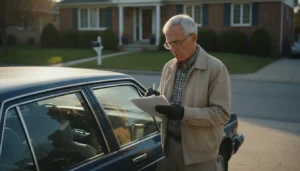
Typical triggers for a medical report include recent stroke, loss of consciousness, new diagnosis of dementia, or significant vision loss.
What doctors may be asked to report
- Diagnosis and date of onset
- Current treatment and medication that affects alertness
- Impact on driving safety and any recommended restrictions
Vision and driving
Good eyesight remains a legal requirement. The new rules emphasise self-checking and may require a professional sight test in specific cases.
If you wear glasses or contacts for driving, ensure your prescription is up to date and carry spare spectacles for regular journeys.
Practical steps to prepare now
Take these simple actions well before March 2026 to avoid last-minute issues at renewal.
- Check your driving licence expiry date and set reminders at least three months before renewal.
- Book a sight test with an optometrist and keep the record if the test flags issues.
- Talk to your GP about any new health concerns and ask for written notes that describe how the condition affects daily activities.
- Learn how to use the DVLA online services and set up an account if you do not already have one.
If you get a request for more information
Respond promptly. If the DVLA asks for medical evidence, you usually have a set time to submit it. Late replies can risk licence suspension or further checks.
If you disagree with a decision, the DVLA provides an appeals process and you can request an independent driving assessment.
Practical options if driving is limited
If medical checks lead to restrictions or a suspension, consider alternatives to maintain independence.
- Use community transport services and local senior transport schemes.
- Look into mobility taxis or arranged lifts with friends and family.
- Apply for vehicle adaptations or specialist driving lessons if recommended by an assessor.
Many local councils run free driving refresher courses for older drivers. These can improve confidence and may be useful evidence if your driving is ever reviewed.
Case study: practical example
Margaret, 72, renewed her licence in February 2026 before the new rules took effect. She booked an eye test, spoke to her GP about recent dizziness, and set up a DVLA online account.
When the DVLA introduced the new process in March, Margaret was asked for a short GP note about her dizziness. Because she had prepared, she sent the note within two weeks and kept driving with no interruption.
What to do if you disagree with a medical decision
If the DVLA imposes restrictions you disagree with, first ask for a clear explanation in writing. You can then request a review or an independent driving assessment.
Keep copies of all correspondence and medical reports. A solicitor or an advocacy service for older people can assist with an appeal if needed.
Final checklist before March 2026
- Confirm your licence expiry and register for DVLA online services.
- Get an up-to-date eyesight test and keep the record.
- Talk to your GP about any new or changing conditions and ask for notes that explain the impact on driving.
- Plan alternatives for transport in case of temporary restrictions.
Staying informed and preparing early will make the transition to the new UK driving rules for over 70s smoother. If you are unsure how the changes affect you, contact the DVLA or a local road safety advisory service for personalised guidance.