
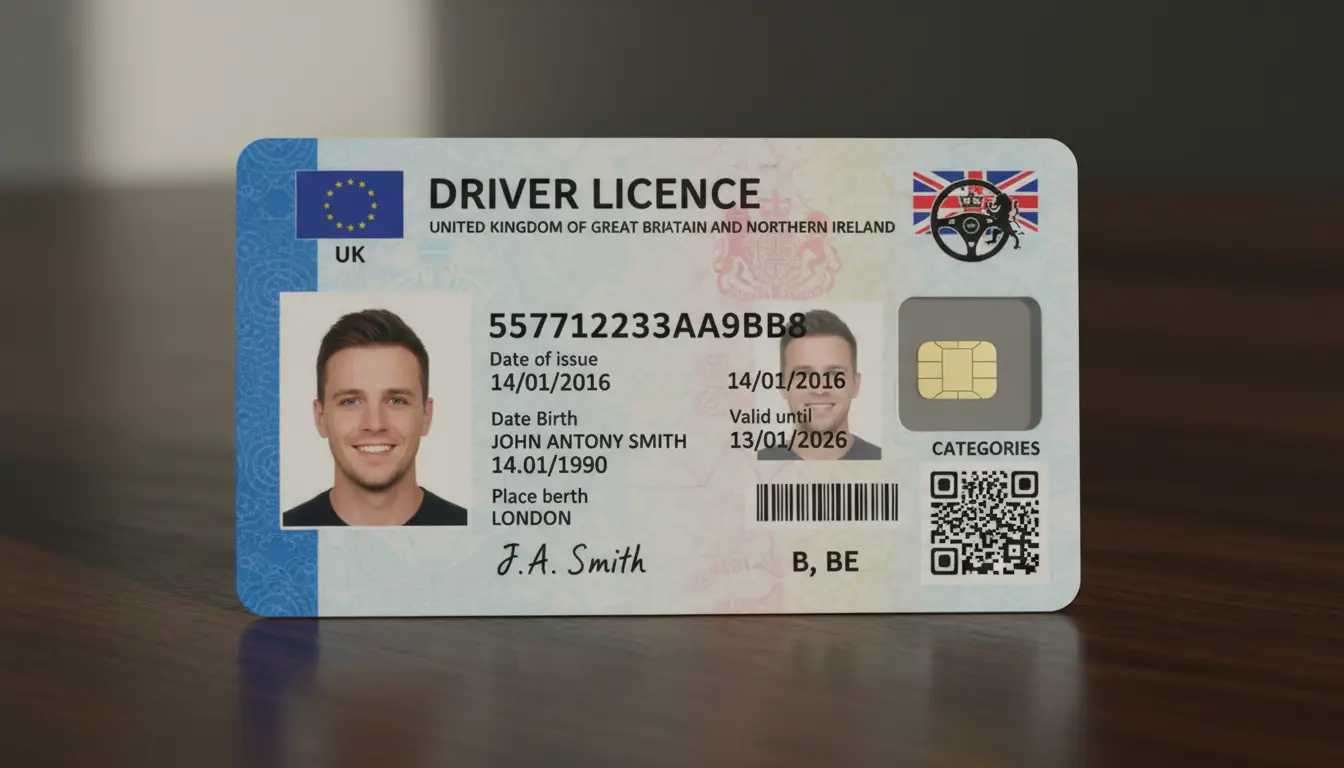
The Driver and Vehicle Licensing Agency (DVLA) has announced changes to how UK driving licences will be issued and managed starting in March 2026. This article explains the confirmed changes, who will be affected, and the practical steps drivers should take to comply.
DVLA Confirms Driving Licence Changes from March 2026: Summary
The main changes confirmed by the DVLA relate to identity verification, online renewals, and updated photocard security features. The aim is to reduce fraud, speed up processing, and improve digital services.

These changes apply to both new applicants and existing licence holders when they renew or update their details. Some changes are mandatory, and others are optional digital options.
Key changes listed by the DVLA
- New photocard security elements to make licences harder to counterfeit.
- Enhanced online identity checks linked to digital ID providers.
- Faster online renewal for non-medical licence updates.
- Updated documentation rules for name and address changes.
- Phased removal of paper counterparts (where applicable) and clearer digital records.
Who Is Affected by the DVLA Changes?
All UK driving licence holders are potentially affected, but the impact varies by circumstance. Drivers renewing licences, changing names, or applying for first or provisional licences will see the most immediate changes.
Those with medical conditions requiring more frequent checks, and commercial drivers, should expect extra administrative steps for medical verification under the new system.
Examples of affected groups
- New drivers applying for provisional licences.
- Drivers renewing photocard licences online.
- Individuals changing name or address on the licence.
- Holders of vocational (HGV/PCV) licences with medical requirements.
How the New Identity Checks Work

The DVLA will expand use of secure digital ID checks during online applications. Applicants may be asked to complete a verification step with approved providers using a passport, biometric check, or verified identity account.
This reduces the need to post original documents. It also lowers fraud risk because identity is checked in real time against certified databases.
What you will need for identity verification
- A valid passport or UK biometric document (if asked).
- Access to a smartphone or device for some digital checks.
- Proof of address if changing address (bank statement, utility bill recent within defined period).
Steps to Prepare Before March 2026
Preparing early will make renewals and updates smoother. Review your current licence details and gather key documents now to avoid delays when the new system goes live.
Follow these practical steps to prepare:
- Check your photocard expiry date and plan renewal in advance.
- Scan or photograph your passport and proof of address and store them securely.
- Create or update a verified digital ID if you plan to use online services.
- For medical drivers, speak to your GP early to ensure reports are ready.
Renewal Process Changes Explained
Renewals for standard licences will be quicker for those who pass identity checks online. The DVLA aims to reduce paper mail and increase same-day or multi-day processing for verified applications.
If the DVLA needs medical reports or further checks, the renewal timeline will still depend on third-party responses such as doctors or employers.
Online renewal: a typical flow
- Start application on GOV.UK and enter driving licence details.
- Complete identity verification with an approved provider.
- Upload or link supporting documents if requested.
- Pay the fee and receive confirmation with estimated delivery.
The DVLA first introduced photocard licences in 1998. The 2026 update focuses on digital identity and stronger photocard security to match modern fraud risks.
Practical Tips and Common Questions
If you need to change your name, the DVLA will accept digital verification for most cases but may still require certificates for some changes. Keep marriage or deed poll certificates ready as a backup.
If you do not want to use digital ID, paper options will remain for a transitional period, but processing could take longer.
Common troubleshooting tips
- Unable to verify identity online: contact the DVLA for alternative verification routes.
- Missing documents: collect certified copies or originals before beginning the application.
- Medical delays: request an estimated processing time from your GP to plan renewals early.
Small Real-World Case Study
Case: Sarah, a 42-year-old driver, renewed her photocard in April 2026 using the new system. She had updated her passport photo earlier and set up a verified digital ID.
Result: Sarah completed the renewal in one session, had her identity verified within minutes, and received a replacement photocard within five working days. Her experience shows how preparation speeds up processing under the new rules.
Final Checklist Before You Apply
- Check licence expiry and plan at least 4–6 weeks in advance for renewals.
- Prepare a digital copy of your passport and proof of address.
- Set up an approved digital ID if you prefer online verification.
- Contact your GP early if you have a medical condition affecting your entitlement.
By understanding the DVLA changes confirmed for March 2026 and preparing the necessary documents, drivers can reduce delays and ensure a smooth transition to the updated system. Keep an eye on official DVLA guidance and GOV.UK updates for any further refinements before the changes take effect.