
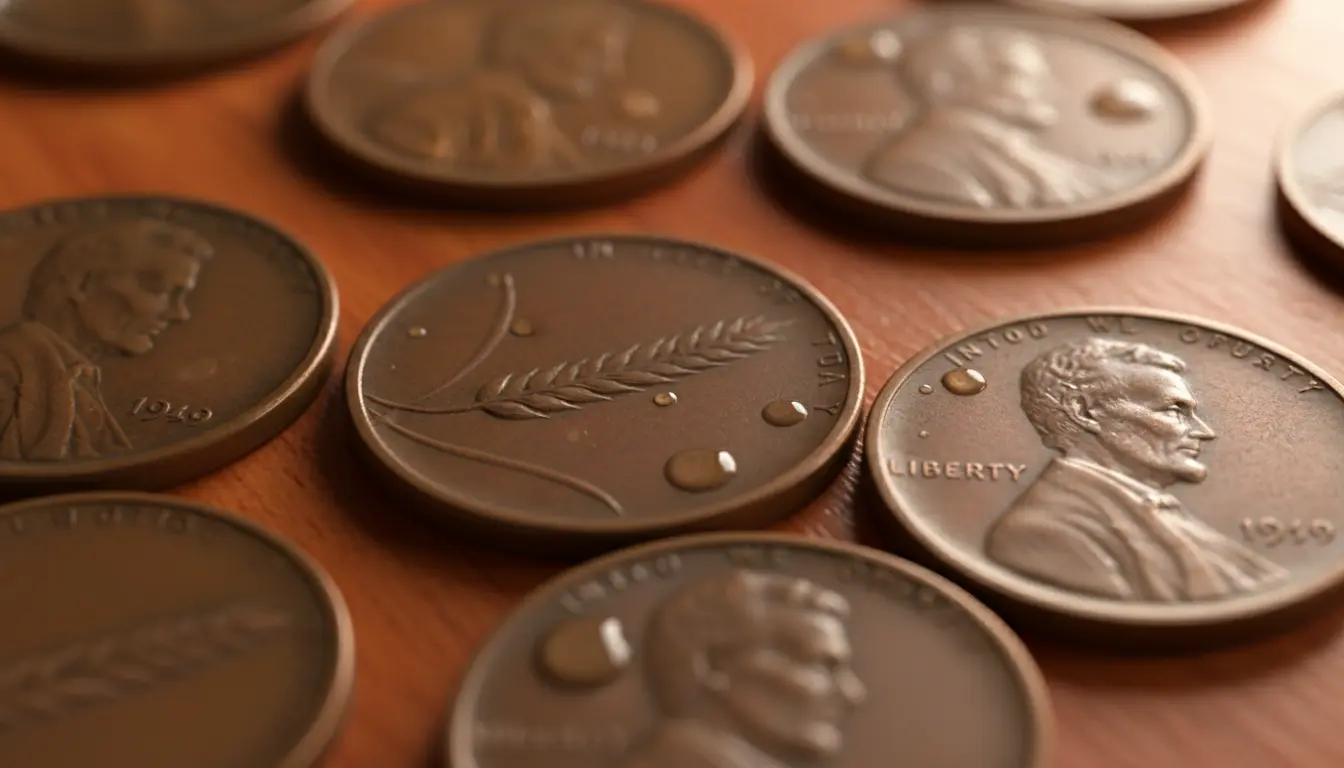
The wheat penny era ran from 1909 to 1958 and remains a favorite for collectors and casual finders. This guide explains Wheat Penny Value 2026: common price ranges, key dates, and features that raise value.
Wheat Penny Value Guide 2026 Overview
Most wheat pennies found in circulation have modest value, but specific dates, mint marks, and errors can be worth much more. Values depend heavily on condition, rarity, and market demand in 2026.
Common Price Ranges for Wheat Penny Value

Use these broad ranges as a starting point. Exact prices vary by grade and auction conditions.
- Common circulated dates: $0.02 to $0.50 each.
- Uncirculated common dates (MS60–MS63): $1 to $20.
- High-grade uncirculated (MS64+): $20 to $200 or more for premium toning and strike.
- Key dates and major errors: from hundreds to six-figure results for the rarest pieces.
Key Dates and Wheat Penny Value
Certain years and varieties are consistently in demand. Below are the most watched types with general guidance on their value drivers.
1909 VDB and 1909-S VDB
1909 saw the first Lincoln cents; designer initials VDB appear on the reverse of some 1909 coins. The 1909-S VDB is rare, especially in higher grades, making it a top key date to watch.
1914-D and Other Early Denver Issues

1914-D is scarce compared to typical run-of-the-mill dates and commands strong prices in good condition. Early Denver (D) strikes can add premium value.
1922 No D (Dee) Variety
Some 1922 Denver cents were struck with dies that lost the mint mark, producing the 1922 “No D” variety. Well-struck examples are desirable and can be valuable.
1943 Copper and 1943 Steel
Most 1943 cents were struck in zinc-coated steel. A small number were minted on copper planchets by error; those copper 1943 cents are extremely rare and can fetch very high prices if authenticated.
1955 Doubled Die Obverse

The 1955 doubled die obverse produces noticeable doubling on the date and lettering. Collectors prize this error, with value depending on the strength of the doubling and the coin’s grade.
What to Look For When Determining Wheat Penny Value
Careful inspection reveals the difference between a common cent and one worth a collector’s premium. Use a magnifier and good light when examining coins.
- Mint mark location and clarity (D, S, or none).
- Date legibility and doubling on letters or numerals.
- Planchet type (copper vs. steel for 1943).
- Surface condition: wear, scratches, cleaning marks, and corrosion.
- Toning and luster — attractive natural toning can increase value.
- Error types: doubled dies, repunched mint marks, clipped planchets, and die breaks.
How Grading Affects Wheat Penny Value
Grading ranges from Good (G) to Mint State (MS). Higher grades reflect less wear and command exponentially higher prices for important dates.
Professional grading by services like PCGS or NGC can give buyers confidence and usually increases liquidity at auction. However, grading costs should be weighed against the coin’s expected value.
How to Get a Reliable Price for Your Wheat Penny
Follow simple steps to move from a rough idea to a reliable estimate of wheat penny value.
- Identify date and mint mark, then compare to up-to-date price guides like PCGS and the Red Book.
- Assess condition carefully or get a second opinion from a dealer or online community.
- Consider professional authentication for suspected key dates or errors before sale.
- Check recent auction results for similar grades to see what buyers actually paid.
Wheat penny designs were produced from 1909 through 1958, and the reverse features two wheat stalks framing the denomination — which is how the coins got their nickname.
Real-World Example
Case study: A collector bought a mixed roll of pennies at a yard sale and found a 1955 doubled die obverse. After authentication and grading at a reputable service, the coin sold at auction for several thousand dollars, illustrating how a single error can transform a small purchase into a significant return.
Practical Tips When Buying or Selling
Whether you are a buyer or seller, follow these practical tips to protect value and avoid common pitfalls.
- Buy from reputable dealers or use auction houses with guarantees.
- Keep coins in inert holders; avoid PVC-containing flips that damage surfaces.
- Document provenance and grading reports when selling key items.
- Use recent, multiple price references to set expectations.
Final Thoughts on Wheat Penny Value 2026
Most wheat pennies are inexpensive, but key dates and striking errors remain valuable and collectible in 2026. Learn to spot important features and seek expert authentication for potentially valuable finds.
With careful inspection and reliable grading, you can turn a casual find into an informed sale or an important addition to a collection.