
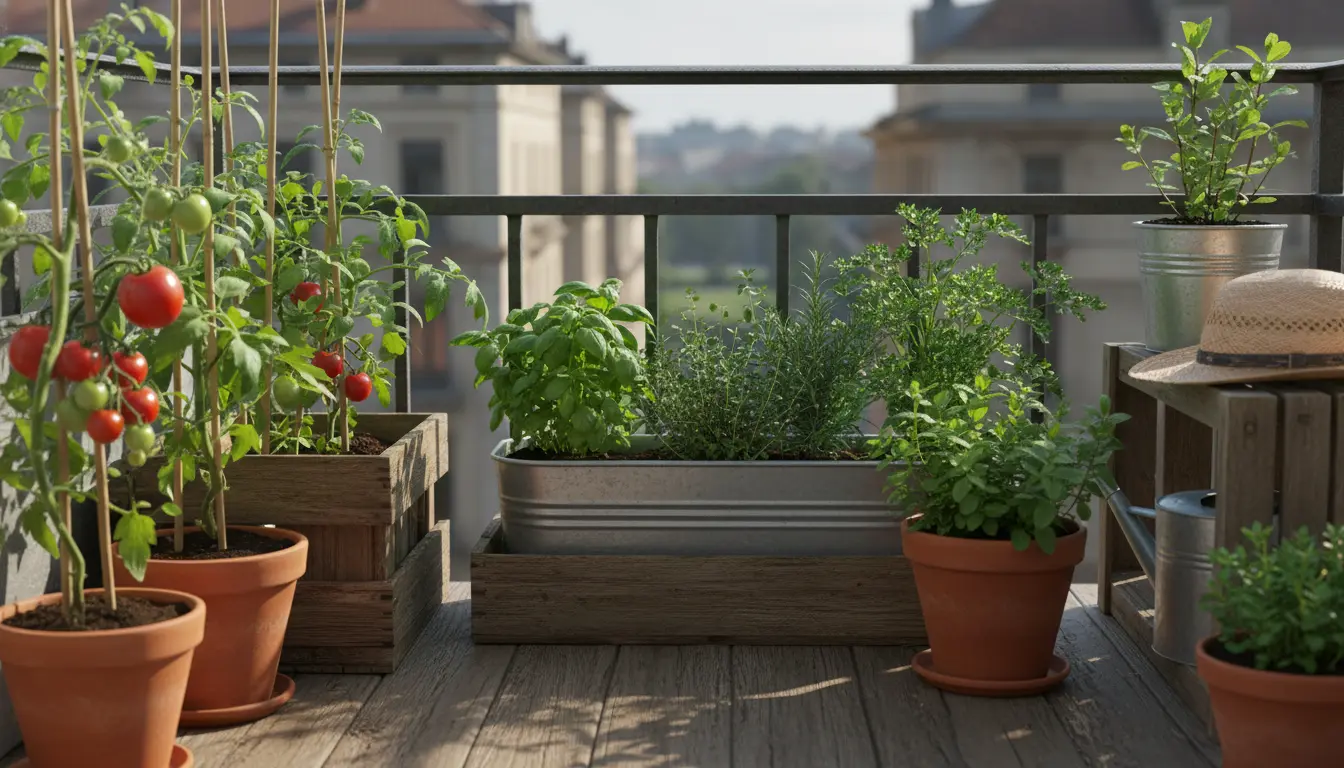
Start Container Gardening with a Simple Plan
Container gardening is a practical way to grow food and ornamental plants when you have limited space. It works on balconies, patios, windowsills, and small yards.
This guide shows clear steps for beginners to set up containers, pick plants, and maintain healthy growth with minimal fuss.
Choose the Right Containers for Container Gardening

Containers should match the plants you want to grow. Deeper pots are best for vegetables with roots, while shallow trays work for herbs and salad greens.
Material matters: terracotta breathes well but dries faster, plastic holds moisture longer, and fabric pots encourage root air pruning.
Container Size Guidelines
- Herbs and salad greens: 6–12 inch pots
- Tomatoes, peppers, bush beans: 12–20 inch pots
- Small fruit trees or large vegetable varieties: 20+ inch containers
Pick the Right Soil Mix for Container Gardening
Use a high-quality potting mix designed for containers rather than garden soil. Potting mixes are lighter and drain better, which prevents root rot.

Look for mixes with peat alternatives, compost, and perlite or vermiculite. Avoid heavy garden loam that compacts in pots.
Select Plants Suitable for Container Gardening
Not all plants thrive in containers, but many vegetables, herbs, and ornamentals do very well. Start with varieties labeled compact, bush, patio, or container-friendly.
Good beginner plants include:
- Tomatoes (determinate or patio types)
- Peppers
- Lettuce, spinach, arugula
- Basil, parsley, chives
- Strawberries (everbearing types)
Sunlight and Placement for Container Gardening

Most vegetables need 6–8 hours of direct sunlight. Observe your space for a few days to find the sunniest spots.
If sunlight is limited, choose leafy greens and herbs that tolerate partial shade. Rotate pots periodically to ensure even growth.
Watering Basics for Container Gardening
Containers dry out faster than ground soil. Water deeply until water flows from drainage holes, then allow top inch or two to dry depending on the plant.
Use a moisture meter or finger test to check soil moisture. In hot weather, daily watering may be necessary for small pots.
Watering Tips
- Morning watering reduces evaporation and disease risk.
- Consider self-watering containers or drip irrigation for consistent moisture.
- Mulch the surface with pine bark or straw in large pots to slow evaporation.
Fertilizing in Container Gardening
Container plants have limited soil and need regular feeding. Use a balanced liquid fertilizer every 1–2 weeks or a slow-release granular fertilizer at planting.
Follow label rates; over-fertilizing can burn roots and reduce fruiting. Organic options like compost tea or fish emulsion work well for edibles.
Common Problems and Solutions in Container Gardening
Pests, disease, and nutrient deficiencies can affect container plants. Regular inspection helps catch issues early.
- Yellow leaves: check watering and nutrient levels.
- Wilting: inspect roots for rot or pests, adjust watering.
- Aphids or whiteflies: use insecticidal soap or introduce beneficial insects.
Seasonal Care and Rotation for Container Gardening
Replace spent plants and refresh potting mix between seasons. Rotate plant types to reduce pest buildup and maintain soil health.
In colder climates, bring sensitive containers indoors or insulate pots to protect roots from freezing.
Many compact tomato varieties were bred specifically for containers and can produce full crops in a single 12–15 inch pot.
Tools and Supplies Checklist for Container Gardening
Having a few basic tools makes container gardening easier and more effective.
- Quality potting mix
- Appropriate containers with drainage
- Hand trowel and pruners
- Liquid or slow-release fertilizer
- Watering can or drip system
Example Planting Plan
For a small balcony, try this simple combination: one 15-inch pot with a determinate tomato, two 8–10 inch pots with basil and parsley, and a shallow trough for lettuce.
This mix provides fresh salad ingredients and herbs within a few feet of your kitchen.
Case Study: Anna’s Balcony Tomatoes
Anna started container gardening on a 6-foot balcony with two 15-inch fabric pots and a dozen herb pots. She chose a determinate patio tomato and two pepper plants.
By using potting mix, regular feeding, and morning watering, she harvested tomatoes for three months. The fabric pots improved root health and reduced transplant shock.
Her key takeaways were: choose the right pot size, monitor moisture daily in hot weather, and prune a few lower leaves to boost airflow.
Final Checklist Before You Start Container Gardening
- Pick suitable containers and check drainage.
- Choose container-friendly plant varieties.
- Use high-quality potting mix and a feeding schedule.
- Establish a regular watering routine and inspect plants weekly.
With the right containers, soil, and simple care, container gardening is accessible to any beginner. Start small, learn from each season, and expand as you gain confidence.