
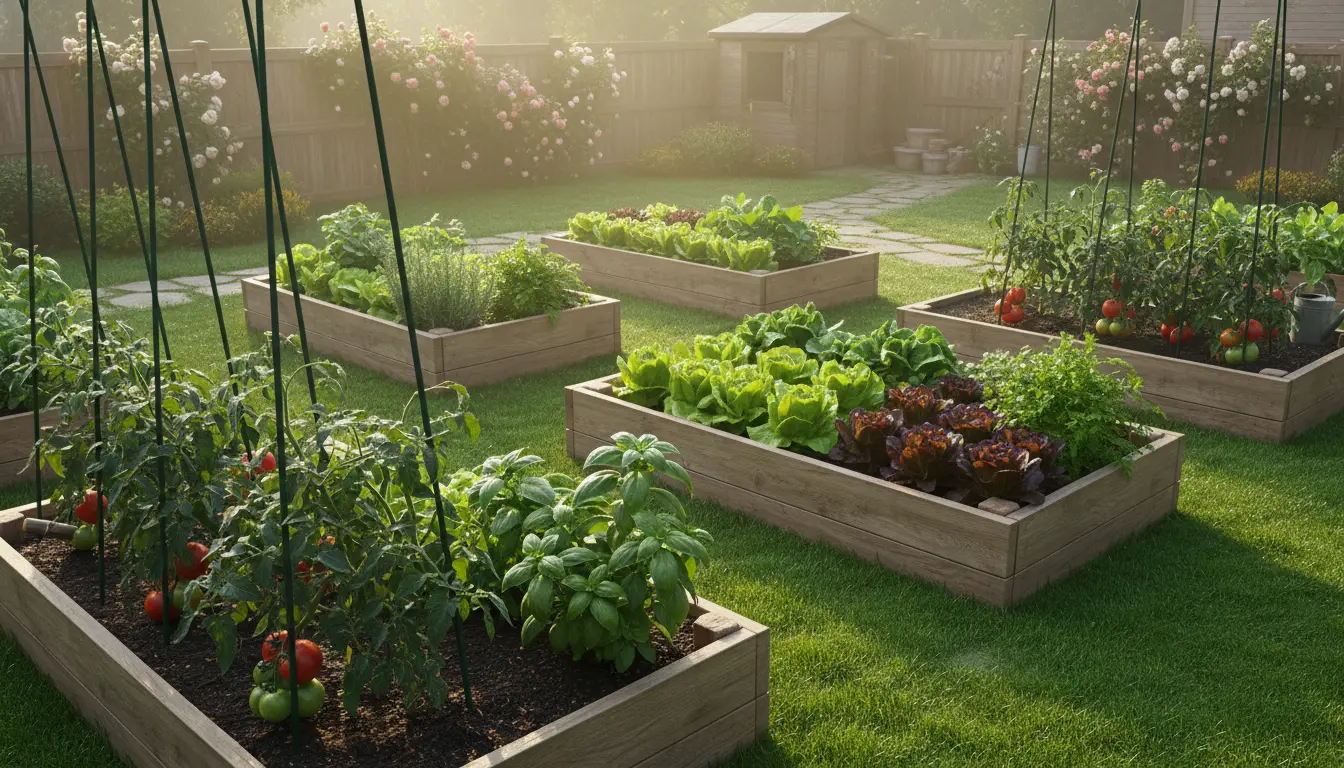
How to Start a Vegetable Garden: Plan Your Space
Begin by choosing a site with at least 6 hours of direct sunlight each day. Most vegetables need full sun to produce well, so observe light patterns before you plant.
Decide on garden type: in-ground beds, raised beds, or containers. Each option changes soil needs, drainage, and maintenance.
How to Start a Vegetable Garden: Choose the Right Layout

Measure the area and sketch a simple layout on paper or a phone app. Leave 2 to 3 feet between beds or rows for easy access and maintenance.
Consider proximity to water and the kitchen for convenience. Group plants by water and sunlight needs to simplify care.
How to Start a Vegetable Garden: Choose Plants
Choose vegetables that match your climate and season. Start with easy, reliable crops like lettuce, radishes, tomatoes, beans, and herbs.

Check your USDA hardiness zone or local extension recommendations. Aim for varieties marked “beginner friendly” or “disease resistant.”
Plant Selection Tips
- Start small: 4–6 types of vegetables is easier than dozens.
- Succession plant: stagger plantings every 2–3 weeks for a steady harvest.
- Companion planting: pair compatible plants to deter pests and boost growth.
How to Start a Vegetable Garden: Prepare Soil
Good soil is the most important factor for success. Aim for loose, well-draining soil rich in organic matter.
Test soil pH with a kit or send a sample to your local extension for recommendations. Most vegetables prefer pH 6.0 to 7.0.
Soil Improvement Steps
- Add 2–4 inches of compost to improve structure and nutrients.
- Mix in aged manure or balanced organic fertilizer if needed.
- Mulch after planting to retain moisture and suppress weeds.
How to Start a Vegetable Garden: Planting and Spacing

Follow seed packet or plant tag spacing to avoid overcrowding. Proper spacing improves air flow and reduces disease risk.
Plant deeper or shallower as recommended for each species. Water gently after planting to settle soil around roots.
Timing and Techniques
- Sow cool-season crops (lettuce, peas) early in spring or fall.
- Plant warm-season crops (tomatoes, peppers) after the last frost date.
- Use row covers for early protection against pests and cold.
How to Start a Vegetable Garden: Watering and Maintenance
Water deeply and less often to encourage strong root growth. Aim for 1–1.5 inches per week, adjusting for heat and rain.
Use drip irrigation or soaker hoses to minimize leaf wetness and conserve water. Check soil moisture regularly and avoid letting soil dry out completely.
Pest and Disease Management
Inspect plants weekly for insect damage and signs of disease. Remove affected leaves early and use nonchemical controls first, such as hand-picking or insecticidal soap.
Rotate crops each year to reduce soil-borne diseases. Keep garden clean by removing weeds and spent plants at season end.
Succession planting of lettuce every two weeks can extend your harvest period by months and provide continuous fresh greens.
How to Start a Vegetable Garden: Harvest and Storage
Harvest regularly to encourage more production, picking vegetables at peak maturity. Use crisp lettuce and tomatoes promptly for best flavor.
Store crops correctly: cool root vegetables in a cool, dark place and keep leafy greens refrigerated. Preserve surplus by freezing, canning, or drying.
Small Real-World Example
Case study: A small urban gardener in Austin converted two 4×8 raised beds and a few containers into a productive plot. She planted tomatoes, basil, lettuce, and bush beans over a 150-square-foot balcony space.
By using compost, drip watering, and succession planting, she harvested fresh salad greens for six months and saved roughly $300 on groceries that season. Regular maintenance reduced pest problems and improved yields each month.
Final Checklist: How to Start a Vegetable Garden
- Choose a sunny site and decide on bed type.
- Select beginner-friendly plants for your climate.
- Test and amend soil with compost and organic matter.
- Plant with correct spacing and water deeply.
- Monitor for pests, rotate crops, and harvest regularly.
Starting a vegetable garden is a step-by-step process that rewards planning and simple care. With the right site, soil, and crop choices, even a small space can produce a steady supply of fresh vegetables.