
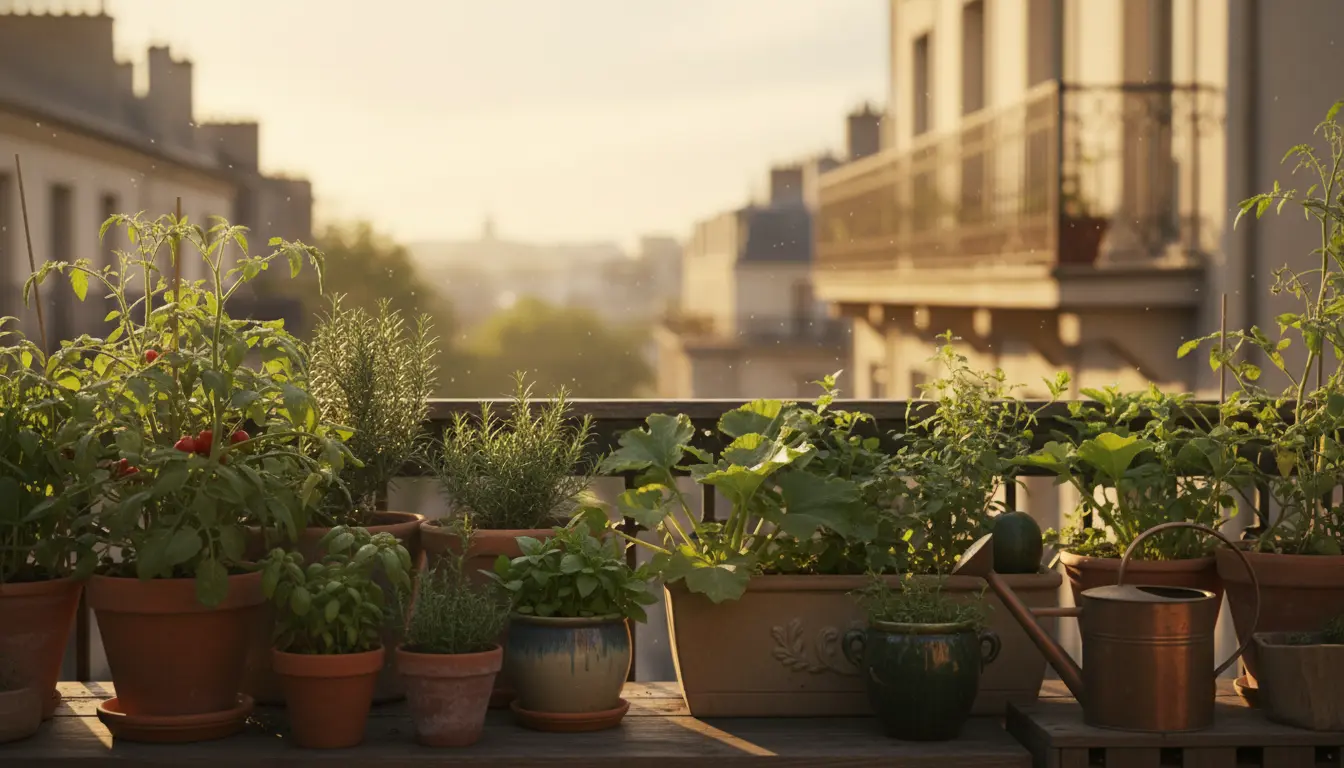
Starting a kitchen garden at home is a practical way to grow fresh vegetables and herbs with limited space. This guide gives clear, step-by-step instructions to plan, plant, and maintain a productive kitchen garden.
Why Start a Kitchen Garden
A kitchen garden brings fresh flavors to your meals and reduces grocery trips. It also teaches seasonal care and can be adapted to balconies, patios, or small backyards.
How to Start a Kitchen Garden: Site and Light

Choose a location that receives at least 4–6 hours of direct sunlight daily for most vegetables. South-facing balconies or windows work best in temperate climates.
If sunlight is limited, focus on leafy greens and herbs that tolerate partial shade. Observe the site for a few days to confirm light patterns before planting.
Indoor vs Outdoor Kitchen Garden
Indoor gardens need bright windows or grow lights and controlled watering. Outdoor containers face weather and pests but often yield larger plants.
How to Start a Kitchen Garden: Containers and Soil

Select containers with drainage holes to prevent waterlogging. Use pots sized to plant type: 12-inch pots for tomatoes and deeper containers for root vegetables.
Use a high-quality potting mix, not garden soil. Potting mixes are lighter and drain well, which is essential for container-grown vegetables.
- Choose a potting mix labeled for vegetables or herbs.
- Mix in compost or slow-release organic fertilizer for nutrients.
- Consider coconut coir or peat alternatives for water retention.
How to Start a Kitchen Garden: Choosing Plants
Begin with easy, fast-growing crops to build confidence. Herbs, lettuce, radishes, and cherry tomatoes are forgiving for beginners.

Match plants to your climate and season. Cool-season crops include spinach and peas, while warm-season crops include peppers and basil.
Starter Plant List for a Small Kitchen Garden
- Herbs: Basil, parsley, cilantro, chives
- Leafy greens: Lettuce, spinach, arugula
- Quick vegetables: Radishes, baby carrots
- Fruiting: Cherry tomatoes, dwarf peppers
How to Start a Kitchen Garden: Planting and Spacing
Follow seed packet or plant label spacing for container gardens. Crowding reduces airflow and increases disease risk.
Use companion planting to improve growth—plant basil near tomatoes to enhance flavor and repel pests.
How to Start a Kitchen Garden: Watering and Feeding
Develop a consistent watering routine. Container gardens dry out faster than beds and often need daily checks in warm weather.
Water deeply until it runs from drainage holes, then allow the top inch of soil to dry. Overwatering causes root rot, while underwatering stresses plants and reduces yield.
- Use a liquid fertilizer every 2–4 weeks during the growing season.
- Apply slow-release granular fertilizer at planting time for steady nutrients.
- Mulch the soil surface with compost or straw to retain moisture.
How to Start a Kitchen Garden: Pest and Disease Management
Inspect plants regularly for pests and signs of disease. Early detection makes control easier and avoids major loss.
Use these practical control methods:
- Handpick larger pests like caterpillars and beetles.
- Use insecticidal soap or neem oil for aphids and mites.
- Rotate crops in containers or replace the potting mix yearly to reduce soil-borne problems.
Organic Preventive Measures
Encourage beneficial insects with flowering herbs and avoid broad-spectrum pesticides. Clean and sanitize pruning tools to prevent disease spread.
How to Start a Kitchen Garden: Seasonal Care and Harvesting
Adjust plant choices with the seasons and follow a simple care calendar. Plant cool-season crops in early spring and fall, and warm-season crops after the last frost.
Harvest frequently to encourage more growth. Pick herbs young for best flavor and remove mature leaves from leafy greens to promote regrowth.
Simple Calendar Example
- Spring: Start seeds indoors, transplant seedlings, plant peas and lettuce.
- Summer: Focus on watering, fertilizing, and harvesting tomatoes and herbs.
- Fall: Plant cool-season greens and clear spent summer crops.
Many common herbs like basil and chives are perennials in warmer climates and can produce for multiple seasons with proper care.
Small Case Study: A Balcony Kitchen Garden
Case: Maria, a city renter with a south-facing balcony, started a kitchen garden in four large pots. She chose basil, cherry tomatoes, lettuce, and a dwarf pepper.
By using a quality potting mix and watering every other day, she harvested daily herbs and weekly salad greens. After three months she reported better-tasting meals and saved money on groceries.
Common Mistakes and Quick Fixes
- Overwatering — let soil partially dry and check drainage.
- Choosing large plants for small pots — transplant to larger containers or swap varieties.
- Ignoring light needs — move containers to brighter spots or use a grow light.
Final Tips to Start a Kitchen Garden
Start small and expand as you learn what works for your space and climate. Keep a simple log of planting dates, varieties, and harvests to improve year to year.
With regular care and small adjustments, a kitchen garden becomes a reliable source of fresh produce and an enjoyable, low-cost hobby.
Ready to start? Choose two or three easy plants, secure good containers and potting mix, and plan a weekly care routine. Your kitchen garden will grow from there.