
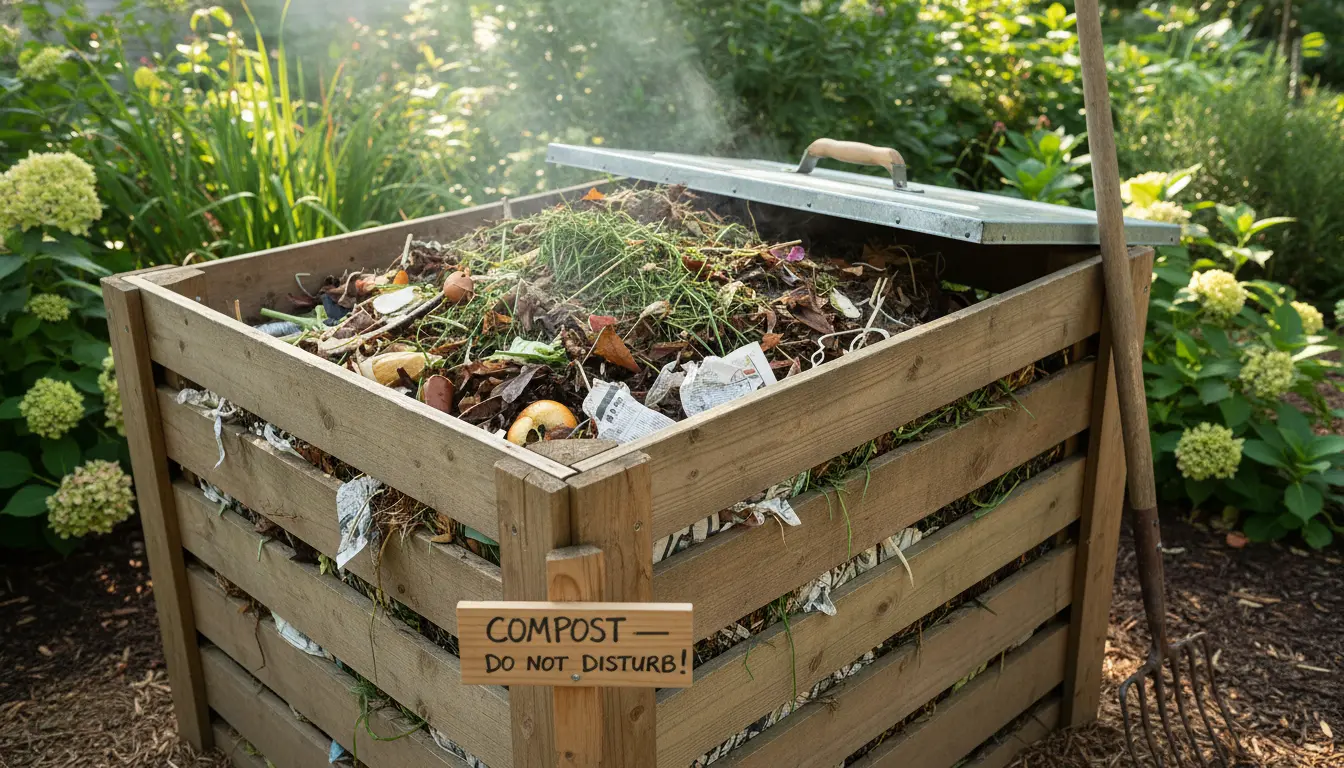
What Is Home Composting for Beginners
Home composting is the process of turning kitchen scraps and yard waste into nutrient-rich soil conditioner. It reduces trash, cuts methane emissions from landfills, and improves garden soil.
This guide explains clear, practical steps for beginners to start composting at home and maintain a healthy compost pile or bin.
Why Home Composting for Beginners Works

Composting relies on microorganisms that break down organic matter into humus. When you provide the right mix of materials, moisture, oxygen, and time, decomposition happens naturally.
Beginners can succeed by following simple rules that balance ‘greens’ (nitrogen-rich) and ‘browns’ (carbon-rich) inputs and by keeping the pile aerated and moist.
Key Benefits
- Reduces household waste and landfill fees.
- Improves soil structure, drainage, and nutrient content.
- Saves money on commercial soil amendments and fertilizers.
How to Start Home Composting for Beginners
Starting is easier than it looks. Choose a method that fits your space, gather the right materials, and follow a simple maintenance routine.
Choose a Composting System

Options vary by space and effort. Select one of these systems to begin:
- Open pile: Good for larger yards, low cost, requires turning.
- Compost bin: Neat and contained, suitable for small yards and patios.
- Tumbler: Quick mixing and faster heat-up, low turning effort.
- Vermicompost (worm bin): Best for indoor or small-space composting using worms.
Gather Materials
Balance ‘greens’ and ‘browns’ for efficient decomposition. Aim for roughly a 2:1 to 1:2 ratio by volume of browns to greens.
- Greens (nitrogen): fruit and vegetable scraps, coffee grounds, fresh grass clippings.
- Browns (carbon): dried leaves, shredded paper, cardboard, straw.
Set Up the Bin
Place your bin on soil or well-draining ground to allow worms and microorganisms to migrate into the pile. Add a base layer of coarse browns to aid airflow.

Alternate layers of greens and browns, and keep the pile about 3 feet wide and tall if possible for better heat retention.
Maintenance Tips for Home Composting for Beginners
Simple maintenance keeps the process moving. Monitor moisture, turn the pile, and add the right inputs when necessary.
Moisture and Aeration
The pile should feel like a wrung-out sponge: damp but not soggy. If it’s too dry, add water or greens. If it’s too wet or smells, add browns and increase turning.
Turn the compost every 1–2 weeks for faster results; tumblers make this step easier.
What to Avoid
- No meat, dairy, or oily foods in typical backyard composts—these attract pests.
- Avoid diseased plant material and invasive weeds that may survive and spread.
- Do not add pet waste or treated wood products.
Troubleshooting Common Problems
Beginners often run into small issues that are easy to fix with simple adjustments. Use this quick checklist:
- Smelly pile: Add more browns and aerate.
- Pile too dry: Add water and more greens.
- Slow decomposition: Chop materials, increase moisture, and turn more often.
- Fruit flies: Bury food scraps deeper or cover with browns.
Compost can reduce household waste by up to 30% and return valuable nutrients to your garden, including nitrogen, phosphorus, and potassium.
When Is Compost Ready
Finished compost is dark, crumbly, and earthy-smelling. Most backyard systems produce usable compost in 3–9 months depending on method and conditions.
Screen or sift the compost to remove larger pieces; return those pieces to the next batch to finish breaking down.
Using Your Compost
Use finished compost as a top-dress, soil amendment, or potting mix ingredient. Apply a 1–2 inch layer to garden beds or mix into planting soil for new beds.
Compost improves water retention in sandy soils and drainage in clay soils while feeding plants slowly and safely.
Small Real-World Example
Case Study: A small urban household began composting in a 50-gallon bin. They collected kitchen scraps and dry leaves for six months and turned the bin every two weeks. After four months they had enough compost to top-dress five container plants and one small raised bed. Their weekly trash volume dropped noticeably, and the plants showed improved vigor the following season.
Quick Checklist to Start Home Composting for Beginners
- Choose a bin or system that fits your space.
- Collect greens and browns separately.
- Layer, moisten, and aerate regularly.
- Monitor and troubleshoot odors, moisture, and pests.
- Harvest and use finished compost in your garden.
Final Advice
Start small, be patient, and adjust based on observation. Composting is forgiving; small mistakes can be corrected quickly with a bit of extra brown material or turning.
With consistent care, home composting becomes a simple, rewarding routine that benefits your garden and the environment.