
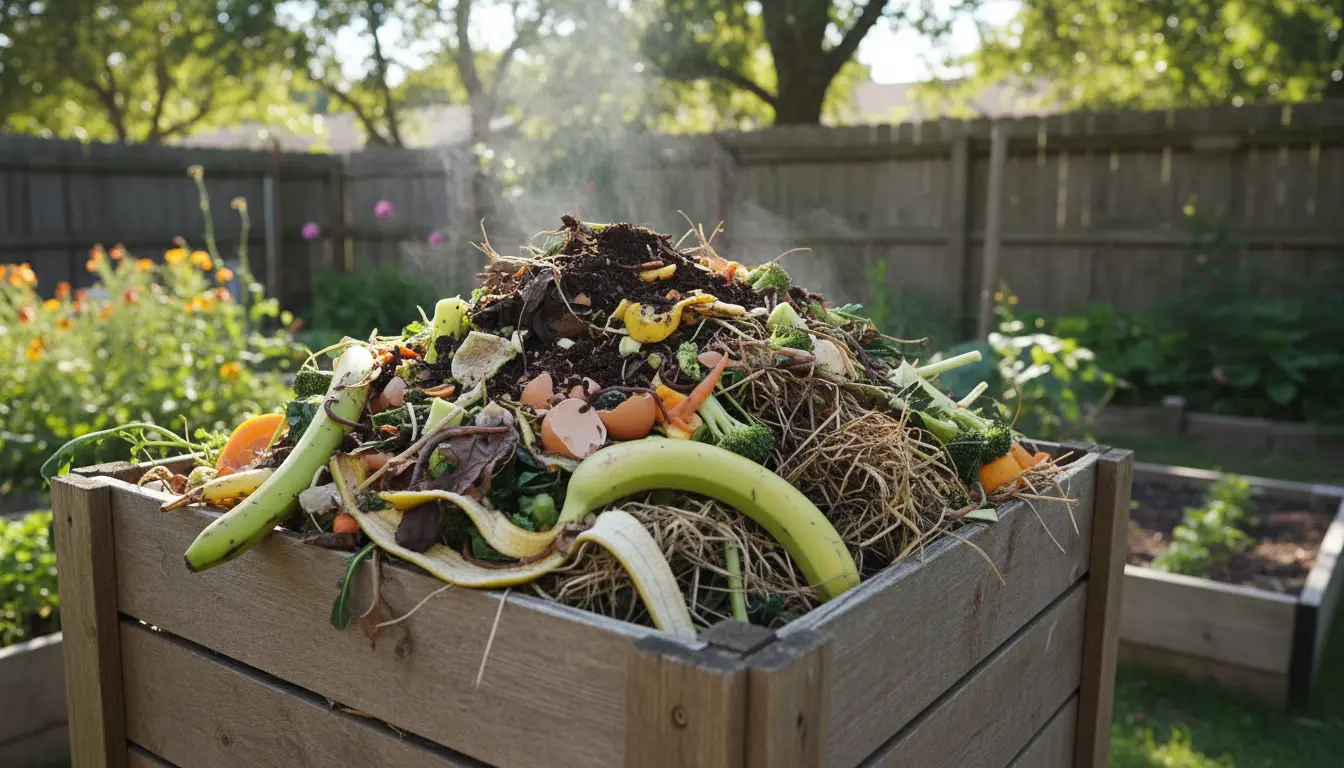
What Is Home Composting for Beginners
Home composting is the process of turning kitchen scraps and yard waste into nutrient-rich soil amendment. For beginners, it is a practical way to reduce waste, improve soil, and save money on fertilizers.
This guide explains simple methods, materials to use, and common issues you will face when starting home composting.
Why Start Home Composting

Composting reduces the amount of organic waste sent to landfills and lowers methane emissions. It also returns nutrients to your garden and improves soil structure for healthier plants.
Beginners can start with minimal tools and space, even on a balcony or small yard.
How to Start Home Composting
Follow these basic steps to set up a reliable home composting system. Keep each step manageable and adjust as you learn what works in your space.
1. Choose a Composting Method

Pick a method that matches your lifestyle and space. Common options include backyard bins, tumblers, and vermicomposting (worms).
- Backyard bin: Simple and low-cost, good for yards.
- Tumbler: Faster mixing and less effort to turn materials.
- Vermicompost: Best for apartments and indoor spaces using worms.
2. Select a Location
Place your compost bin on level ground with good drainage. A partly shaded spot keeps moisture steady and prevents overheating in summer.
For balconies, use a worm bin or closed container to control odor and pests.
3. Gather Materials: Browns and Greens

Compost needs a balance of carbon-rich ‘browns’ and nitrogen-rich ‘greens’. Aim for roughly 3 parts browns to 1 part greens by volume.
- Greens: fruit and vegetable scraps, coffee grounds, fresh grass clippings.
- Browns: dry leaves, shredded paper, straw, cardboard.
Chop larger items to speed decomposition and maintain airflow in the pile.
4. Build and Maintain the Pile
Start with a layer of coarse browns to help drainage. Alternate layers of greens and browns, keeping the pile moist like a wrung-out sponge.
Turn the pile every 1–2 weeks for faster composting and to aerate materials. Tumblers simplify this step by allowing you to rotate the contents.
Troubleshooting Common Problems in Home Composting
Some issues are common for beginners. Identify the cause and adjust moisture, carbon balance, or aeration.
Bad Odor
Smelly compost usually means too many greens or poor aeration. Add more browns and turn the pile to introduce oxygen.
Slow Decomposition
Cold piles or large, intact pieces decompose slowly. Chop materials, increase turning, and ensure the pile stays warm and moist.
Pests and Fruit Flies
Use a covered bin, bury food scraps in the pile, and avoid adding meat or dairy. For flies, dry the top layer or add more browns to reduce moisture at the surface.
What Finished Compost Looks Like
Mature compost is dark brown, crumbly, and earthy-smelling. It no longer resembles the original materials and breaks apart easily in your hands.
Screen it to remove large pieces and return them to the pile for further decomposition.
Using Home Compost
Apply finished compost to garden beds, mix into potting soil, or use as mulch around trees and shrubs. Compost improves water retention and supplies slow-release nutrients.
- Top dressing: Spread a 1–2 inch layer around plants.
- Soil amendment: Mix 10–20% compost into garden soil when planting.
- Seed starting: Use a blend of compost and sterile potting mix for seedlings.
Small Real-World Example
Case study: A two-person household in a rowhouse started a 60-liter worm bin for kitchen scraps and a small outdoor bin for yard waste. In six months they reduced weekly trash by half and produced about 20 liters of compost usable for houseplants and balcony pots.
Their key changes were shredding browns, keeping the worm bin out of direct sun, and freezing citrus peels before adding to the bin to reduce pests.
Composting diverts organic waste from landfills where it can produce methane. Home composting and municipal composting systems help cut greenhouse gas emissions and recycle nutrients locally.
Quick Checklist for Home Composting for Beginners
- Choose a method: bin, tumbler, or worm compost
- Balance browns and greens (approx 3:1)
- Keep moisture level like a wrung-out sponge
- Turn the pile regularly for oxygen
- Use finished compost in garden beds and pots
Final Tips for Success
Start small and learn by doing. Record what you add and how the pile reacts over a few weeks to find the right balance for your climate and materials.
Composting is flexible: adapt methods to suit limited space, time, and household produce. With a bit of attention, beginners can create healthy compost in months, not years.