
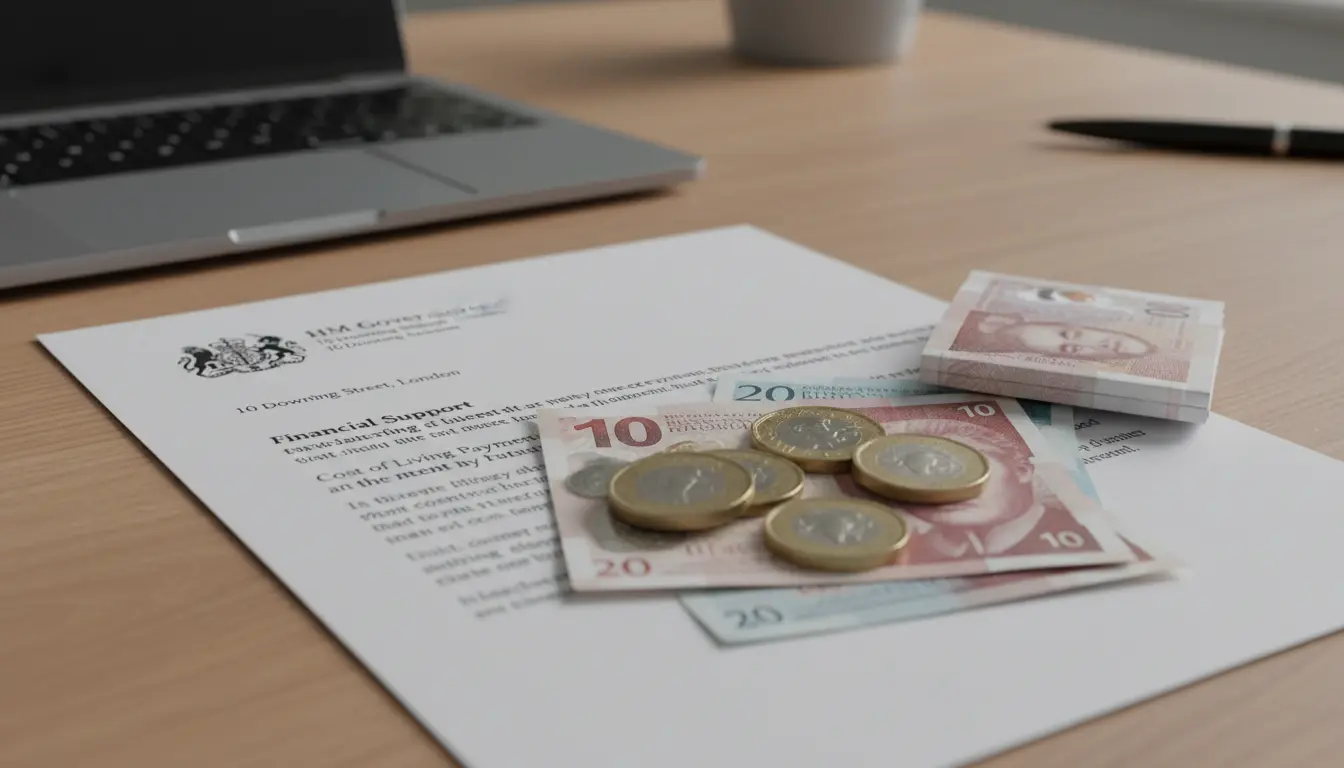
How to confirm £500 Government Cash Support today
If you have been told you may receive a £500 government cash support payment, it is sensible to confirm the claim before sharing personal information. This guide explains practical steps to check the payment, confirm eligibility and avoid scams.
Where this £500 Government Cash Support might come from
Payments described as “one-off” or “emergency” support can come from different sources: national schemes, local council grants, or department-specific payments (for example DWP or HMRC). The exact name and rules vary by year and location.

Always verify the issuing body. Genuine payments are listed on official government pages or on your local council website.
How to check if the £500 payment is real
Follow these steps to confirm a real payment quickly and safely.
- Check GOV.UK or your local council website for official announcements.
- Look for your name in an online government account (for example DWP or tax accounts).
- Contact the issuing department by phone using numbers on official websites, not numbers in emails or letters you received.
- Do not click links in unexpected emails or texts; type the official website address into your browser instead.
Documents and information you may need
When confirming a payment, have these documents ready to speed up verification:
- National Insurance number or tax reference (only share on official sites).
- Recent correspondence or reference number from the letter or email.
- Bank account details if you are required to set payment preferences — but only enter these on verified government pages.
Step-by-step: Confirm today

Use this checklist to confirm a £500 support payment right away.
- Search GOV.UK for the scheme name mentioned in the letter or email.
- Log in to your official government account where relevant (for benefits, pensions or tax).
- If you received a letter, find the reference number and compare it to the guidance on the official page.
- Call the department using the contact information on the official website if you remain unsure.
What to do if the payment is genuine
If official sources confirm the payment, follow their instructions to register or accept the payment. Keep copies of confirmation messages and note any timing or ID checks they require.
Allow time for processing; one-off payments can take days to appear in accounts after confirmation.
What to do if you suspect a scam

If something looks wrong, stop and verify. Scammers use urgent language and ask for bank details, passwords or to make payments to receive a grant.
Report suspicious calls, texts or emails to Action Fraud and forward scam emails to report@phishing.gov.uk or follow guidance on GOV.UK.
Genuine UK government payments are never requested via social media DMs. Official contact will use GOV.UK addresses and household letters with verifiable references.
Examples of common legitimate routes for payments
Some legitimate routes that can include one-off payments are national cost-of-living schemes, local council hardship funds, and department support for specific groups (pensioners, disabled claimants, etc.).
Each program has distinct eligibility rules and timeline, so check the scheme name carefully against GOV.UK guidance.
Small real-world case study
Case: A resident received a letter claiming a £500 support payment and a request to confirm bank details by phone. They logged on to GOV.UK and searched for the scheme and found no matching announcement.
They phoned the local council using the number on the council website. The council confirmed the letter was fraudulent. The resident reported the scam and avoided losing money. This shows why direct verification matters.
Quick checklist before you share personal details
Use this short checklist to stay safe before sharing personal information related to a claimed £500 payment:
- Is the scheme listed on GOV.UK or your council site?
- Does the letter or email use official logos and verifiable contact details?
- Have you contacted the issuing department using a number or address from an official site?
- Are you being asked for unusual information such as your full online banking password? (Never share this.)
What if you still cannot confirm the payment?
If you cannot verify a payment after checking official sources, treat the communication as suspicious. Do not respond to requests for funds or identity checks via unverified channels.
Seek advice from Citizens Advice if you are unsure about next steps or if you believe you have been targeted by a scam.
Summary: Confirming your £500 Government Cash Support
Always verify any claim of a £500 government payment using GOV.UK, your local council website or official department contact numbers. Keep documents ready, avoid clicking unexpected links, and report suspicious approaches to the appropriate authority.
Following these steps will help you confirm genuine payments and protect yourself from fraud.