
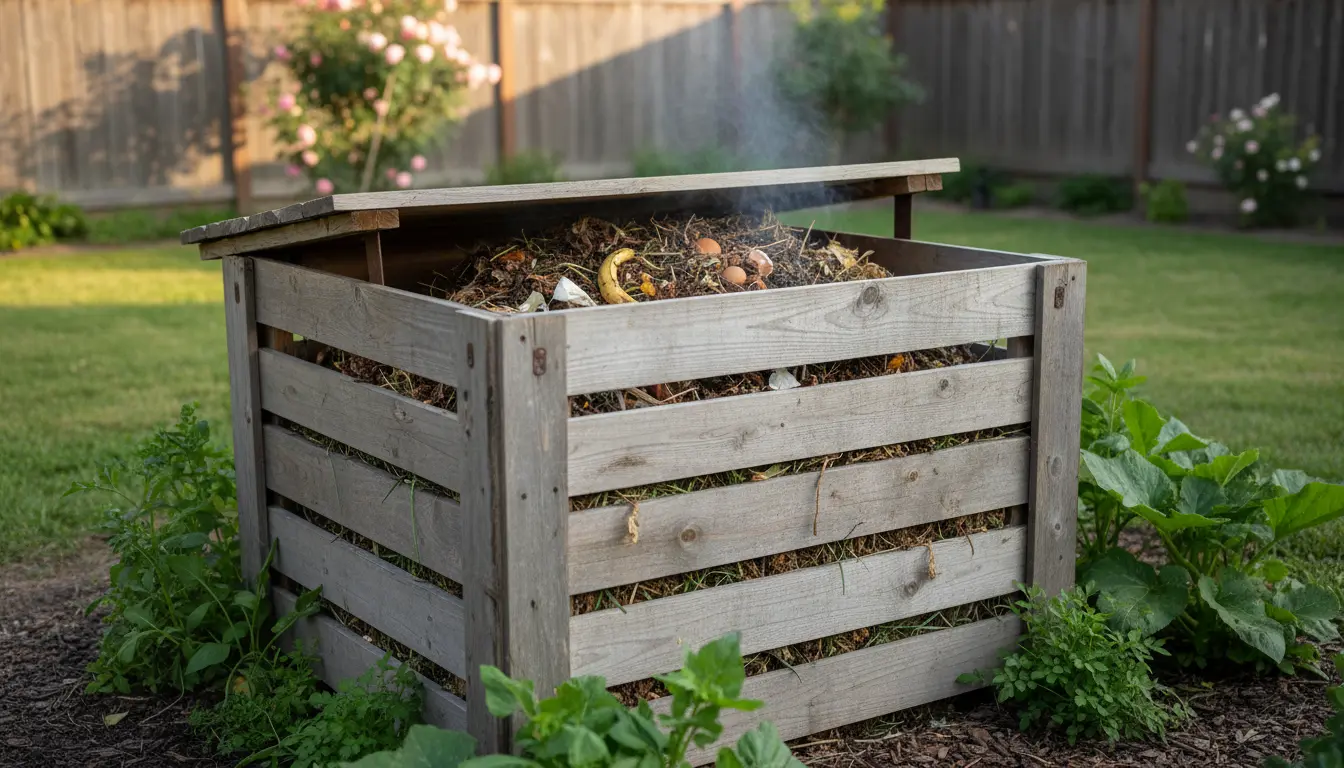
Start Turning Waste into Soil with Home Composting
Home composting is an easy way to reduce kitchen and yard waste while creating nutrient-rich soil for plants. This guide explains straightforward methods, supplies, and common issues to help beginners succeed.
Why Home Composting Matters
Composting reduces the amount of organic waste sent to landfills and lowers methane emissions. It also returns nutrients to the soil, improving water retention and plant health.

For gardeners and renters alike, home composting saves money on fertilizer and supports a circular household system. Small efforts at home add up to meaningful environmental benefits.
How to Start Home Composting
Starting home composting requires choosing a method, collecting the right materials, and committing to simple maintenance. Use the steps below to begin.
Choose a Home Composting Method
Select a system that fits your space and needs. Common options include:
- Open bin or pile for yards with space.
- Compost tumbler for faster turning and less maintenance.
- Worm composting (vermicompost) for small spaces and indoor use.

Each method has pros and cons. Tumblers limit pests, while open bins are low-cost and easy to build.
Gather Materials for Home Composting
Compost needs a mix of ‘greens’ and ‘browns’ to break down efficiently. Aim for a balance close to 2 parts browns to 1 part greens by volume.
- Greens: fruit and vegetable scraps, coffee grounds, fresh grass clippings.
- Browns: dry leaves, shredded paper, straw, cardboard.
- Aeration tool: pitchfork or compost aerator for turning.
- Water source: keep the pile moist but not soggy.
Layering and Building Your First Pile
Start with a coarse layer for drainage, such as small branches or coarse straw. Alternate layers of browns and greens in 4-6 inch layers.

Finish with a brown layer to reduce odors and deter flies. If using a tumbler, add similar layers inside and rotate per schedule below.
Basic Maintenance for Home Composting
Maintenance is mostly about balance: oxygen, moisture, and particle size. Follow a simple routine to keep decomposition active.
Turning and Aeration
Turn open piles every 1-2 weeks to add oxygen and speed decomposition. Tumblers can be rotated every few days for faster results.
For vermicompost, avoid frequent turning; worms need a stable environment and will aerate naturally.
Moisture and Temperature
Target sponge-like moisture: moist but not dripping. Add water during dry spells and mix in more browns if it becomes soggy.
Active hot piles reach 120–160°F (50–70°C), which speeds breakdown and kills seeds. Small backyard piles may remain cooler but still produce good compost over time.
What to Compost and What to Avoid
Knowing what to include keeps your system healthy. Use common sense and avoid problem items.
- Good to compost: fruit and vegetable scraps, coffee grounds, eggshells, yard trimmings, paper, cardboard.
- Avoid: meat, dairy, oily foods, diseased plants, pet waste, and large amounts of citrus or onion if sensitive to pests.
Troubleshooting Home Composting
Common issues are simple to fix with small adjustments. Use these checks before changing your system.
Bad Odors
Bad smells usually mean too much moisture or too many greens. Add dry browns, turn the pile, and improve drainage.
Pests and Flies
Pests are attracted to meat and oily foods. Remove offending items and bury food scraps in the center of the pile. Use a closed bin or tumbler if pests persist.
Slow Decomposition
Slow breakdown often results from low surface area (large pieces), lack of moisture, or poor aeration. Shred materials, keep the pile moist, and turn regularly.
Adding crushed eggshells to your compost improves calcium content and helps reduce acidity in finished compost. Rinse shells and crush them first to speed breakdown.
Small Case Study: Neighborhood Balcony Compost
Maria lives in a city apartment and started worm composting in a two-bin system on her balcony. She collected kitchen scraps and shredded cardboard as bedding.
Within three months she produced usable compost that she mixed into potted plants. Her plants showed better growth and used 30% less store-bought fertilizer.
Tips to Speed Success with Home Composting
- Chop or shred materials to speed decomposition.
- Maintain a 2:1 ratio of browns to greens by volume.
- Keep a small bucket with a charcoal filter for kitchen scraps to reduce smells before adding to the pile.
- Harvest finished compost from the bottom of the pile and return unfinished material to the top.
Final Thoughts on Home Composting
Home composting is accessible to most households and adaptable to many spaces. With a little setup and routine care, you can turn waste into a resource that benefits your garden and the environment.
Start small, learn by doing, and adjust as you go. Even modest composting efforts make a measurable difference over time.