
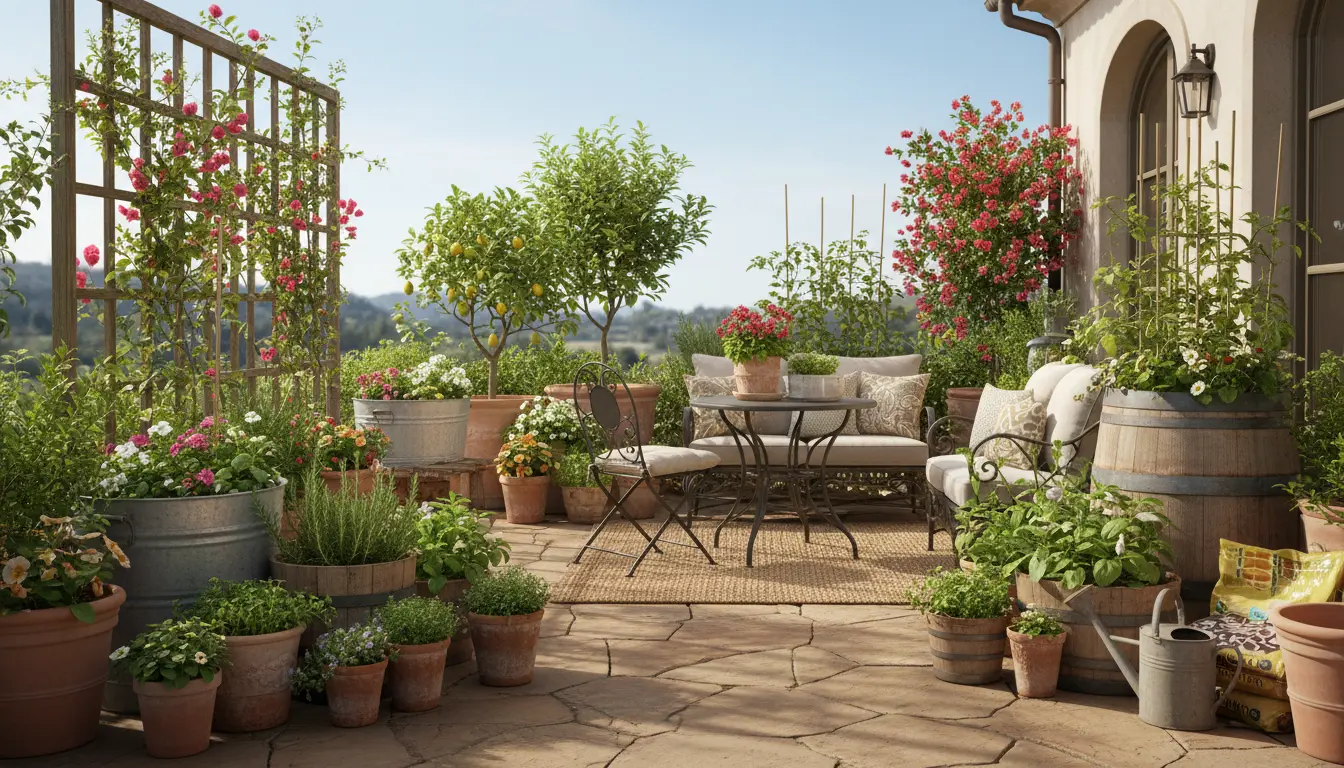
Container vegetable gardening is a practical way to grow fresh produce in small spaces. This guide explains how to start a container vegetable garden step by step, with clear choices for containers, soil, plants, and maintenance.
Why Choose a Container Vegetable Garden
Containers let you grow vegetables on patios, balconies, or small yards without traditional beds. They are easier to manage for watering, pest control, and soil quality.

Containers also provide flexibility: you can move plants to follow the sun and extend the growing season with portable protections.
How to Start a Container Vegetable Garden
Starting a container vegetable garden involves five main steps: selecting containers, choosing the right soil, picking vegetables, planting correctly, and ongoing care. Follow these practical steps to build a productive setup.
Choose Containers for a Container Vegetable Garden
Select containers that fit the plant’s root needs and your space. Larger containers hold more soil, which retains moisture and supports bigger plants.
- Small plants (herbs, lettuce): 6–8 inches deep pots
- Medium plants (peppers, bush tomatoes): 12–18 inch pots
- Large plants (indeterminate tomatoes, squash): 18–24 inch containers or larger

Ensure containers have drainage holes and are made from durable materials that won’t leach chemicals into the soil.
Select Soil and Fertilizer for a Container Vegetable Garden
Use a high-quality potting mix designed for containers rather than garden soil. Potting mixes drain well while holding enough moisture for roots.
Look for mixes with peat or coir, perlite, and compost. Add slow-release fertilizer or organic amendments as directed on the product package.
Pick Vegetables Suited to Containers

Not all vegetables thrive in containers. Choose compact or bush varieties labeled for pots and consider growth habit and harvest time.
- Good choices: cherry tomatoes, peppers, bush beans, lettuce, spinach, radishes, herbs
- Challenging choices: large vining pumpkins, extensive root vegetables (unless deep containers are used)
Planting and Arrangement Tips
Plant with spacing and light in mind. Most vegetables need at least 6 hours of direct sun. Group containers by sunlight and watering needs for easier care.
Plant seeds or seedlings at the depth recommended on seed packets. For mixed pots, place taller plants at the back and trailing or low plants at the front.
Watering and Feeding Your Container Vegetable Garden
Containers dry out faster than ground beds, so check soil moisture daily in warm weather. Water until excess drains from the bottom to ensure roots are fully moistened.
Fertilize regularly: liquid feed every 2–3 weeks or follow slow-release fertilizer instructions. Watch for signs of nutrient deficiency like yellowing leaves or slow growth.
Pest and Disease Management
Inspect plants weekly for pests such as aphids, whiteflies, and slugs. Early detection avoids heavy outbreaks.
- Use insecticidal soap or neem oil for soft-bodied insects.
- Remove affected leaves and rotate crops between seasons.
Seasonal Care and Winter Storage
Adjust watering and fertilizing by season. In summer, increase frequency; in cooler months reduce water to avoid root rot.
Before frost, move containers to protected areas or harvest tender crops. Clean and store empty containers to prevent overwintering pests.
Small Real World Case Study
Case: A two-bedroom apartment balcony produced fresh salads all summer using five containers. The gardener chose one 20-inch pot for a determinate tomato, two 12-inch pots for peppers and bush beans, and two 8-inch pots for lettuce and herbs.
They used a commercial potting mix with compost and fed plants with liquid fertilizer every three weeks. By following a daily watering check and weekly pest inspection, they harvested tomatoes and peppers for four months with minimal problems.
Practical Checklist to Start Your Container Vegetable Garden
- Measure sunlight on your balcony or patio for 7 days.
- Select containers based on vegetable size and mobility needs.
- Buy high-quality potting mix and a balanced fertilizer.
- Choose compact, container-suitable vegetable varieties.
- Plant at the right depth and space for each crop.
- Establish a watering and feeding schedule and inspect weekly.
Common Mistakes to Avoid in a Container Vegetable Garden
Beginners often overwater or use garden soil that compacts in pots. Avoid heavy soils and ensure drainage to prevent root loss.
Another common error is crowding plants. Crowding increases disease risk and reduces yield; follow spacing guidelines for each crop.
Final Tips for a Successful Container Vegetable Garden
Start simple with a few reliable crops to build confidence. Keep notes about what works and adjust container sizes, soil mixes, or plant varieties in the next season.
With regular care and observation, a container vegetable garden can supply fresh produce and satisfy the practical needs of small-space gardeners.