
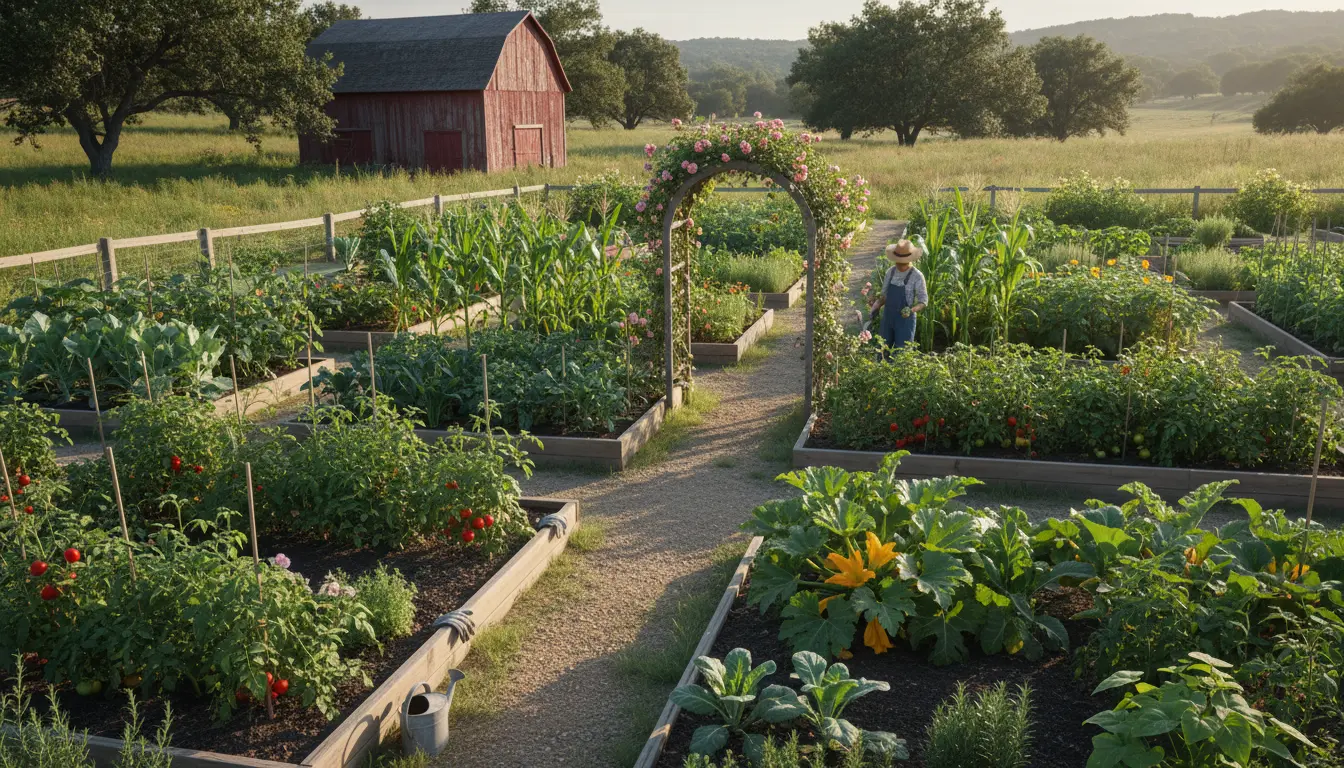
Starting a vegetable garden is a practical way to grow fresh food, save money, and enjoy time outside. This guide covers the key steps you need to start a productive, low-stress garden even if you have little space or experience.
How to Start a Vegetable Garden: Choose Location and Size
Sunlight is the most important factor for most vegetables. Choose a site that gets at least 6 hours of direct sun daily. Balance sunlight with accessibility to water and ease of weeding.

Decide on the garden size based on available space and the time you can commit. Beginners often start with a 4×4 or 4×8 raised bed or several containers on a patio.
How to Start a Vegetable Garden: Quick Site Checklist
- Sun exposure: 6–8 hours ideal
- Water access: hose or drip system nearby
- Soil drainage: avoid low spots that collect water
- Protection: consider fencing or netting against animals
How to Start a Vegetable Garden: Choose Plants for Your Zone
Select vegetables suited to your climate and season. Check your USDA hardiness zone or local extension recommendations for frost dates and heat tolerance.
For beginners, choose easy, high-reward plants like lettuce, radishes, cherry tomatoes, green beans, and basil. These crops are forgiving and offer quick results.
How to Start a Vegetable Garden: Planting Strategy
- Start seeds indoors for tomatoes and peppers 6–8 weeks before the last frost.
- Direct-sow quick crops like radishes and carrots in early spring or fall.
- Practice succession planting to harvest continuously—plant small amounts every 2–3 weeks.
How to Start a Vegetable Garden: Soil Preparation and Amendments

Good soil is the foundation of a productive garden. Test soil pH and fertility with a simple kit or local extension service.
Most vegetables prefer slightly acidic to neutral soil (pH 6.0–7.0). Improve heavy clay or sandy soils by adding organic matter such as compost, well-rotted manure, or leaf mold.
How to Start a Vegetable Garden: Steps to Prepare Soil
- Clear weeds and debris from the planned bed.
- Loosen soil to 8–12 inches for root development.
- Work in 2–4 inches of compost and a balanced slow-release organic fertilizer if needed.
- Rake smooth and firm lightly before planting.
How to Start a Vegetable Garden: Planting and Spacing
Follow seed packet or plant tag spacing recommendations to avoid crowding. Crowded plants compete for light, water and nutrients and are more prone to disease.

Use simple layouts: rows, square-foot gardening, or raised beds. Mark rows with twine or stakes to keep paths clear for watering and harvesting.
How to Start a Vegetable Garden: Watering and Mulching
Water deeply and infrequently to encourage strong roots. Aim for about 1 inch of water per week, adjusting for rainfall and heat.
Apply 2–3 inches of organic mulch like straw, wood chips, or shredded leaves to reduce weeds, keep soil moist, and moderate temperature swings.
How to Start a Vegetable Garden: Maintenance and Pest Management
Routine care keeps a garden productive. Tasks include weeding, staking vining plants, harvesting on time, and monitoring for pests and disease.
Use integrated pest management (IPM) techniques: crop rotation, companion planting, handpicking pests, and using row covers when needed.
How to Start a Vegetable Garden: Seasonal Calendar
- Spring: Prepare beds, plant cool-season crops, start heat-loving seedlings indoors.
- Summer: Maintain watering, harvest regularly, watch for heat stress.
- Fall: Plant fall crops, clean beds, add compost for winter.
Raised beds warm up faster in spring, which can extend your growing season by a few weeks. They also improve drainage and reduce soil compaction.
Small Case Study: A Simple 4×8 Raised Bed
Maria, a beginner gardener with a small yard, built a 4×8 raised bed and filled it with a 50/50 mix of topsoil and compost. She planted tomato seedlings, bush beans, basil, and a row of radishes along the edge.
Within eight weeks she was harvesting radishes and basil, and later in the season she had several pounds of cherry tomatoes. Her time commitment averaged 30 minutes three times a week for watering and weeding.
Key takeaways: start small, choose easy crops, and schedule short regular maintenance sessions.
How to Start a Vegetable Garden: Common Mistakes and Tips
- Overplanting: Don’t cram too many seeds—thin seedlings early.
- Irregular watering: Stick to a consistent schedule to avoid blossom end rot in tomatoes.
- Ignoring soil: Test and amend soil before planting rather than reacting midseason.
- Skipping records: Keep a simple garden journal with planting dates and varieties for future planning.
Starting a vegetable garden is manageable with basic planning and regular care. Choose the right site, prepare the soil, pick suitable crops for your climate, and maintain the garden with simple routines. Small, steady steps will lead to reliable harvests and more confidence each season.