
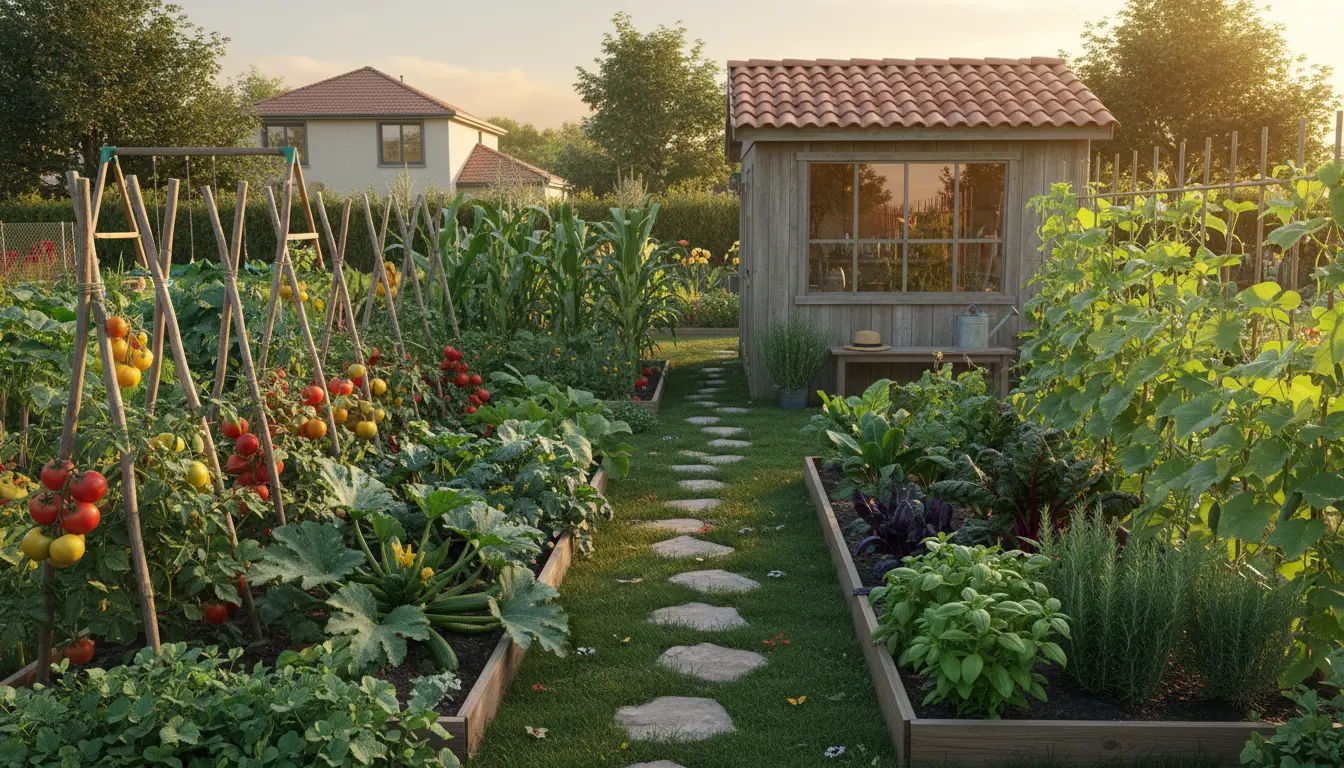
Starting a vegetable garden is a practical way to grow fresh food and learn useful skills. This article gives clear, step-by-step instructions you can use in a small backyard, balcony box, or community plot.
Why start a vegetable garden
Growing your own vegetables saves money and gives you control over how food is grown. It also supports mental and physical health through outdoor activity and hands-on learning.
Benefits of a home vegetable garden
- Fresher, tastier produce and fewer trips to the store.
- Lower grocery bills over time and reduced food waste.
- Improved soil health and biodiversity in your yard.
How to start a vegetable garden: First steps

Before planting, evaluate space, light, and soil. These factors determine what will grow best and how much effort you will need.
Choose a location and prepare soil
Select a spot with at least 6 hours of direct sunlight for most vegetables. If sun is limited, choose leafy greens and herbs that tolerate partial shade.
Test the soil by feeling it and noting drainage. Improve poor soil with compost and, if needed, a small amount of balanced organic fertilizer.
Decide on containers or in-ground beds

Containers are ideal for limited space and allow full control of soil mix. Raised beds warm faster in spring and reduce compaction.
- Containers: Use a quality potting mix and ensure drainage holes.
- Raised beds: Fill with a mixture of topsoil and compost for steady fertility.
- In-ground: Add 2–4 inches of compost and lightly fork to incorporate.
How to start a vegetable garden: Choosing what to plant
Begin with easy, high-reward crops. Pick varieties suited to your climate and season to improve success.
Best vegetables for beginners
- Tomatoes (staked or in containers)
- Leafy greens: lettuce, spinach, kale
- Radishes and carrots for quick harvests
- Beans and peas for low-maintenance yields
- Herbs: basil, parsley, chives
Planting and care basics
Good planting technique and regular care are key to a productive garden. Follow simple routines for watering, mulching, and feeding.
Watering, mulching, and fertilizing

Water deeply and less often to encourage strong roots. Aim for moist, not waterlogged, soil.
- Water early in the morning to reduce evaporation and disease.
- Mulch with straw or wood chips to retain moisture and suppress weeds.
- Feed with compost or a balanced organic fertilizer according to crop needs.
Pest management and crop rotation
Identify common pests and use preventative measures first: row covers, companion planting, and hand removal. Only use targeted, low-toxicity controls when needed.
Rotate crops each season to reduce disease and nutrient depletion. Avoid planting the same family in the same spot two years running.
Seasonal timeline and maintenance tips
A simple seasonal plan keeps tasks manageable. Break the year into preparation, planting, growing, and harvesting stages.
- Spring: Prepare beds, sow cool-season crops, and plant seedlings after frost risk passes.
- Summer: Monitor water, harvest regularly, and shade tender crops if heat spikes occur.
- Fall: Plant cover crops or fall greens and clean up spent plants to reduce pests.
- Winter: Plan next year, repair beds, and store tools properly.
Root vegetables like carrots and beets can improve soil structure by creating channels that help water and roots penetrate deeper the next season.
Small real world example
Case Study: Sarah’s 10 x 10 Backyard Garden
Sarah converted a 10 x 10 foot patch into three raised beds. She chose tomatoes, lettuce, salad radishes, basil, and bush beans for her first season.
After improving the soil with compost, she planted in late spring. By mid-summer she harvested weekly salads and several pints of cherry tomatoes. Her investment in compost and a simple drip hose reduced watering time and boosted yields.
Simple checklist to start a vegetable garden
- Pick a sunny location with good drainage.
- Decide on containers, raised beds, or in-ground planting.
- Improve soil with compost and test drainage.
- Select easy crops suited to your season and space.
- Set a regular watering and mulching routine.
- Monitor for pests and rotate crops each year.
Starting a vegetable garden takes planning but only a small, steady commitment. Use the steps above to plan your first season, start small, and scale up as you gain experience.