
Why Home Composting Matters
Home composting turns organic kitchen and yard waste into a valuable soil amendment. It reduces household waste, lowers garbage costs, and improves garden soil structure.
For beginners, composting is accessible and flexible. You can start with simple tools and scale up as you learn what works in your climate and space.
Choosing a Home Composting Method

Select a method that matches your space, time, and goals. Common home composting methods include bins, tumblers, worm composting, and simple piles.
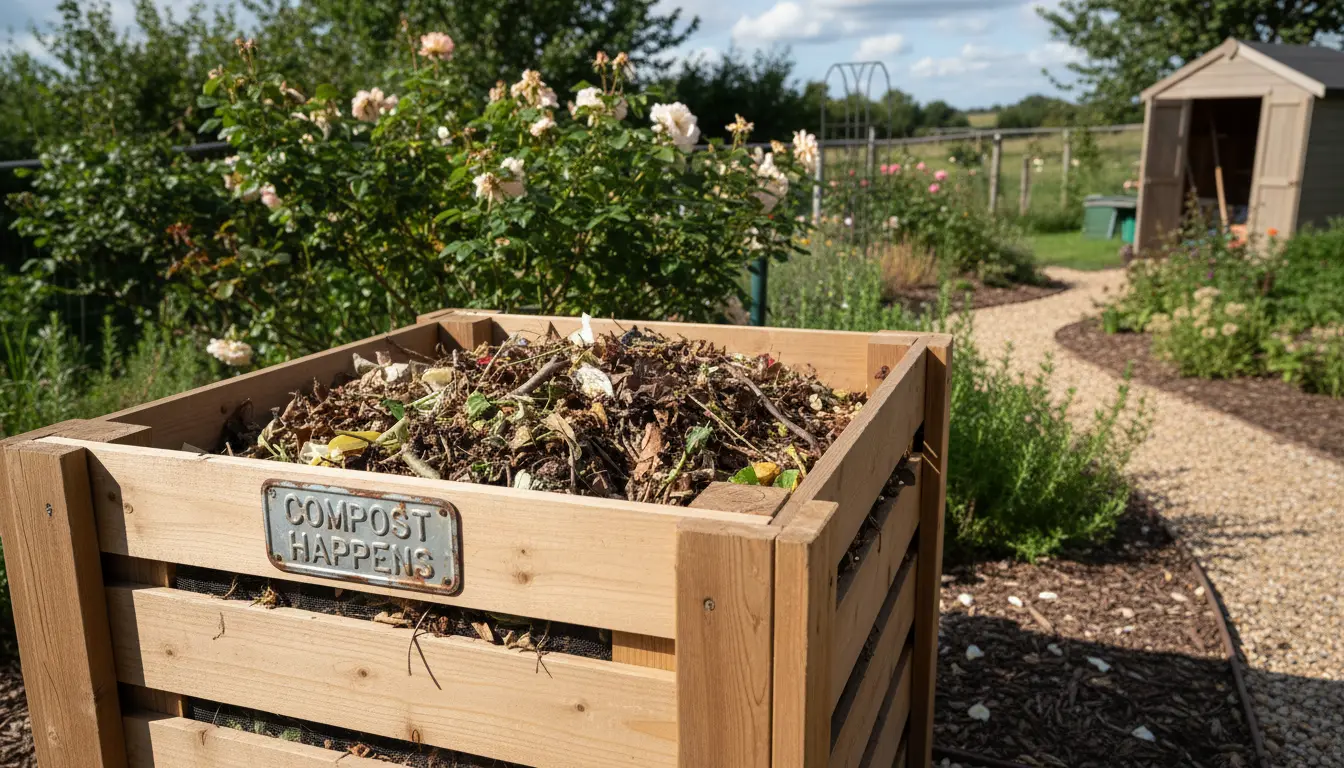
Compost Bin
A stationary bin is low-cost and low-maintenance. It suits yards and small gardens and is good for people who want a hands-off option.
Compost Tumbler
Tumblers speed up mixing and aeration. They work well for small households wanting faster results and less manual turning.
Vermicomposting (Worm Bin)

Worm composting is ideal for apartments and people who want nutrient-dense castings. Worm bins handle most kitchen scraps, except citrus and large amounts of onion.
Setting Up a Compost Bin at Home
Location, container, and materials are the three setup essentials. Choose a partly shaded spot with good drainage and easy access.
Select a container sized for your waste volume — 50 to 200 liters is common for households. It should allow airflow and retain moisture.
Materials to Add
- Brown materials: dry leaves, shredded paper, cardboard, wood chips.
- Green materials: vegetable scraps, coffee grounds, fresh grass clippings.
- Water: keep the pile as damp as a wrung-out sponge.

Aim for a balanced mix of browns and greens. A practical ratio: one part green to two parts brown by volume.
Maintaining Your Home Compost
Simple maintenance keeps decomposition steady. Turn or aerate the pile every 1–2 weeks for faster composting in bins and tumblers.
Monitor moisture and temperature. If the pile is too dry, add water and green materials; if too wet and smelly, add browns and increase airflow.
When Is Compost Ready?
Finished compost is dark, crumbly, and earthy-smelling. Depending on method and conditions, this can take 2 months to a year.
Troubleshooting Common Compost Problems
Problems are usually fixable with small adjustments. The table below lists common issues and solutions.
- Bad smells: Add dry brown material and turn the pile to increase oxygen.
- Slow decomposition: Chop materials smaller and keep the pile moist and warm.
- Pests (rats, flies): Avoid meat, dairy, and large amounts of citrus; use a closed bin or bury scraps.
Practical Tips for Beginners
- Collect kitchen scraps in a small covered container to reduce trips to the bin.
- Shred or chop bulky materials to speed breakdown.
- Layer green and brown materials rather than dumping a single type at a time.
- Keep a thermometer if you want to monitor decomposition temperature precisely.
Composting can reduce household waste weight by up to 30 percent. Proper composting also returns nutrients like nitrogen and phosphorus to the soil.
Small Real-World Case Study
Case study: An urban renter named Maya started vermicomposting in a 40-liter bin on her balcony. She began with shredded paper and a pound of red wiggler worms.
In three months she produced rich castings and reduced weekly trash volume. She used the compost to top-dress potted herbs, which showed faster growth and fewer watering needs.
Examples: Simple Composting Routines
- Weeknight routine: Store kitchen scraps in a sealed container, add to bin twice a week, and mix once a week.
- Weekend routine: Chop yard waste, layer greens and browns, and turn the pile thoroughly every two weeks.
Final Checklist Before You Start Home Composting
- Choose the right method for your living situation.
- Gather basic tools: bin, garden fork or tumbler, watering can, thermometer (optional).
- Create a simple spot for the bin with some shade and drainage.
- Learn to balance greens and browns and how to troubleshoot smells and pests.
Starting small and learning by doing is the best approach. Most beginners find that routine practice and small tweaks quickly lead to steady compost production.
With modest effort, home composting becomes an easy way to reduce waste and improve soil health for gardens and potted plants.