
Why Start a Vegetable Garden
Growing your own vegetables saves money and gives you fresh, flavorful food. A small garden also connects you with seasons and helps reduce grocery trips.
This guide explains how to start a vegetable garden in simple, actionable steps for beginners.
How to Start a Vegetable Garden: Plan and Site Selection

Choose a site with at least six hours of direct sunlight each day. Most vegetables need full sun to produce well.
Consider access to water and convenience. A garden near the house increases the chance you will tend it regularly.
Size and Type: Raised Beds, Rows, or Containers
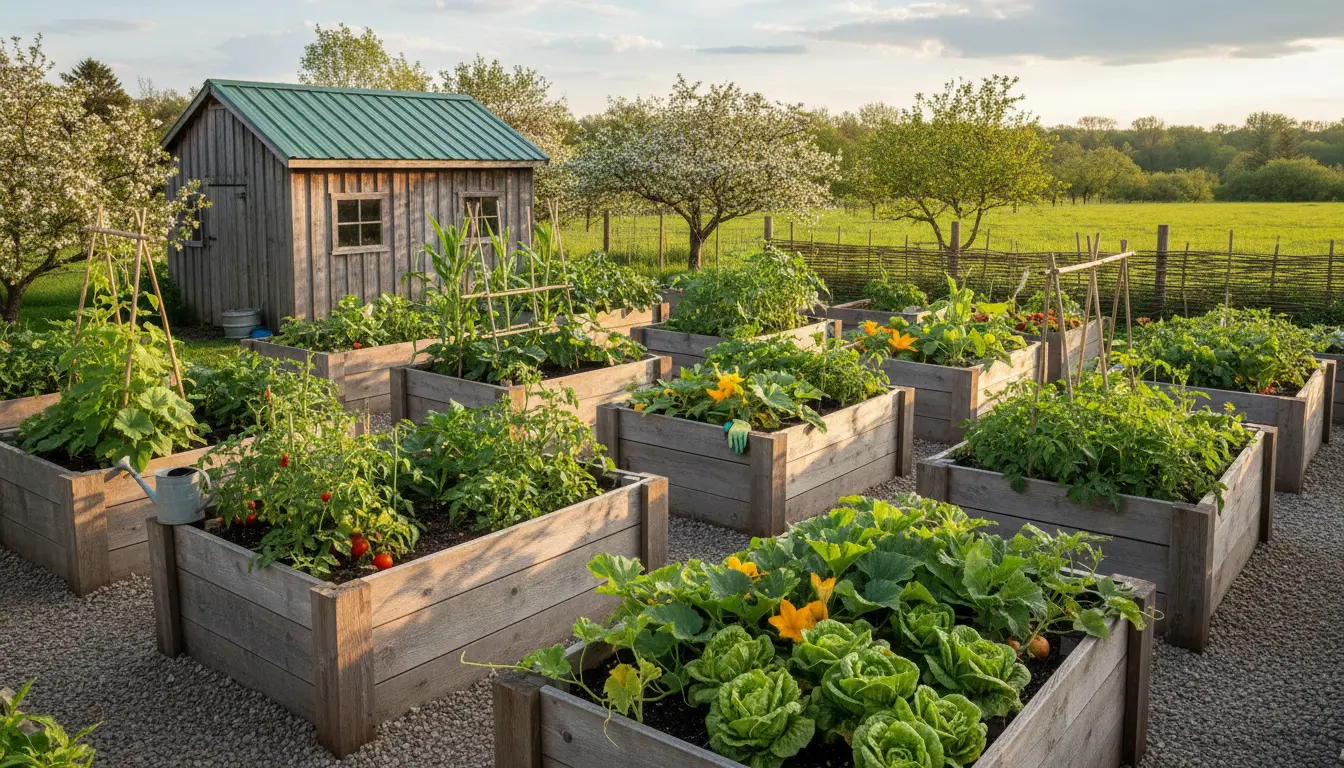
Decide how much space you can dedicate. Beginners often start with a 4×8 raised bed or several large containers.

Raised beds warm faster in spring and offer better drainage, while containers are flexible for patios or balconies.
Soil Preparation and Basic Soil Tests
Good soil is the foundation of a productive vegetable garden. Aim for loose, well-draining soil with plenty of organic matter.
Perform a simple soil test. You can use a home kit or send a sample to a local extension service for pH and nutrient analysis.
Amending Soil

If soil is clayey, add coarse sand and compost to improve texture. If it is sandy, add compost and aged manure to increase water and nutrient retention.
Work amendments into the top 6 to 12 inches of soil before planting. This depth supports root development for most vegetables.
Choosing Vegetables and Timing
Select vegetables suited to your climate zone and season. Start with easy crops like lettuce, radishes, bush beans, tomatoes, and zucchini.
Check your local last frost date to plan spring planting. Cool-season crops go in before the last frost, while warm-season crops go in afterward.
Seed vs. Transplants
Seeds are cheaper and offer more variety, but transplants can give a head start on the season for crops like tomatoes and peppers.
Start seeds indoors 6 to 8 weeks before the last frost if you want to transplant seedlings later. Use a light source and consistent warmth to get strong starts.
Planting and Spacing
Follow spacing recommendations on seed packets or plant labels. Proper spacing reduces competition and disease risk.
Plant in rows, blocks, or square-foot patterns depending on your layout. Blocks are better for pollination than long single rows.
Companion Planting Basics
Companion planting pairs crops that benefit each other. For example, marigolds can deter some pests, and basil planted near tomatoes may improve flavor and repel insects.
Avoid crowding heavy feeders near each other. Rotate crops by family each year to reduce disease buildup.
Watering, Fertilizing, and Maintenance
Water deeply and less frequently to encourage deep roots. Most vegetable gardens need about 1 inch of water per week from rain or irrigation.
Mulch around plants to retain moisture, suppress weeds, and moderate soil temperature.
Fertilizing Schedule
Use a balanced granular fertilizer at planting if your soil test shows low nutrients. Side-dress with compost or a nitrogen source for heavy feeders midseason.
Organic options like compost tea or fish emulsion can support steady growth without synthetic chemicals.
Pest and Disease Management
Inspect plants regularly for insect damage and early signs of disease. Early action prevents small issues from becoming large problems.
Use physical controls like row covers for cabbage moths and hand-pick larger pests such as caterpillars and beetles.
Integrated Pest Management (IPM)
IPM combines cultural, mechanical, biological, and chemical methods only when needed. Encourage beneficial insects by planting flowers and avoiding broad-spectrum insecticides.
Harvesting and Storage
Harvest vegetables at peak ripeness for best flavor and nutrition. Frequent harvesting of crops like beans and zucchini encourages more production.
Store cool-season crops like lettuce in the fridge and root crops like carrots in a cool, dark place to extend freshness.
Small Case Study: A Beginner Raised Bed
Emma, a first-time gardener, built a single 4×8 raised bed and filled it with a 50/50 mix of topsoil and compost. She planted tomatoes, lettuce, bush beans, and carrots.
By following a simple watering schedule and mulching, she harvested enough salad greens weekly and five tomato plants that produced steadily from July to October. Her initial cost was recovered after one season in saved grocery purchases and shared produce with neighbors.
Quick Checklist to Start Today
- Choose a sunny site with water access
- Decide bed type: raised, in-ground, or containers
- Test and amend soil with compost
- Select easy vegetables for your season
- Plant with proper spacing and mulch
- Water deeply and monitor pests weekly
Final Tips: Start Small and Learn
Begin with a small, manageable area and expand as you gain confidence. Gardening is about observation and incremental improvement.
Keep a simple journal of planting dates, varieties, and harvest amounts to improve next season’s planning.