
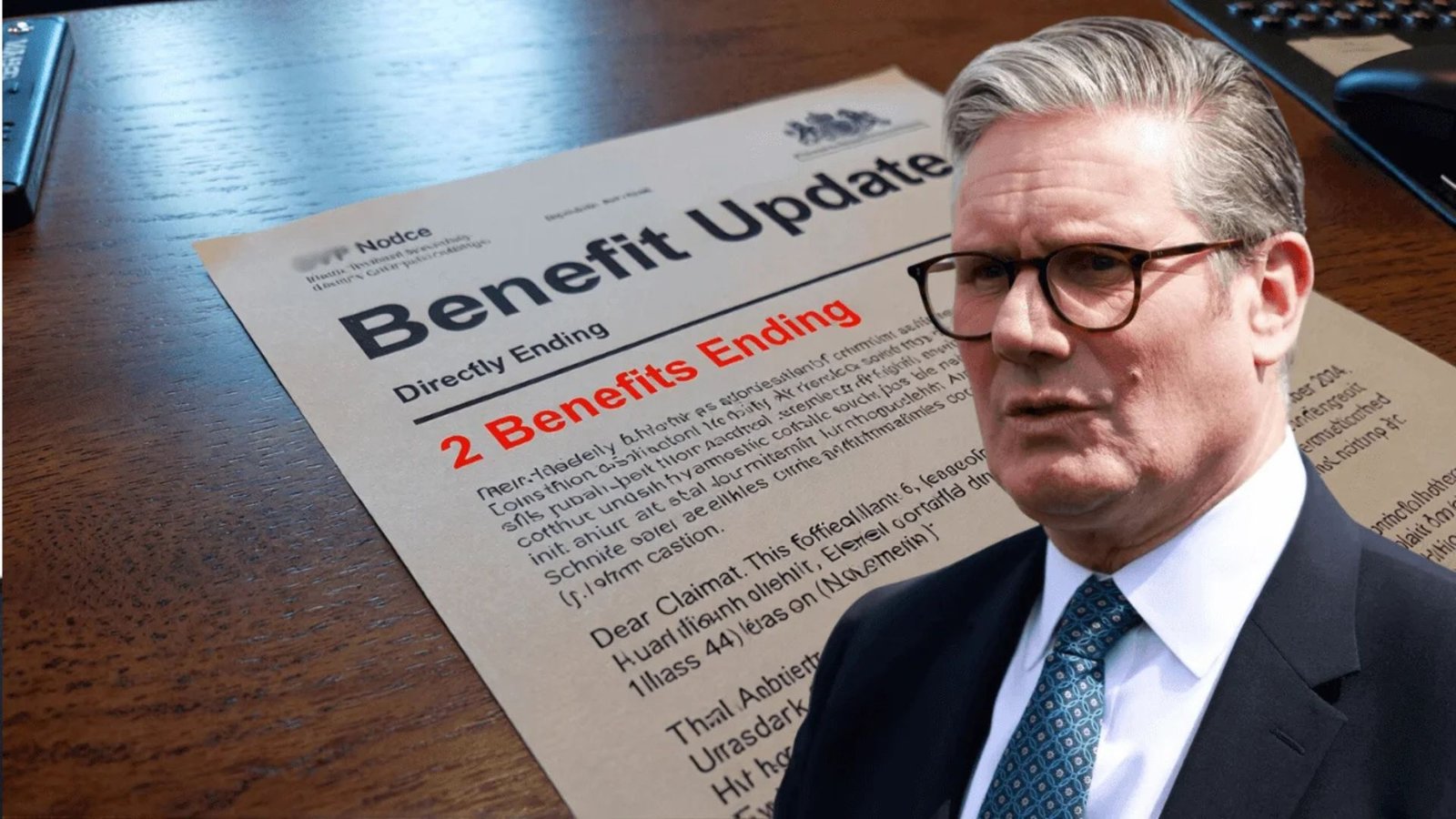
The UK government’s Department for Work and Pensions (DWP) has confirmed that two major legacy benefits will end this month (March 2026). This forms part of a long-term plan to modernize the welfare system by moving people to Universal Credit (UC). The changes affect Income Support and income-based Jobseeker’s Allowance (JSA). New claims for these benefits stopped years ago, and now the final claimants are being moved over.
This shift aims to make the benefits system simpler and more efficient for everyone.
What Are Legacy Benefits and Why Are They Changing?

In the past, the UK benefits system had many separate payments. People often needed to apply for several different benefits, each with its own rules, forms, and payment dates. This made things confusing and time-consuming.
To fix this, the government created Universal Credit. It brings together several old benefits into one single monthly payment. Your UC amount adjusts based on your situation, including:
- Housing costs (like rent)
- Children or childcare
- Health conditions or disabilities
- Income from work
This single system reduces paperwork, makes reporting changes easier (like starting a job), and helps people move into work more smoothly.

The transition has been ongoing for years through a process called Managed Migration. The DWP contacts people on older benefits, sends them a Migration Notice letter, and gives them time (usually three months) to apply for Universal Credit. Many get transitional protection — extra money to ensure their payments do not drop suddenly during the switch.
The DWP has sent over 1.8 million such notices. Most people have already moved, but the process wraps up by the end of March 2026.
Which Two Benefits Are Ending This Month?
The two benefits officially closing at the end of March 2026 are:
- Income Support
This helped people who were not required to look for work but needed financial help. It supported those caring for others, single parents with young children, or people unable to work for certain reasons. - Income-Based Jobseeker’s Allowance (JSA)
This provided money for unemployed people who met specific conditions and were actively seeking work.

These are income-related benefits (based on your earnings and savings). They are being fully replaced by Universal Credit.
Note: There is also a contribution-based (or “new style”) JSA, which is based on National Insurance payments and continues separately. The change mainly affects the income-based version.
Other legacy benefits like income-related Employment and Support Allowance (ESA) and Housing Benefit (in most cases) have already been phased out or are in final stages.
Who Is Affected and What Happens Next?
If you still receive Income Support or income-based JSA:
- You should have received a Migration Notice from the DWP.
- Follow the instructions in the letter to claim Universal Credit before your deadline.
- If you apply on time, you usually keep similar support levels thanks to transitional protection.
- If you miss the deadline, your current benefit may stop, but you can contact the DWP to explain and possibly get an extension.
- Millions have already moved successfully, with high claim rates (around 86% in recent data).
Universal Credit is paid monthly into your bank account. You manage your claim online through a personal account, where you report changes quickly.
Other Benefits That Continue Unaffected
Not all support is changing. These remain available:
- Personal Independence Payment (PIP) — Helps with extra costs from disabilities or long-term health conditions (daily living and mobility).
- State Pension — For retirees.
- Carer’s Allowance — For people caring for someone full-time.
- Child Benefit — For parents or guardians.
- Attendance Allowance — For older people needing help with personal care.
Universal Credit can include extras for housing, children, or disabilities, so many people get everything in one place.
Why This Change Matters
The move to Universal Credit simplifies life for claimants and saves administrative costs for the government. Supporters say it encourages work by making payments adjust smoothly as earnings rise. However, the reforms have sparked debate about protecting vulnerable groups during transitions.
If you are worried about the changes, always check official sources. Avoid rumors on social media — they can spread wrong information.
Quick Comparison: Old Benefits vs. Universal Credit
| Aspect | Old Legacy Benefits (e.g., Income Support, income-based JSA) | Universal Credit |
|---|---|---|
| Number of Payments | Multiple separate benefits | One single monthly payment |
| Application Process | Different forms and rules for each | One online application |
| Reporting Changes | Report to each benefit office separately | Report once through UC account |
| Adjustment for Work | Could stop or reduce sharply | Tapered (reduces gradually as earnings rise) |
| Transitional Protection | Not always available | Extra top-up to protect income level |
| Availability for New Claims | Closed for years | Open to eligible people |
Conclusion
The end of Income Support and income-based Jobseeker’s Allowance this month marks a major step in the UK’s welfare reform. By moving to Universal Credit, the system becomes easier to understand and use. If you receive one of these benefits, act quickly on any DWP letter — contact them or get free advice from trusted organizations like Citizens Advice if needed.
Staying informed and using official guidance helps ensure you continue getting the support you need. The goal is a fairer, simpler benefits system that helps more people while supporting those who need it most.