
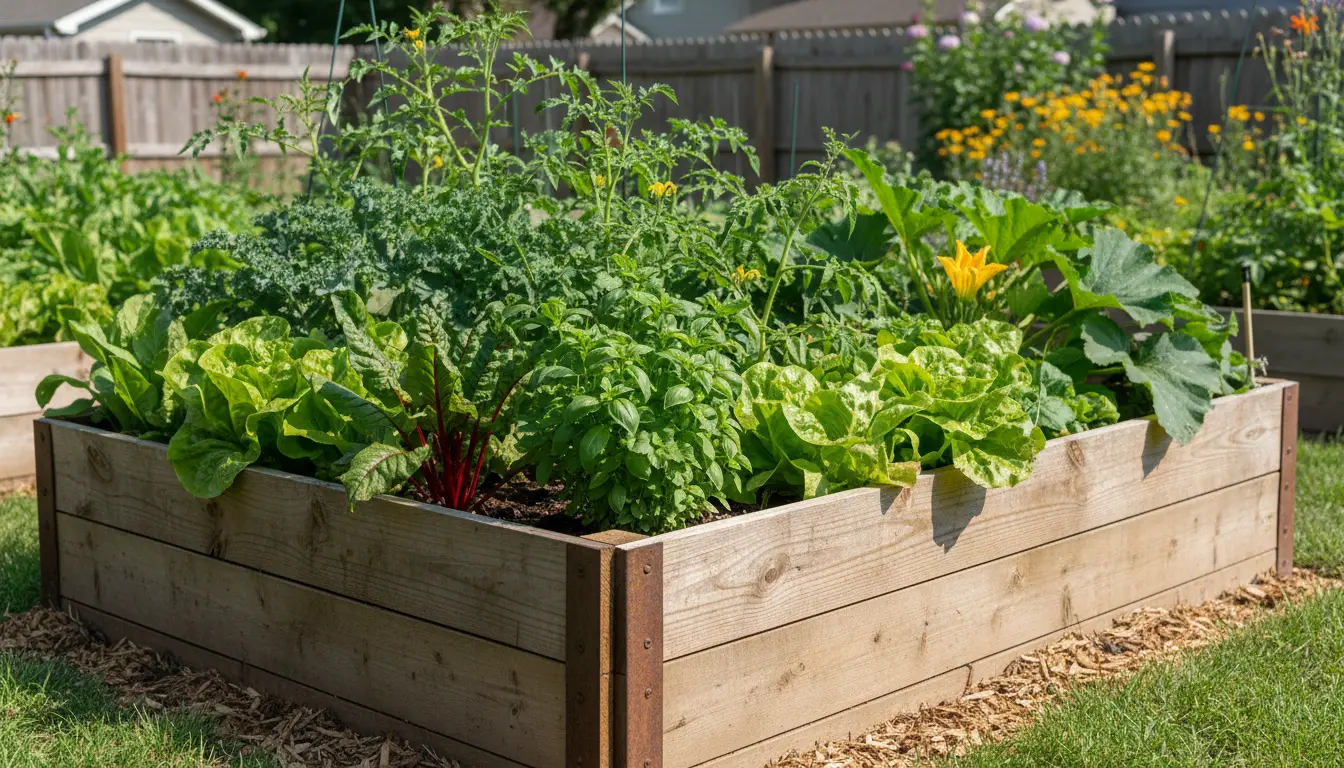
Start a Vegetable Garden: A Simple Beginning
Starting a vegetable garden is an achievable goal for almost any outdoor space. With basic planning and regular care you can grow fresh vegetables that save money and taste better than store-bought produce.
This guide walks through practical, step-by-step instructions to start a vegetable garden that fits your time, space, and climate.
Why Start a Vegetable Garden

Knowing why you want to start a vegetable garden helps you make better choices about scale and crops. Common reasons include saving money, improving diet quality, and enjoying outdoor activity.
Smaller gardens are easier to maintain and still provide a steady supply of salad greens, herbs, and a few staples.
Planning Your Vegetable Garden
Good planning reduces wasted time and failed crops. Start by assessing space, sunlight, and water access.
- Location: Choose a spot with at least 6 hours of sun for most vegetables.
- Size: Begin with one or two 4×4 or 4×8 raised beds, or a small in-ground plot.
- Access: Place beds near a water source to simplify watering.
Decide What to Grow

Pick vegetables you and your household will actually eat. Focus on easy, high-value crops for beginners.
- Easy starters: lettuce, radishes, spinach, bush tomatoes, peppers, and herbs.
- High yield: tomatoes, beans, zucchini—good returns for limited space.
- Succession planting: stagger sowing to extend harvests.
Preparing Soil and Beds for Your Vegetable Garden
Soil quality is the most important factor for a productive vegetable garden. Healthy soil stores water and nutrients, and supports strong roots.
Test and Improve Soil
Perform a basic soil test or use a test kit to check pH and nutrient levels. Optimal pH for most vegetables is 6.0–7.0.

Amend soil with compost to improve structure and fertility. A single yearly application of 2–3 inches of compost is a good rule of thumb.
Raised Beds vs In-Ground
Raised beds warm faster in spring and drain well, which helps reduce early-season problems. In-ground plots can be larger and cheaper but may need more work to improve soil.
- Raised beds: better drainage, less compaction, easier access.
- In-ground: more space, lower upfront cost, depends on native soil health.
Choosing Plants for Your Vegetable Garden
Select varieties labeled for your climate or hardiness zone. Seed packets and plant tags provide days-to-maturity and spacing information.
Consider starting some plants from transplants (tomato, pepper) and sowing fast crops from seed (lettuce, radish).
Companion Planting Basics
Planting compatible crops near each other can reduce pests and improve yields. For example, basil planted near tomatoes may improve flavor and deter pests.
Planting, Watering, and Maintenance
Proper planting depth and spacing help plants establish quickly. Follow seed packet and plant tag instructions for best results.
Watering Routine
Water deeply and less frequently to encourage strong roots. Aim for about 1 inch of water per week, increasing in hot weather.
Use drip irrigation or soaker hoses to conserve water and keep foliage dry, reducing disease risk.
Mulching and Weeding
Mulch around plants to retain moisture and suppress weeds. Organic mulches like straw or shredded leaves also add organic matter as they break down.
Pull weeds when small to reduce competition for nutrients and water.
Pest and Disease Management in a Vegetable Garden
Start with prevention: healthy soil, good spacing, and crop rotation reduce many problems. Monitor plants weekly for signs of insects or disease.
- Physical controls: handpick large pests and use row covers for young seedlings.
- Biological controls: encourage beneficial insects like ladybugs and lacewings.
- Organic sprays: use neem oil or insecticidal soap as a last resort for soft-bodied pests.
Harvesting and Storing Vegetables
Harvest at peak ripeness for best flavor. Frequent harvesting of crops like beans and zucchini encourages more production.
Store produce correctly—leafy greens in cool, moist conditions and root crops in a cool, dark place to extend shelf life.
Home vegetable gardens can reduce grocery bills and cut food miles. A single 4×8 raised bed can produce hundreds of servings of vegetables per season with focused care.
Case Study: Small Raised Bed Success
Maria, a first-time gardener in Austin, used two 4×8 raised beds in her sunny backyard. She started with compost-amended soil and planted tomatoes, lettuce, basil, and bush beans.
By following a simple watering schedule and harvesting regularly, Maria gained a steady supply of salads and salsa ingredients. Her initial $120 investment in beds and soil paid off within one season in grocery savings and reduced food waste.
Common Mistakes and Quick Tips
- Overwatering: avoid daily shallow watering; water deeply 2–3 times weekly instead.
- Planting too close: give plants proper space to reduce disease and increase airflow.
- Ignoring soil: add compost annually rather than relying on store-bought fertilizers alone.
Next Steps to Start Your Vegetable Garden
Choose a small plot or raised bed, test and amend soil, and pick a few easy crops. Start with a manageable plan and scale up as you gain confidence.
Keep notes on planting dates, varieties, and harvests to improve each season. With consistent care, your vegetable garden will become more productive every year.