
What Is the State Pension Increase for 2026?
From 6 April 2026, the State Pension will go up by 4.8%. This percentage comes from the growth in average weekly earnings (a measure of how much people earn on average) between May and July 2025. It beat both the inflation rate (around 3.8% based on September figures) and the minimum guarantee of 2.5%.
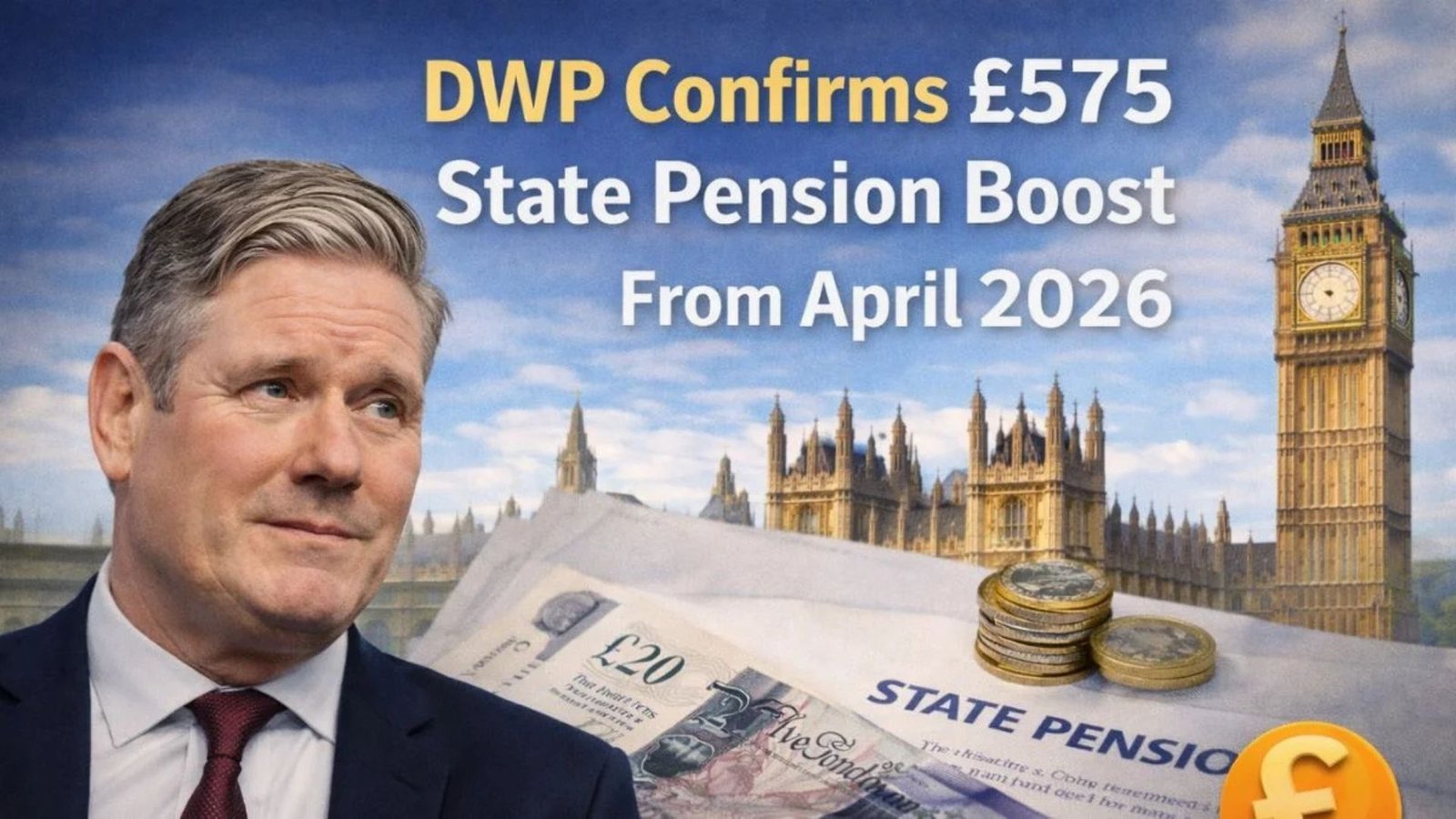
For most people getting the full new State Pension (those who reached pension age on or after 6 April 2016), payments will rise from £230.25 per week to £241.30 per week. Over a full year, this means about £575 more (calculated as roughly £11 extra per week times 52 weeks).
For those on the older basic State Pension (people who reached pension age before April 2016), the full rate increases from £176.45 per week to £184.90 per week, giving an extra around £440 per year.
This boost applies to millions of pensioners across the UK and shows the government’s ongoing support for retirees.
Understanding the Triple Lock: Why the Pension Rises This Way
The triple lock is a rule that protects the State Pension. It makes sure the pension increases each year by the highest of these three things:
- Average earnings growth (how much wages rise)
- Inflation (measured by the Consumer Prices Index or CPI)
- A fixed 2.5%
In 2026, average earnings growth was the highest at 4.8%, so that’s the rate used. This system has helped the State Pension grow faster than prices in many years, giving pensioners better protection against rising costs.
Without the triple lock, the increase might have been lower, based only on inflation or the 2.5% minimum.
Who Will Get the £575 Boost?
Not every pensioner gets exactly £575 extra, as it depends on your type of pension and how much you receive now.
- Full new State Pension → Up to £575 more per year
- Basic State Pension → Up to £440 more per year
- If you get a partial amount (due to fewer qualifying years of National Insurance contributions), your increase will be a percentage of the full rise.
Around 13 million people receive the State Pension, so this change affects a large group. The extra money will appear in bank accounts from April 2026 onward.
Here is a simple table showing the main weekly rates before and after the increase:
| Pension Type | Current Rate (2025/26) | New Rate (2026/27 from April) | Weekly Increase | Approximate Yearly Increase |
|---|---|---|---|---|
| Full New State Pension | £230.25 | £241.30 | £11.05 | £575 |
| Full Basic State Pension | £176.45 | £184.90 | £8.45 | £440 |
These figures are for the full amounts. Your personal rate may vary based on your National Insurance record.
When and How Will the Money Arrive?
The higher payments start from 6 April 2026, the beginning of the new tax year. Most pensioners get paid every four weeks or monthly, so the first increased payment should arrive in April or early May, depending on your schedule.
No action is needed from most people—the DWP automatically applies the increase. If you have questions about your exact amount, check your State Pension forecast on the official GOV.UK website or contact the Pension Service.
Why This Matters for Pensioners
This £575 (or similar) extra helps with everyday expenses like food, energy bills, and household costs. With living expenses still high, the above-inflation rise provides real support. The government has promised to keep the triple lock for the current Parliament, which could mean further increases in future years.
Experts note that continued triple lock protection might lead to more pensioners paying income tax on their State Pension in coming years, as the total amount grows while the tax-free personal allowance stays frozen for now.
Conclusion
The DWP’s confirmation of the 4.8% State Pension increase from April 2026 is good news for UK pensioners. The £575 annual boost for many on the full new State Pension, driven by the triple lock, offers important financial help at a time when it’s needed most. It shows the government’s commitment to supporting older people.
If you’re approaching pension age or already receiving payments, stay informed via official sources like GOV.UK. This change can make a real difference to retirement budgets—plan ahead to make the most of it.