
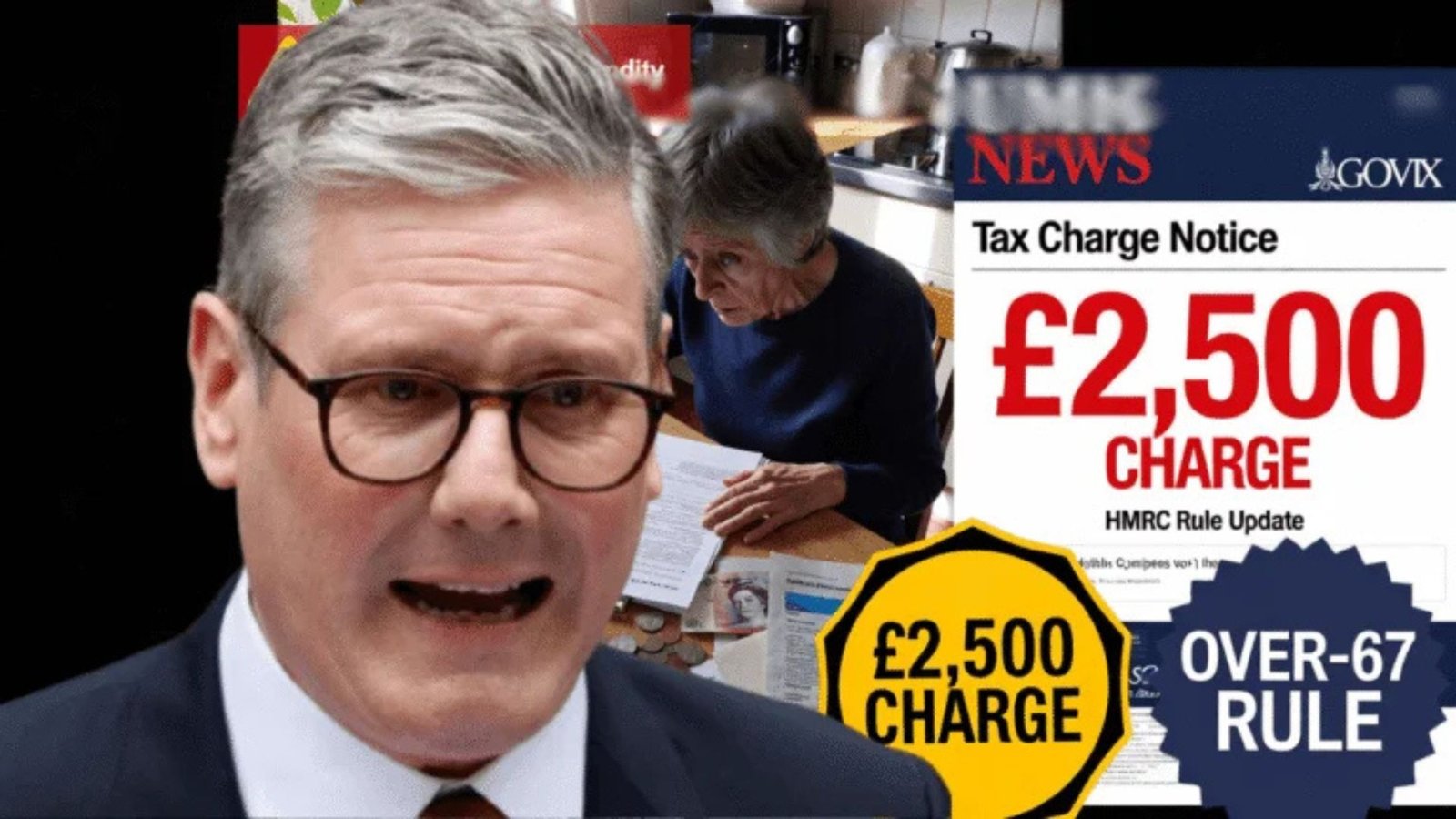
Many people over 65 in the UK are worried about news stories talking about a new £2,500 tax charge from HMRC (HM Revenue and Customs). This has been widely discussed in March 2026. But it’s important to know the truth: this is not a new flat tax bill sent to every senior citizen. Instead, it refers to extra tax that some retirees might have to pay due to how the tax system works with their income.
In simple words, this extra amount often comes from underpaid tax in previous years or from changes that push more pension income into taxable bands. Let’s break it down clearly so you can understand who might be affected, why it happens, and what you can do.
What Is This £2,500 Tax Charge?
The £2,500 figure is not a brand-new tax rule that hits all people aged 65 and older. It is an estimate of the extra tax some retirees end up owing HMRC. This usually happens when tax has not been collected properly during the year, and HMRC later asks for the missing amount.
For many, this amount (around £2,500 or sometimes more/less) builds up because of:
- Multiple sources of income (like State Pension plus private pensions)
- Mistakes in tax codes
- Rising pension payments while tax-free limits stay the same
This is often called fiscal drag — a situation where frozen tax thresholds meet increasing income, pulling more people into paying tax without any new law change.
Who Might Be Affected?
This mainly impacts retirees over 65 who have a total income above certain levels. Not everyone will face this.
Common groups at risk include:
- People receiving the State Pension (which is taxable but tax is not taken off it directly)
- Those with extra income from workplace pensions, private pensions, savings interest, or investments
- Retirees whose combined income pushes them over the basic tax-free amount
If your total yearly income is low (below the tax-free limit), you are unlikely to see any extra charge.
Key UK Tax Basics for Pensioners
To make this easier, here is a simple explanation of important terms:
- Personal Allowance: This is the amount of income you can earn each year without paying tax. For most people in 2026, it is £12,570 (this has stayed the same for several years).
- Tax Bands: After the personal allowance, income is taxed at different rates:
- 0% on income up to £12,570
- 20% on income from £12,571 to £50,270 (basic rate)
- 40% on higher amounts
- State Pension: Counts as taxable income, but tax is usually collected from other sources like a private pension.
- Tax Code: A number HMRC gives to tell pension providers or employers how much tax to take off. Wrong codes can lead to too little or too much tax being deducted.
Here is a quick table of current Income Tax bands (for most people with standard Personal Allowance):
| Income Range | Tax Rate | What It Means |
|---|---|---|
| Up to £12,570 | 0% | Tax-free (Personal Allowance) |
| £12,571 – £50,270 | 20% | Basic rate tax |
| £50,271 – £125,140 | 40% | Higher rate tax |
| Over £125,140 | 45% | Additional rate tax |
Note: If your income is over £100,000, your Personal Allowance starts to reduce.
Why Do Some Pensioners Get Unexpected Tax Bills?
Tax problems for over-65s often happen because:
- The State Pension is taxable, but no tax is taken from it automatically. HMRC collects it by adjusting tax on other income.
- If you have multiple pensions or savings, tax might not be deducted correctly from all sources.
- Pension amounts rise with inflation, but the tax-free allowance has been frozen. This means more of your income becomes taxable over time.
- Underpayments from past years can add up, and HMRC may ask for a lump sum (sometimes around £2,500 on average for affected cases).
This is not a “new” charge but a correction of tax owed.
How to Avoid or Reduce Surprises
You can take simple steps to stay on top of your tax:
- Check your tax code regularly — you can do this on your HMRC online account or by calling them.
- Review your pension statements each year to see total income.
- Keep records of all income sources (State Pension, private pensions, bank interest).
- If you think something is wrong, contact HMRC early — they can fix tax codes to spread payments.
- Consider talking to a financial adviser for tips on using allowances better (like tax-efficient savings).
Always use official HMRC sources for advice — ignore suspicious emails or calls claiming to be from them, as these could be scams.
Conclusion
The talk about a £2,500 tax charge for over-65s in March 2026 is real but often misunderstood. It is not a new universal tax on all seniors. Instead, it highlights how frozen tax rules and rising incomes can lead to extra tax payments for some retirees — especially those with combined pensions and savings pushing them into taxable bands.
By checking your tax details regularly, understanding your allowances, and acting early, you can avoid big surprises and manage your retirement money better. The UK tax system can feel complicated, but staying informed gives you control. For the latest official rules, visit the HMRC website or contact them directly. Planning ahead helps ensure your golden years are as comfortable as possible.