
In the UK, the personal allowance is a key part of the tax system. It lets most people earn a certain amount of money each year without paying any income tax on it. This helps lower earners keep more of their pay and makes the tax system fairer.
For the current tax year (2025/2026), the standard personal allowance is £12,570. That means if your total income is £12,570 or less, you usually pay no income tax. Anything you earn above this amount gets taxed at different rates, starting at 20% for basic rate taxpayers.
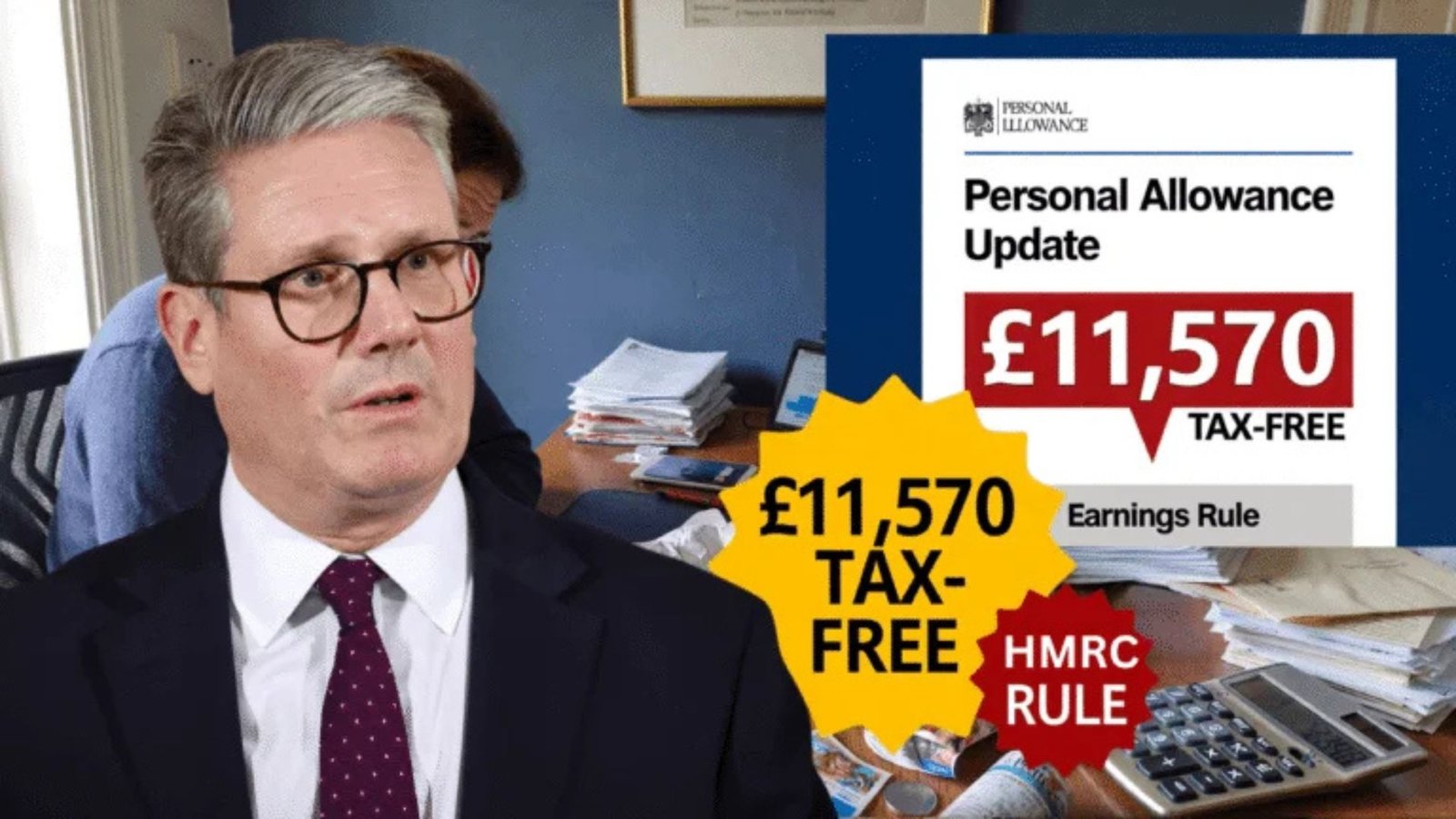
But some people might notice their tax-free amount looks lower—like around £11,570—on payslips or tax statements. This isn’t a change to the main rule for everyone. Instead, it happens because of specific adjustments or earnings rules set by HMRC (HM Revenue and Customs). Let’s break it down in simple terms.
How the Personal Allowance Normally Works
The personal allowance is the first slice of your income that’s tax-free. It’s applied automatically for most employees through the PAYE system (Pay As You Earn), where your employer deducts tax before you get paid.
- Standard amount: £12,570 per tax year (frozen until at least 2028).
- Who gets it: Most UK residents, including workers, self-employed people, and pensioners.
- Tax bands after allowance (for England, Wales, and Northern Ireland):
- 0% on income up to £12,570 (personal allowance).
- 20% basic rate on £12,571 to £50,270.
- 40% higher rate on £50,271 to £125,140.
- 45% additional rate on income over £125,140.
This setup means low and middle earners pay little or no tax on their first earnings.
Why Some See an Effective Allowance of £11,570
The £11,570 figure often comes up due to tax code changes or specific situations. Your tax code (like 1257L for the standard allowance) tells your employer or pension provider how much to treat as tax-free.
Sometimes, HMRC adjusts this code if:
- You owe tax from a past year.
- You get taxable perks from work (like a company car).
- You have multiple jobs or income sources.
- There are other corrections needed.
In these cases, the tax-free amount used in payroll might drop temporarily, making it look like £11,570 or similar. It’s not a permanent cut to the national allowance—it’s an adjustment to make sure you pay the right total tax over the year.
Pensioners can see this too. State Pension is taxable but often no tax is taken from it directly. Instead, tax gets collected from other income (like private pensions), which can lead to a modified tax code and a lower-looking allowance.
The High-Earner Taper Rule: The Main Earnings Rule Behind Reductions
The most common reason for a real reduction in personal allowance is the high-income taper rule. This applies if your adjusted net income (total earnings minus some deductions like pension contributions) goes over £100,000.
- For every £2 you earn above £100,000, you lose £1 of your personal allowance.
- This taper continues until your allowance reaches zero at around £125,140.
Example calculation:
- If you earn £101,000, you lose £500 of allowance (£1,000 excess / 2 = £500 lost).
- Your new allowance: £12,570 – £500 = £12,070.
- At higher levels, like £102,000 excess (£2,000 over £100,000), you lose £1,000 → allowance drops to £11,570.
This creates an “effective” tax rate of up to 60% in the £100,000–£125,140 band because you’re taxed at 40% on the income plus lose tax-free relief on part of it.
Personal Allowance Taper Table (2025/2026 Tax Year)
| Adjusted Net Income | Personal Allowance | Amount Lost | Effective Tax-Free Amount |
|---|---|---|---|
| Up to £100,000 | £12,570 | £0 | £12,570 |
| £101,000 | £12,070 | £500 | £12,070 |
| £102,000 | £11,570 | £1,000 | £11,570 |
| £110,000 | £7,570 | £5,000 | £7,570 |
| £125,140+ | £0 | £12,570 | £0 |
This rule targets higher earners while protecting lower ones. It’s not a new “£11,570 rule” for everyone—it’s part of the taper for those above £100,000.
Who Does This Affect Most?
- Employees and directors earning over £100,000 (including bonuses or benefits).
- Self-employed people with high profits.
- Pensioners with combined income pushing into this range.
- Not average earners—most people keep the full £12,570.
What Should You Do If Your Allowance Looks Lower?
- Check your payslip or pension statement for your tax code.
- Use the official HMRC online tool to review your tax details.
- Contact HMRC if it seems wrong—they can correct codes and may issue refunds for overpaid tax.
- Plan ahead: Higher earners can reduce adjusted income with pension contributions to keep more allowance.
Staying on top of your tax code avoids surprises.
Conclusion
The UK personal allowance of £12,570 remains the standard tax-free amount for most people in 2025/2026, helping millions keep more of their hard-earned money. The idea of it dropping to £11,570 often stems from tax code adjustments for past issues or the high-earner taper rule that reduces it gradually above £100,000 income.
Understanding these rules prevents confusion and helps with better financial planning. Whether you’re a worker, self-employed, or retired, review your tax situation regularly via HMRC’s services. Staying informed ensures you pay only what you owe—and maybe even get money back. If your income is rising toward £100,000, consider ways to manage it, like pension savings, to avoid the taper’s impact. Always check official gov.uk sources for the latest details, as tax rules can evolve.