
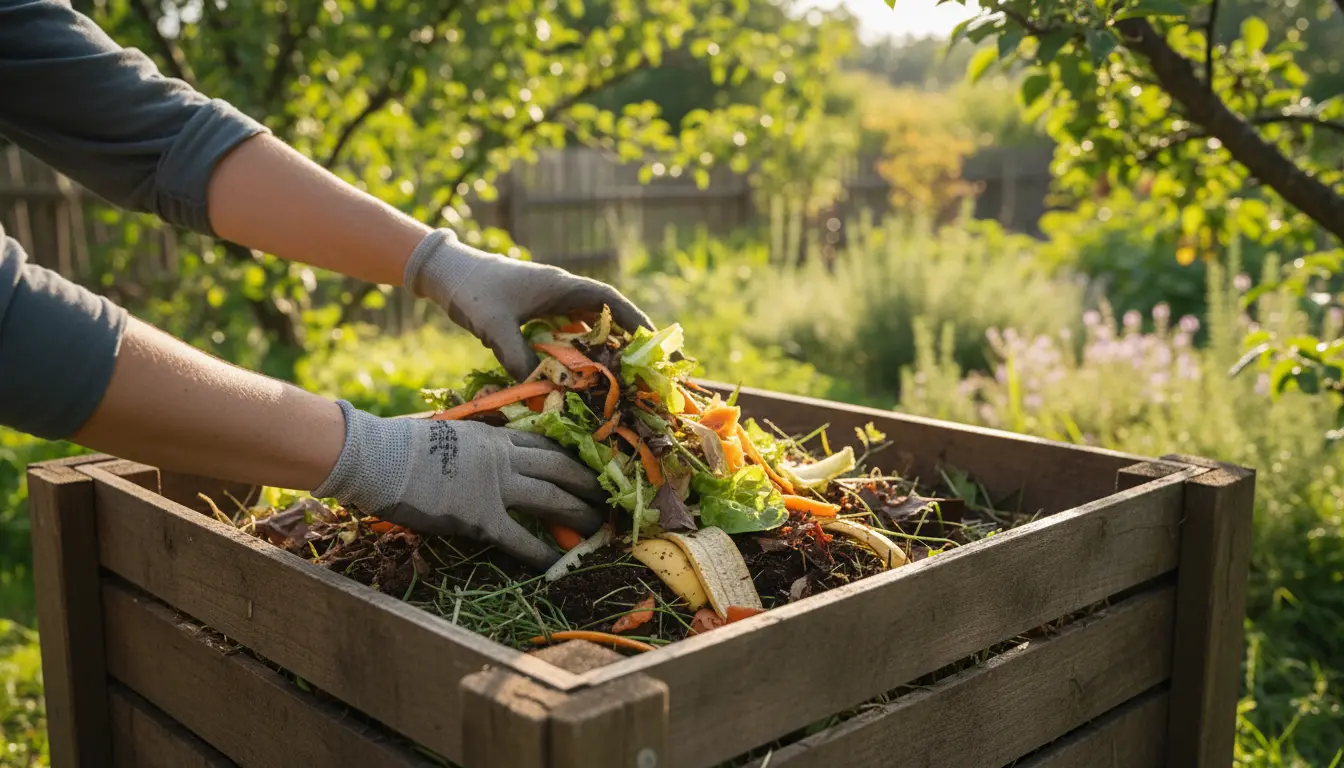
What is Home Composting?
Home composting is the process of turning kitchen and yard waste into nutrient-rich soil through natural decomposition. It reduces household waste and creates material you can use to improve garden soil.
Why Start a Home Compost Bin
Composting lowers the amount of waste sent to landfills and reduces methane emissions from organic waste. It also returns nutrients to the soil and helps retain moisture in garden beds.
- Reduce household waste volume
- Improve garden soil structure
- Save money on fertilizer and soil amendments
How to Start a Home Compost Bin
Starting a compost bin does not require special skills. Follow a few simple steps to get a reliable system going at home.
-
Choose the Right Bin
Pick a bin size that fits your space and waste production. Options include tumblers, stationary bins, or simple pile methods for larger yards.
-
Find a Good Location
Place the bin on level ground with some drainage and partial shade. Proximity to your kitchen makes it easier to add scraps regularly.
-
Layer Materials
Start with a layer of coarse material like straw or small branches to help airflow. Alternate green (nitrogen) and brown (carbon) layers as you add waste.
-
Maintain Moisture and Air
Keep the pile damp like a wrung-out sponge. Turn the pile every 1–2 weeks to add oxygen and speed decomposition.
Where to Place Your Home Compost Bin
Location affects ease of use and performance. Consider access, drainage, and local rules when choosing placement.
- Near a water source for occasional wetting
- On soil rather than concrete to allow worms and microbes access
- A shaded spot to prevent drying in hot climates
What to Compost and What to Avoid
Knowing what goes into your compost bin prevents smells, pests, and slow breakdown.
Good Items (Greens and Browns)
- Greens: fruit and vegetable scraps, coffee grounds, grass clippings
- Browns: dry leaves, shredded paper, cardboard, straw
Items to Avoid
- Meat, dairy, oils, and bones (attract pests)
- Diseased plants or persistent weeds with seeds
- Pet waste from meat-eating animals
Maintenance and Troubleshooting for Home Composting
Routine checks keep your compost healthy. Look for smells, moisture imbalances, or an inactive pile.
- Foul odor: Add more brown material and turn to increase airflow.
- Too dry: Add water and green materials, and mix thoroughly.
- Too wet or slimy: Add dry browns and increase aeration by turning.
- Slow decomposition: Chop materials smaller and maintain heat by balancing greens and browns.
Microorganisms and invertebrates such as earthworms do most of the work in a compost pile. A healthy compost pile can reach 130 F in the active center, speeding decomposition and killing many weed seeds.
Case Study: A Small Suburban Home Composting Success
Maria, a homeowner with a small backyard, switched to a 200-liter plastic compost bin. She used a simple routine: add kitchen scraps daily, add dry leaves weekly, and turn the bin every two weeks.
After four months she had dark, crumbly compost. Her vegetable bed required less watering and her grocery bills dropped slightly because she grew more vegetables at home.
Tips to Speed Up Home Composting
- Chop or shred larger items to increase surface area for microbes.
- Maintain a roughly 2:1 ratio of browns to greens by volume for cooler, steady composting.
- Use a compost thermometer to monitor progress if you want faster, hot composting.
- Consider adding a handful of garden soil or mature compost to introduce microorganisms.
Final Checklist Before You Start
- Choose an appropriate bin and location
- Learn local regulations (some areas regulate composting of certain materials)
- Collect a simple balance of greens and browns
- Schedule regular turning and checks
Home composting is a low-cost, practical way to reduce waste and improve garden health. Start small, observe the process, and adjust the balance of materials until your bin performs reliably.