
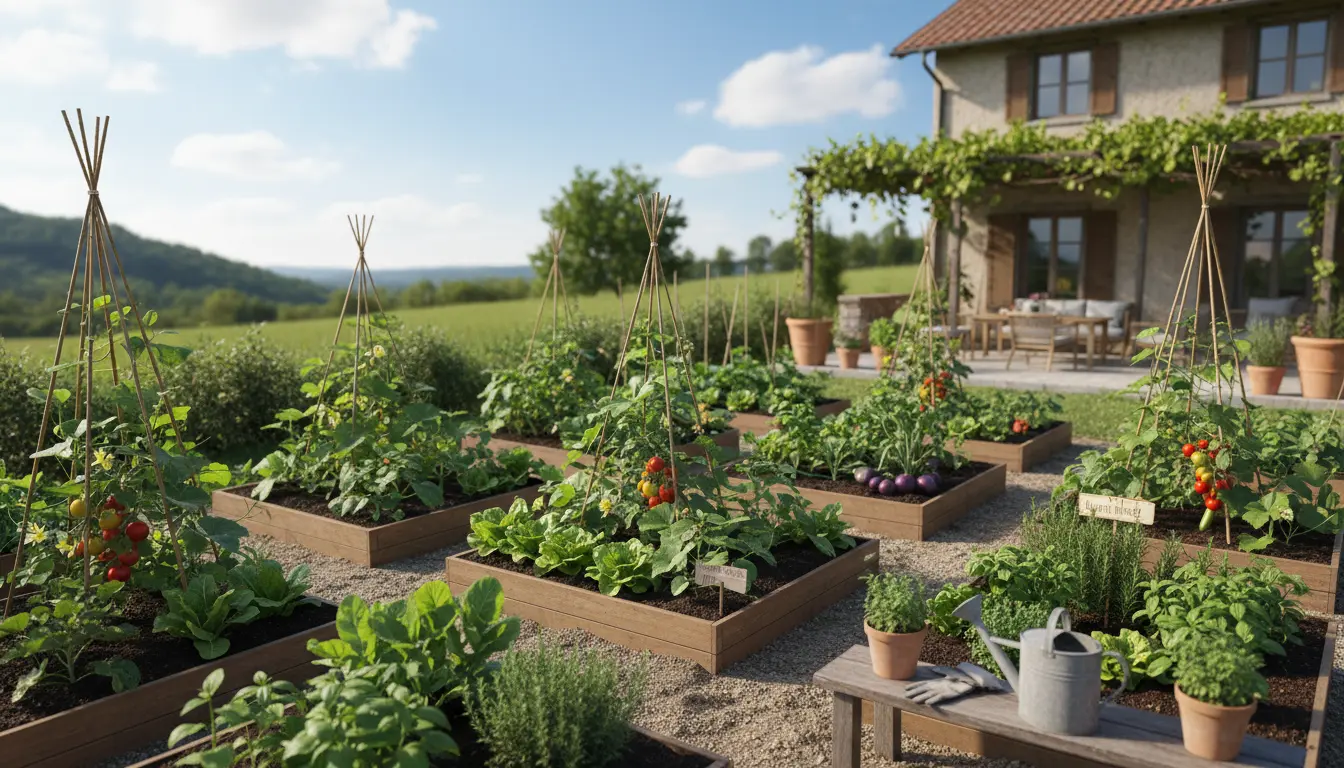
Start a Vegetable Garden: Quick Overview
Starting a vegetable garden is practical and achievable with basic planning. This guide covers site selection, soil, planting, maintenance, and a short case study to show real results.
Plan Before You Start a Vegetable Garden
Good planning reduces mistakes and saves time. Decide what you want to grow based on your space, climate, and time available.
Begin with easy vegetables like lettuce, radishes, tomatoes, and green beans if you are a beginner.
Choose a Garden Type to Start a Vegetable Garden
Decide between in-ground beds, raised beds, or containers. Each type has pros and cons:
- In-ground: Low cost but needs good soil and weed control.
- Raised beds: Better drainage and soil control; good for small yards.
- Containers: Ideal for balconies or patios; easy to manage water and pests.
Pick the Right Location to Start a Vegetable Garden
Vegetables need sunlight. Choose a spot with at least 6 hours of direct sun each day.
Consider water access and wind protection. Avoid low areas that stay wet after rain.
Prepare Soil to Start a Vegetable Garden
Soil quality determines plant health. Test soil pH and nutrient levels using a cheap kit or local extension service.
Aim for loose, well-draining soil rich in organic matter. Add compost and aged manure to improve texture and fertility.
Soil Improvement Steps
- Remove weeds and large stones.
- Work in 2–4 inches of compost across the bed.
- For heavy clay, add coarse sand and more organic matter to improve drainage.
- Adjust pH with lime (to raise) or sulfur (to lower) based on test results.
Choose Seeds and Seedlings to Start a Vegetable Garden
Start with healthy seeds or young plants from a trusted nursery. Read seed packets for days to maturity and spacing.
Buy seedlings for quick results; start seeds indoors if you want more variety and control.
Planting Tips
- Follow spacing recommendations to avoid overcrowding and disease.
- Plant deeper for root crops like carrots; shallower for lettuce.
- Stagger plantings of fast crops (like lettuce) every 2–3 weeks for continuous harvest.
Watering and Maintenance for a Healthy Vegetable Garden
Consistent watering is essential. Most vegetables need about 1 inch of water per week, more in hot weather.
Use drip irrigation or soaker hoses to water roots and reduce leaf wetness that causes disease.
Weed, Mulch, and Fertilize
Mulch with straw, shredded leaves, or bark to retain moisture and suppress weeds. Pull weeds when small to avoid competition.
Fertilize based on crop needs: leafy greens benefit from nitrogen, while fruiting plants like tomatoes need balanced N-P-K feeding.
Pest and Disease Management in a Vegetable Garden
Early observation prevents big problems. Inspect plants weekly for pests, holes, or discoloration.
Use integrated pest management: physical barriers, handpicking, beneficial insects, and organic controls when needed.
Common Solutions
- Row covers to protect young plants from insects.
- Neem oil or insecticidal soap for soft-bodied pests.
- Crop rotation to reduce soil-borne diseases.
Harvesting and Success Tips for Your Vegetable Garden
Harvest regularly to encourage new growth. Pick vegetables at peak ripeness for the best flavor and yield.
Record what worked and what didn’t each season. Small adjustments improve yields year to year.
Raised beds can warm earlier in spring and increase yields by improving soil drainage and root growth.
Case Study: Balcony Success With a Small Vegetable Garden
Sarah, a city apartment renter, began a small container garden on her balcony. She used three 20-inch pots and two half-barrels to grow tomatoes, basil, lettuce, and peppers.
By choosing compact varieties and using a blend of potting mix and compost, she harvested fresh salad greens weekly and three rounds of cherry tomatoes in a single season.
Key takeaways from Sarah’s case: choose compact varieties, water consistently, and use fertilizers designed for containers.
Example Weekly Checklist to Start a Vegetable Garden
- Inspect plants for pests and disease (5–10 minutes).
- Water early in the morning if soil is dry (10–20 minutes depending on size).
- Pull visible weeds and add mulch as needed (15–30 minutes).
- Record growth and make small adjustments (5 minutes).
Final Steps to Start a Vegetable Garden
Start small and expand as you gain confidence. Success is steady care and learning from each season.
With planning, the right soil, and regular maintenance, anyone can start a productive vegetable garden that supplies fresh produce and improves outdoor space.