
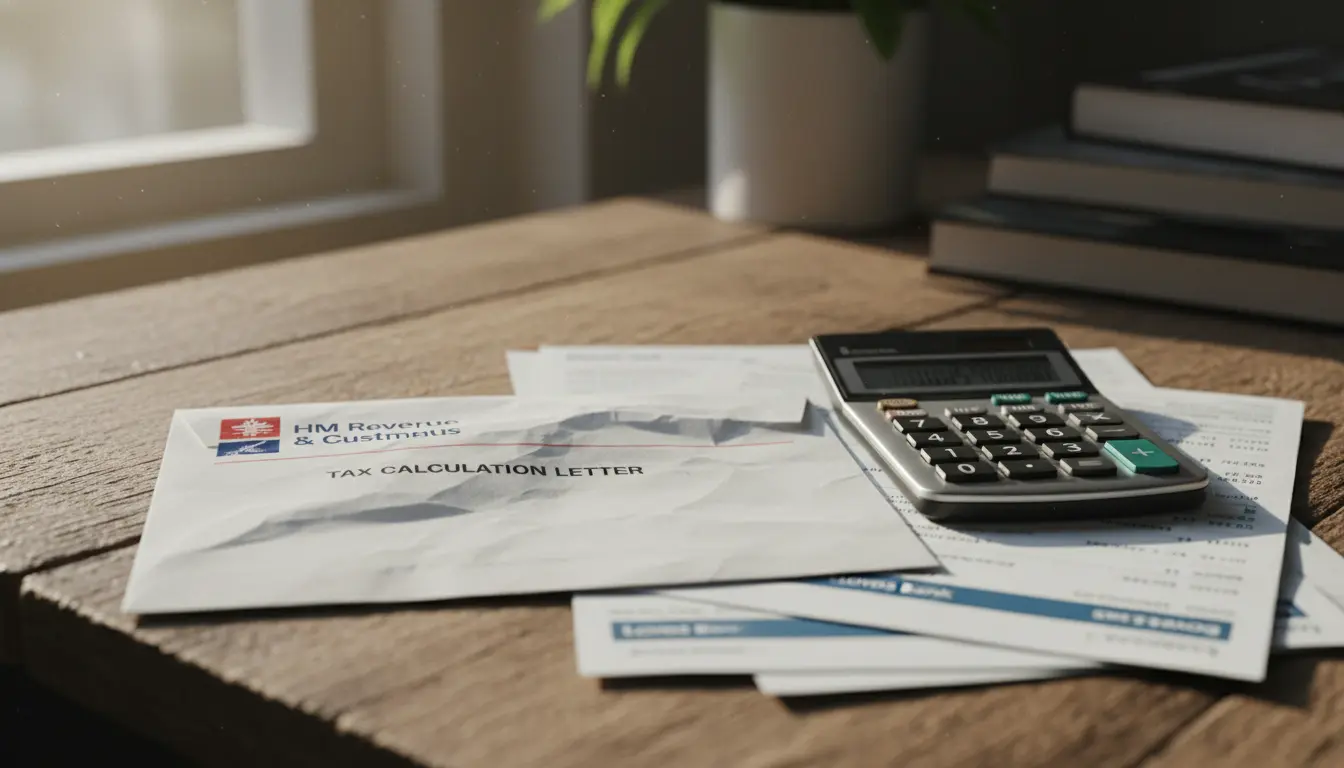
Why HMRC is sending letters about savings above £4,000
HMRC sometimes sends letters when its records show a tax-relevant change in your savings or interest. If your accounts show savings or interest above a certain threshold — such as £4,000 — the department may contact you to check whether tax is due or your allowances are being applied correctly.
These letters are not always immediate tax demands. They often request information, ask you to check figures, or explain why HMRC thinks you may owe tax.
Who might receive an HMRC letter about savings above £4,000?
Typical recipients include savers who:
- Have received more interest than expected in a tax year.
- Hold large balances across several bank or building society accounts.
- Have recently closed or opened accounts that changed reported interest amounts.
What the HMRC letter about savings above £4,000 will say
Letters vary, but common elements include a summary of the data HMRC holds, the tax year involved, and a request to verify or correct details. The letter will usually show the reported interest or balance and suggest next steps.
Read the letter carefully. Look for:
- Dates and tax years referenced.
- Reported interest or balance amounts.
- Deadlines for response.
- Contact details or online actions suggested.
Why the specific threshold matters
HMRC uses thresholds and filters to identify records worth checking. A figure like £4,000 can flag accounts where interest income might push someone beyond their tax-free allowance or indicate reporting mismatches between banks and HMRC.
How to respond to HMRC letters about savings above £4,000
Follow a clear, documented process to respond promptly and correctly. Doing so reduces the risk of unnecessary tax bills or penalties.
Step-by-step response checklist
- Keep the letter. Note any deadline printed on it.
- Compare HMRC figures with your bank statements and annual interest statements.
- Identify whether the interest was paid gross or after tax, and whether you have an ISA or other tax-free wrapper.
- Check your Personal Savings Allowance (PSA): £1,000 for basic-rate taxpayers, £500 for higher-rate taxpayers, and £0 for additional-rate taxpayers.
- If HMRC is incorrect, gather supporting documents and reply explaining the discrepancy.
- If tax is due, follow the letter’s instructions to pay or contact HMRC to set up a payment plan if needed.
Common reasons for differences in reported savings
Discrepancies between HMRC records and your own records can happen for simple reasons. Knowing the common causes helps you respond faster.
- Timing differences: banks report interest at different times than you record it.
- Multiple accounts: interest from several small accounts adds up.
- Incorrect tax coding: your PAYE code may not reflect savings income.
- Tax-free accounts: ISAs and certain bonds are exempt and should not be taxed.
What to do if the letter says you owe tax
If the letter indicates tax is due, check the calculation first. If it looks correct, you can:
- Pay the amount by the date shown to avoid interest and penalties.
- Contact HMRC to ask for a Time to Pay arrangement if you cannot pay in full.
- File a Self Assessment if HMRC instructs you to declare the interest there.
Practical tips to avoid future letters from HMRC
Keeping tidy records and reviewing accounts once a year reduces surprises. Regular checks let you spot rising interest or changes to reporting.
- Keep annual interest statements from all banks and building societies.
- Use online banking to monitor yearly totals.
- Tell HMRC about major changes, such as large transfers or new accounts.
- Consider ISAs for tax-free saving if eligible.
When to get professional help
If calculations are complex, multiple tax years are involved, or you suspect an error that could lead to penalties, consider contacting an accountant or tax adviser. They can check figures, correspond with HMRC, and help set up payment arrangements.
Case study: Real-world example
Mrs S. received a letter saying HMRC recorded £5,000 interest for tax year 2023–24. She had three savings accounts and an ISA. Her bank statements showed total interest of £4,900, with £1,000 held in an ISA.
After comparing documents, Mrs S. discovered one account’s interest was double-counted in the bank’s annual statement. She sent the correction with supporting statements to HMRC and the bank corrected its report. HMRC updated their records and no tax was charged.
Key takeaways about HMRC letters over savings above £4,000
- Letters usually request verification, not immediate payment.
- Compare HMRC figures with your bank statements before responding.
- Know your Personal Savings Allowance and whether accounts are tax-free.
- Respond promptly and keep copies of all correspondence.
- Seek professional help if the situation is complex or multiple years are affected.
Receiving a letter from HMRC can be worrying, but most cases are resolved by checking records and sending supporting documents. Acting promptly and methodically will usually clear up the issue quickly.