
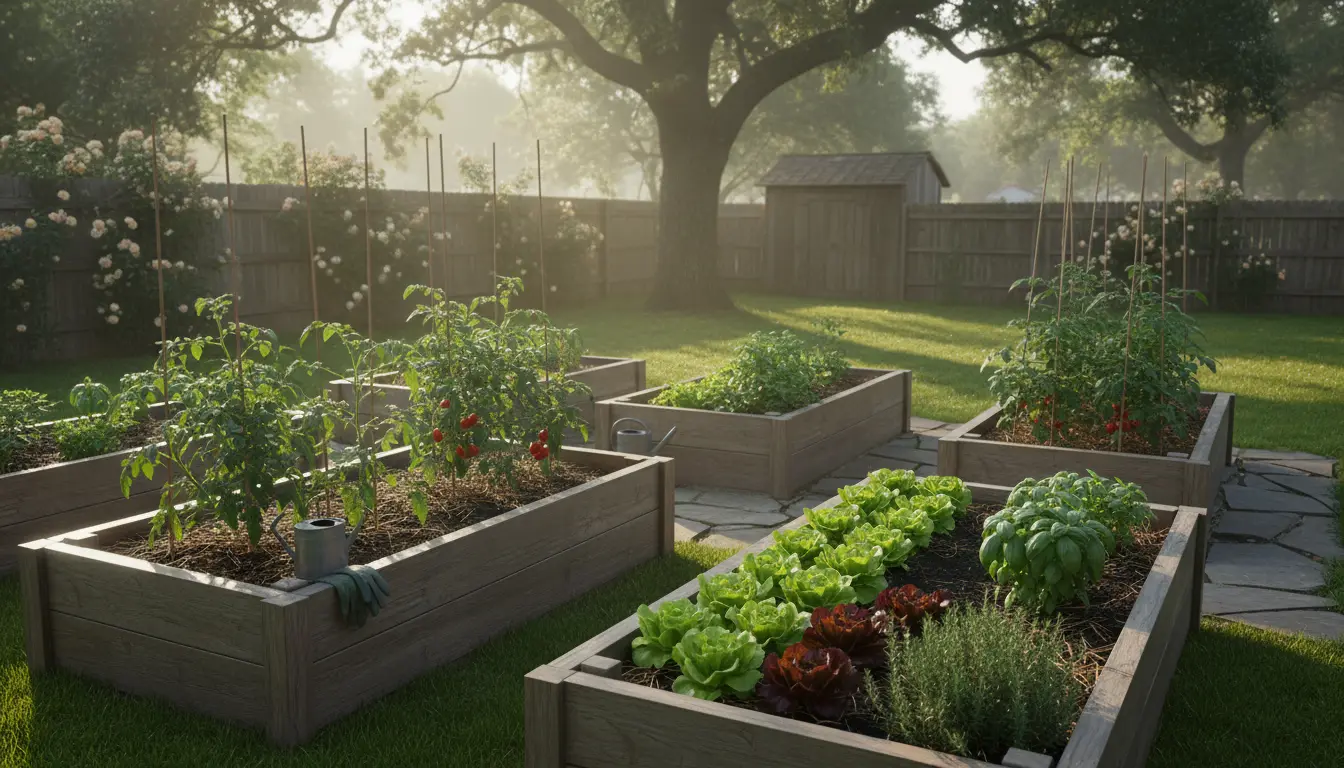
Start Smart With Vegetable Gardening
Vegetable gardening is a practical way to grow fresh food and learn plant care. This guide gives clear, step-by-step advice for beginners to start a productive home garden.
Vegetable Gardening Basics
Before you plant, understand the core needs of most vegetables: sunlight, good soil, consistent water, and space to grow. Planning saves time and reduces mistakes.
Choose the Right Location for Vegetable Gardening
Pick a spot that gets at least six hours of direct sunlight daily. Vegetables need light to produce fruit and strong leaves.
Consider access to water and how close the garden is to your house. Closer locations make daily care easier and improve success.
Soil and Compost for Vegetable Gardening
Healthy soil is the most important factor. Most vegetables thrive in loamy, well-draining soil rich in organic matter.
- Test soil pH if possible; most vegetables prefer pH 6.0–7.0.
- Add compost or well-rotted manure to improve structure and nutrients.
- Consider raised beds if your native soil is poor or compacted.
Planning What to Plant
Choose vegetables suited to your climate and season. Beginners should start with a few easy crops and expand each year.
Best Vegetables for Beginners
- Leafy greens: lettuce, spinach, Swiss chard.
- Root vegetables: radishes, carrots, beets.
- Fruit-bearing: tomatoes, peppers, bush beans.
Start with seedlings for slower-season crops like tomatoes, and direct-sow quick crops like radishes.
Planting Schedule and Spacing
Create a simple calendar based on your last frost date. Plant cool-season crops earlier and warm-season crops after the danger of frost has passed.
Follow seed packet spacing or nursery labels. Crowding leads to poor air circulation and more disease.
Example Planting Plan
- Spring (cool): Lettuce and radishes — direct sow early.
- Late spring: Tomatoes and peppers — transplant after frost.
- Summer: Beans and cucumbers — succession plant for steady harvest.
Watering and Maintenance
Water deeply and less often rather than shallow daily watering. Deep watering encourages strong roots.
- Use drip irrigation or soaker hoses to save water and reduce disease.
- Mulch around plants to retain moisture and suppress weeds.
- Remove spent plants and keep beds tidy to lower pest pressure.
Pest and Disease Management in Vegetable Gardening
Manage pests with a combination of good practices: crop rotation, physical barriers, and monitoring. Avoid relying only on chemicals.
- Inspect plants weekly for signs of insects or disease.
- Use row covers to protect young plants from insects.
- Encourage beneficial insects by planting flowers like marigolds or herbs.
Simple Organic Controls
- Hand-pick large pests like caterpillars.
- Apply neem oil or insecticidal soap for soft-bodied insects.
- Improve airflow and reduce leaf wetness to limit fungal diseases.
Harvesting and Storage
Harvest regularly to encourage more production. Pick vegetables at peak ripeness for best flavor and nutrition.
Store crops appropriately: cool, dry storage for root crops and refrigeration for leafy greens and herbs.
Many common vegetables, like lettuce and beans, can be harvested multiple times in one season if you cut leaves or pods selectively. This practice, called succession harvesting, extends your yield without extra space.
Small Real-World Example: Backyard Raised Bed Case Study
A family in Portland started three 4×4 raised beds in spring. They added 3 inches of compost and planted tomatoes, lettuce, and bush beans.
Results after one season: continuous salad greens for three months, eight tomato plants produced about 40 pounds of fruit, and beans yielded steady pickings for six weeks. The family used simple drip irrigation and a tomato cage for support.
This small setup required about 30 minutes of care twice a week, showing how compact vegetable gardening can fit busy schedules.
Quick Checklist to Start Vegetable Gardening
- Choose a sunny location and decide between in-ground or raised beds.
- Test and improve soil with compost.
- Pick 3–6 easy crops based on your season.
- Plan spacing and a simple watering system.
- Inspect regularly and harvest on time.
Final Tips for New Vegetable Gardeners
Start small and learn each season. Keep notes on planting dates, varieties, and outcomes to improve year to year.
Focus on steady care rather than perfection. Consistent watering, good soil, and timely harvests produce the best results.