
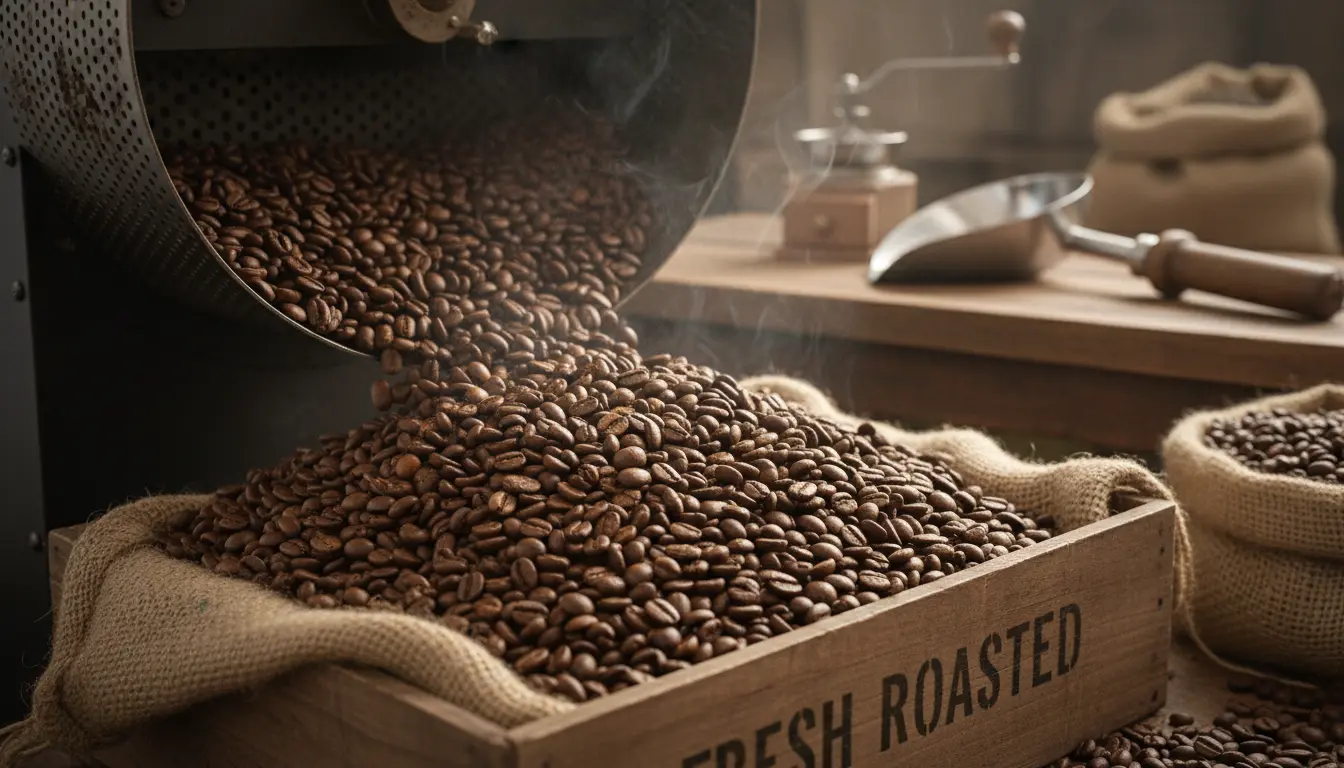
What Is Home Coffee Roasting?
Home coffee roasting is the process of heating green coffee beans to produce roasted beans suitable for brewing. It gives you control over flavor development and freshness.
Roasting transforms chemical compounds in the beans and creates the aromas and flavors coffee drinkers expect. Small-batch roasting at home lets you experiment with roast levels and origins.
Why Try Home Coffee Roasting?

Freshness is the main reason people roast coffee at home; roasted coffee loses peak flavor within days to weeks. Roasting at home also reduces cost per cup over time and allows custom roast profiles.
Home roasting is a learning process that improves your palate and coffee knowledge. It can be simple to start and gradually more precise as you gain experience.
Choosing Equipment for Home Coffee Roasting
Pick a method that matches your budget and patience. Common options include dedicated roasters, popcorn poppers, cast-iron skillets, and oven roasting.

Dedicated roasters cost more but offer consistent results and temperature control. Manual methods require more monitoring but are inexpensive for beginners.
Essential Supplies
- Green coffee beans (start with small amounts, 100–250g)
- A heat source: air roaster, drum roaster, or stovetop
- A reliable timer and thermometer if available
- A cooling tray or metal colander and fan
- A scale and storage containers for rested beans
Step-by-Step Home Coffee Roasting Process
This simplified process works for many methods. Adjust times and temperatures depending on equipment and bean origin.
1. Prepare and Measure
Measure the green beans by weight to keep batches consistent. Preheat your roaster or chosen pan to the recommended starting temperature.
2. Roast and Observe

Start roasting and watch for visual and auditory cues: color shifts, first crack, and second crack. First crack is a key marker indicating light to medium roasts.
Stir or agitate consistently when using pans or popcorn poppers to roast evenly. Adjust heat slightly to control the pace of development.
3. Cool Quickly
Once the desired roast level is reached, cool beans immediately to stop development. Use a fan and a metal colander or the cooling cycle of a roaster.
Cooling fast preserves the roast profile and prevents overdevelopment from residual heat.
4. Rest and Store
Let roasted beans rest (degass) for 12–48 hours before brewing for best flavors. Store in an airtight container away from light and heat.
Record roast data: weight in vs. weight out, time to first crack, total roast time, and notes on aroma and taste.
Troubleshooting Common Problems
If beans roast too quickly on the outside and remain underdeveloped inside, lower the heat and increase agitation. A slow even roast yields more balanced flavors.
Smoky or ashy flavors often mean too high a temperature or burning near the end of the roast. Shorten roast time or reduce heat in future batches.
Tips for Consistent Results
- Keep batch sizes consistent to reproduce results.
- Use the same green bean source and note humidity/ambient temperature.
- Record roast profiles and cup tasting notes after each batch.
Most commercial roasters ship coffee 7–14 days after roasting to let CO2 levels stabilize. Home roasters often get the freshest flavors by brewing 24–72 hours after roast, depending on preference.
Small Case Study: A Beginner’s First Roasts
Sarah, a beginner, started with 200g of Colombian green beans and a small air roaster. She recorded times to first crack and adjusted heat down by 10% after her first roast when the beans tasted slightly bitter.
On the third roast she reached a medium profile with clearer fruit notes and reduced bitterness. Her notes included roast time, bean weight loss, and tasting descriptors, which helped repeat the successful profile.
Basic Roast Profiles to Try
- Light roast: stop shortly after first crack for bright acidity and origin clarity.
- Medium roast: develop sweetness and body while keeping origin flavors.
- Dark roast: roast into second crack for smoky, chocolatey flavors with less acidity.
Final Practical Tips for Home Coffee Roasting
Start small and focus on consistency rather than perfection. Use a notebook or spreadsheet to log each roast’s variables and tasting notes.
Experiment with beans from different origins to learn how roast level affects flavor. Over time you will build profiles that match your preferred cup.
Home coffee roasting is a hands-on hobby that rewards curiosity and careful observation. With basic equipment and consistent logging, you can produce delicious, customized coffee for daily brewing.