
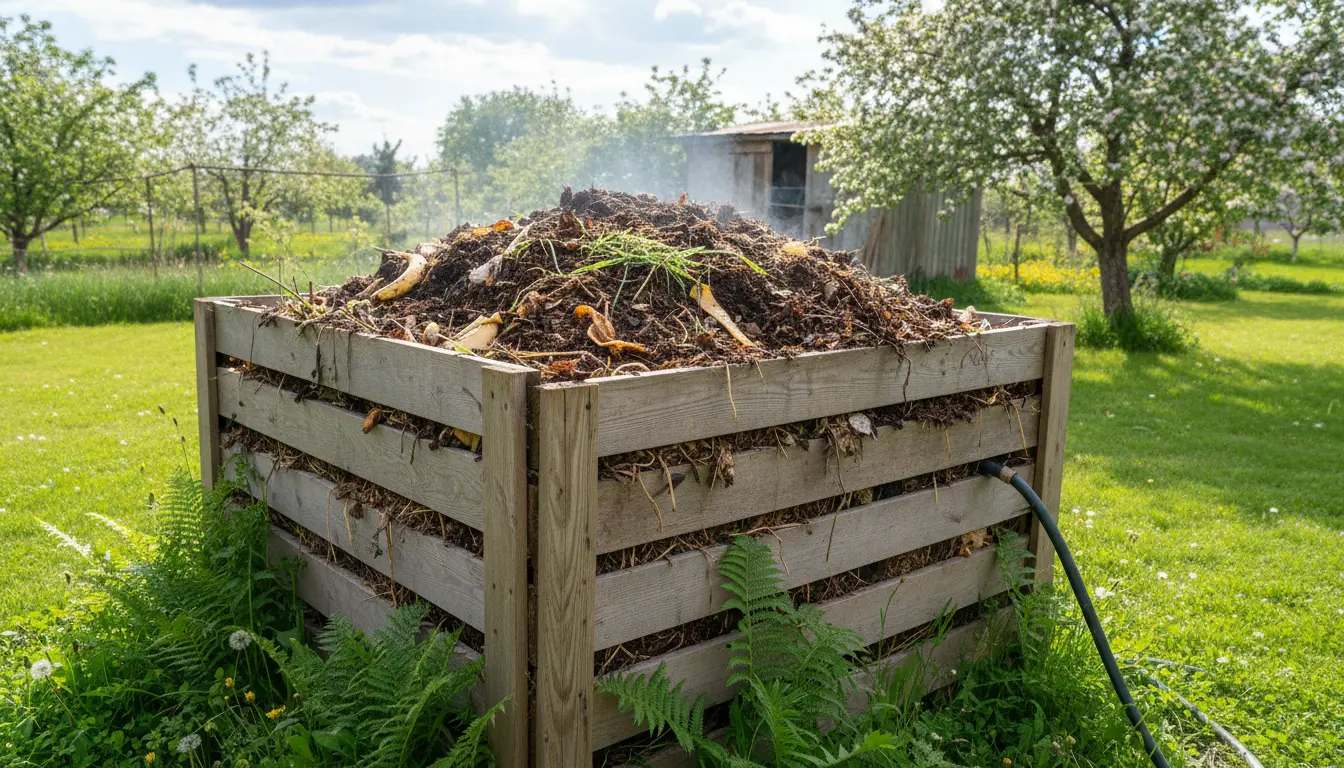
Getting Started with Home Composting for Beginners
Home composting is a low-cost way to turn kitchen scraps and yard waste into rich soil. This guide explains simple, practical steps for beginners so you can start composting today.
Why Home Composting for Beginners Matters
Composting reduces landfill waste and returns nutrients to your soil. For beginners, it also saves money on fertilizer and improves garden health over time.

Even small efforts can cut household organic waste by a significant amount. The process is forgiving and scalable to any household size.
How Home Composting for Beginners Works
Composting relies on microbes to break down organic materials into humus. The key is a balance of carbon rich materials (browns) and nitrogen rich materials (greens).
Good airflow, moisture, and occasional mixing speed up decomposition and prevent odors.
Essential Materials and Tools
- Compost bin or pile: enclosed bin, tumbler, or simple heap.
- Greens: fruit and vegetable scraps, coffee grounds, fresh grass clippings.
- Browns: dried leaves, shredded paper, straw, cardboard.
- Tools: pitchfork or compost turner, garden thermometer (optional), watering can.
Step-by-Step Setup for Home Composting for Beginners

Follow these steps to create a stable compost system that works for your space and schedule.
1. Choose a Location and Bin
Place the bin on well-drained soil in a partly shaded spot. This helps maintain moisture and encourages beneficial organisms.
Beginners can use a simple plastic bin, a wood pallet enclosure, or a commercial tumbler. Choose according to space and budget.
2. Layer Materials Correctly

Start with coarse browns at the base for airflow. Add a 2-3 inch layer of greens, then another layer of browns.
A good rule is roughly 3 parts browns to 1 part greens by volume. Adjust if the pile smells or stays too dry.
3. Maintain Moisture and Airflow
The compost should feel like a wrung-out sponge: moist but not soggy. Add water during dry periods and cover during heavy rain.
Turn or mix the pile every 2–3 weeks to introduce oxygen. Tumblers make turning easier but a simple fork works fine.
4. Know When Compost Is Ready
Finished compost is dark, crumbly, and smells earthy. Depending on conditions, this takes anywhere from 2 months to a year.
Use finished compost as mulch, soil amendment, or potting mix component to boost plant health.
Troubleshooting for Home Composting for Beginners
New composters often encounter a few common issues. These are usually easy to fix with simple adjustments.
- Bad odors: Add more browns and turn the pile to increase airflow.
- Pile too dry: Add water and more greens to reintroduce moisture.
- Slow decomposition: Chop materials into smaller pieces and turn more often.
- Pests: Avoid meat, dairy, and oily foods. Use an enclosed bin or bury food scraps in the center.
Practical Tips and Examples
Start small with a kitchen caddy for scraps and empty it into your outdoor bin weekly. Keep a stash of shredded paper or dry leaves for quick browns.
Use a garden thermometer to monitor progress: active compost often reaches 120–160°F (49–71°C). This indicates rapid decomposition and pathogen reduction.
Composting diverts up to 30% of household waste from landfills and can reduce methane emissions from organic materials. Finished compost can improve soil water retention by up to 20%.
Small Case Study: A Family That Cut Waste by 40%
In 2022 a three-person household in Portland started a 50-gallon tumbler and saved most vegetable scraps, coffee grounds, and yard trimmings. They layered materials and turned the tumbler weekly.
Within six months they reported a 40% reduction in weekly trash volume and used the compost on their vegetable beds. Plant vigor improved and they stopped buying bagged compost entirely.
Uses for Finished Compost
Apply compost as a top dressing around plants, mix into garden beds to improve structure, or blend with potting soil for container gardening.
Compost helps retain moisture, supports beneficial microbes, and gradually releases nutrients to plants.
Checklist for Home Composting for Beginners
- Choose a bin type and location
- Collect kitchen scraps in a covered caddy
- Keep a balance of browns and greens
- Maintain moisture and turn the pile regularly
- Use finished compost in your garden
Final Notes on Home Composting for Beginners
Composting is adaptable: start simple and refine your routine. Small, consistent actions yield rich soil and lower waste over time.
With a few tools and a basic understanding of balance and aeration, any beginner can create productive compost for a healthier garden.