
Why Start a Vegetable Garden
Starting a vegetable garden gives you fresh produce, savings on groceries, and a satisfying hobby. Gardens also improve local biodiversity and can be tailored to small spaces like balconies or patios.
How to Start a Vegetable Garden: Choose the Right Spot
Your garden location determines how well plants will grow. Look for an area that receives at least six hours of direct sunlight a day and has good air circulation.

Avoid low spots that collect water and areas shaded by large trees. If ground space is limited, consider containers or raised beds.
Light and Access
Most vegetables need full sun. Place beds where you can easily reach water and tools. Easy access makes daily care and harvesting faster.
How to Start a Vegetable Garden: Plan What to Grow
Choose vegetables suited to your climate and growing season. Start with easy crops like lettuce, radishes, tomatoes, and beans.

Consider taste, storage needs, and how much space each plant requires. A small family garden can supply fresh salads and a few preserved items through the season.
Crop Selection Tips
- Pick 3–6 varieties you like to eat and that grow well locally.
- Mix fast-growing crops (radishes, lettuces) with longer-season crops (tomatoes, peppers).
- Use succession planting for a steady harvest.
How to Start a Vegetable Garden: Prepare the Soil
Healthy soil is the foundation of a productive garden. Test your soil pH if possible and aim for a neutral to slightly acidic range (6.0–7.0) for most vegetables.
Improve structure and fertility by adding organic matter such as compost or well-rotted manure. This helps retain moisture and feeds plants naturally.
Practical Soil Prep Steps
- Clear weeds and debris from your chosen area.
- Loosen soil to a depth of 8–12 inches for roots to develop.
- Mix in 2–3 inches of compost across the bed and work it in lightly.
How to Start a Vegetable Garden: Planting and Spacing

Follow seed packet or plant tag instructions for depth and spacing. Crowded plants compete for nutrients and light, reducing yields.
Use rows, blocks, or raised beds depending on layout. Blocks often maximize yields in small spaces and make irrigation easier.
Examples of Spacing
- Lettuce: 6–8 inches between plants
- Tomatoes: 18–36 inches between plants
- Beans: 2–4 inches for bush beans, 4–6 inches for pole beans
How to Start a Vegetable Garden: Watering and Mulching
Consistent watering is essential, especially during germination and fruit set. Water deeply and less often to encourage strong root growth.
Apply 2–3 inches of organic mulch to reduce weeds and retain moisture. Mulch also moderates soil temperature through the season.
Watering Tips
- Water early in the morning to reduce evaporation.
- Use drip irrigation or soaker hoses to deliver water to the root zone.
- Check soil moisture by feeling 2–3 inches below the surface.
How to Start a Vegetable Garden: Pest and Disease Management
Integrated pest management (IPM) uses multiple low-impact methods before chemicals. Encourage beneficial insects, rotate crops, and remove diseased plants promptly.
Use row covers for early-season insect control and practice good sanitation to reduce disease pressure. Organic options like neem oil or insecticidal soap work on specific pests.
Small Real-World Example: Suburban Raised Bed Success
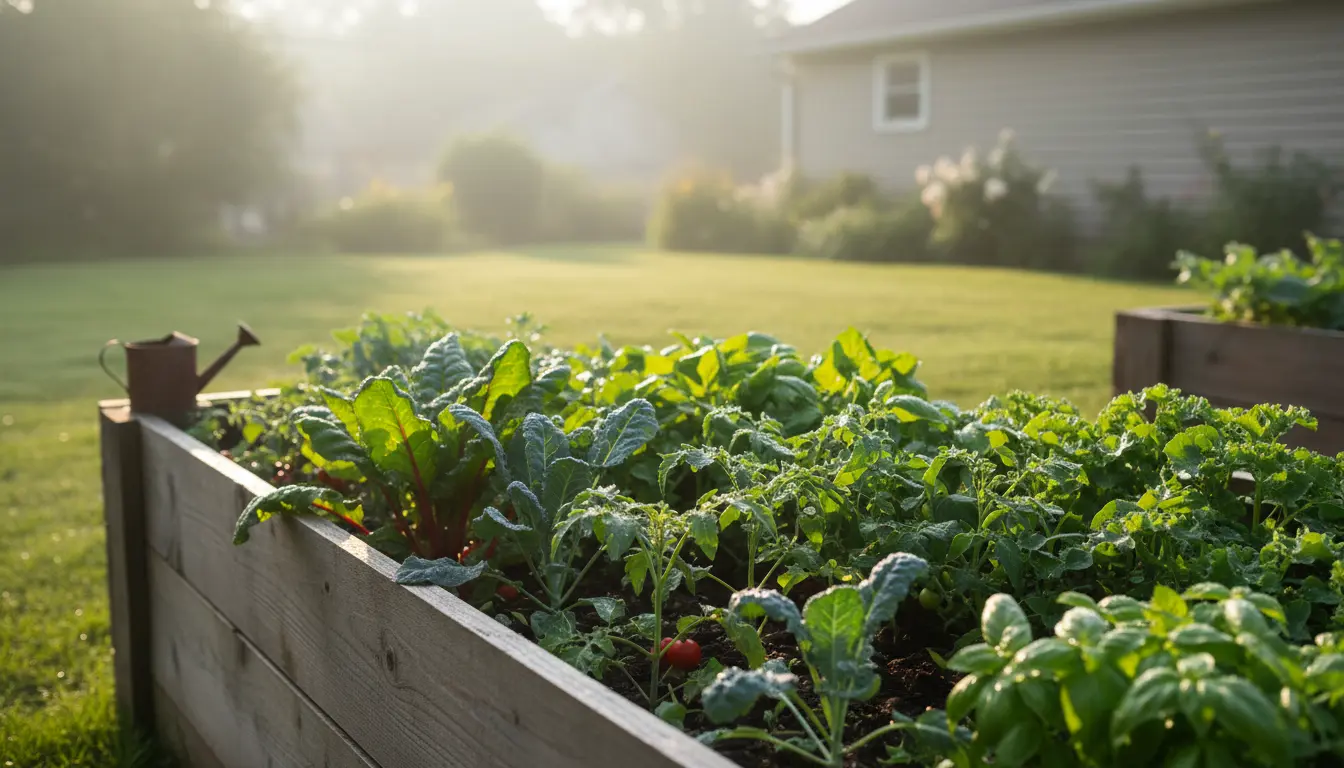
Case study: A homeowner converted two 4×8-foot raised beds into a seasonal vegetable garden. They planted tomatoes, basil, lettuces, and green beans.
With weekly compost additions and a simple drip line, the beds produced enough salad greens for a family of four and several quarts of canned tomatoes over one season. Initial cost was offset by savings within a year.
Bees and other pollinators are attracted to small flowering herbs like borage and dill, which can improve vegetable yields when planted near crops.
How to Start a Vegetable Garden: Seasonal Care and Harvest
Monitor plants weekly for water needs, pests, and nutrient deficiencies. Pinch bolting lettuces and harvest vegetables when peak flavor is reached.
Record planting dates and yield results to improve next season. Simple notes help you learn which varieties performed best in your location.
Harvesting Tips
- Pick tomatoes when they are fully colored and slightly soft.
- Harvest leafy greens early in the morning for best texture.
- Store root crops in a cool, dark place after curing.
Final Thoughts on How to Start a Vegetable Garden
Starting a vegetable garden is practical and achievable with planning and regular care. Focus on soil health, proper spacing, and consistent watering to build a productive plot.
Begin small, learn from each season, and expand as you gain confidence. A thriving garden rewards effort with fresh food and enjoyment all season long.