
Why Learn How to Start a Vegetable Garden
Starting a vegetable garden gives you fresh produce, saves money, and connects you to the seasons. It also gives beginners a tangible way to learn plant care.
This guide breaks down clear, practical steps so you can begin with confidence, whether you have a backyard, balcony, or community plot.
Plan Before You Plant: How to Start a Vegetable Garden

Start with a simple plan to avoid wasted time and money. Decide on location, size, and what you want to grow.
Consider sunlight, water access, and ease of reach when choosing a site.
Choose the Right Location
Most vegetables need 6–8 hours of direct sunlight. Track sun patterns for a few days before choosing a spot.

If full sun is limited, pick leafy greens and herbs that tolerate partial shade.
Decide Garden Type and Size
Select among in-ground beds, raised beds, or containers. Pick a size you can maintain easily.
- Containers: Best for balconies or patios.
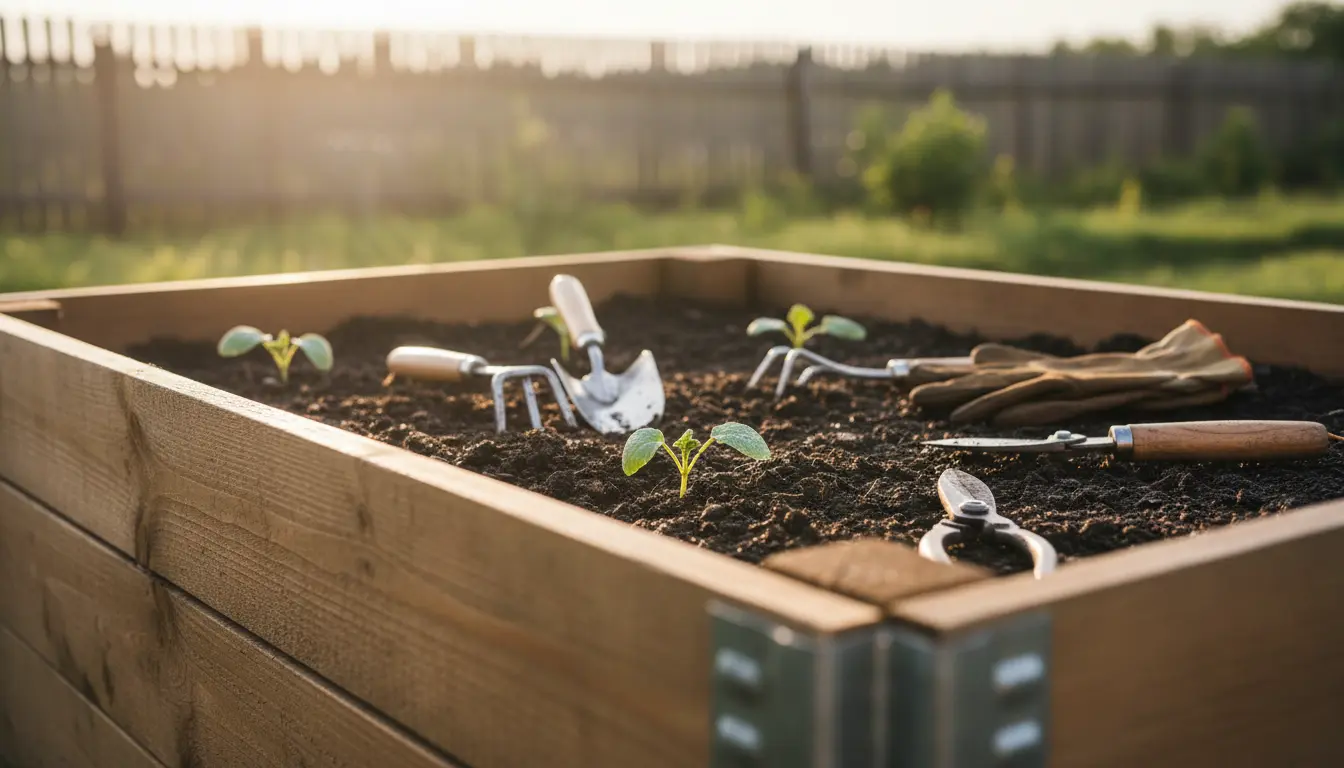
- Raised beds: Good for small yards and better soil control.
- In-ground: Works if soil is healthy and drainage is good.
Soil and Soil Tests for How to Start a Vegetable Garden
Healthy soil is the foundation of a productive garden. Test soil pH and nutrient levels with a home kit or local extension service.

Aim for loamy soil with good drainage and a pH near 6.0–7.0 for most vegetables.
Prepare and Improve Soil
Add organic matter like compost or well-rotted manure to improve structure and fertility. Mix it into the top 6–12 inches of soil.
For raised beds or containers, use a quality planting mix blended with compost for best results.
What to Plant First: How to Start a Vegetable Garden
Choose easy, high-reward crops for your first season. Fast-growing vegetables build confidence and provide quick harvests.
- Leafy greens: Lettuce, spinach, Swiss chard.
- Root crops: Radishes, carrots (short varieties).
- Fruiting plants: Cherry tomatoes, bush beans, peppers.
- Herbs: Basil, parsley, cilantro.
Use a Planting Calendar
Follow local frost dates to time seeds and transplants. Start seeds indoors for longer-season crops if needed.
Group plants by water and sun needs to simplify care and watering schedules.
Planting and Watering Tips
Plant at the depth recommended on seed packets or plant labels. Space plants to allow airflow and reduce disease.
Water deeply and less often to encourage strong roots. Early morning watering reduces evaporation and disease risk.
Mulching and Weed Control
Mulch conserves moisture, regulates soil temperature, and suppresses weeds. Use straw, shredded leaves, or bark mulch.
Pull weeds when small to avoid competition for nutrients and water.
Pest Management and Maintenance
Inspect plants weekly for pests and disease. Early detection makes problems easier to manage.
Use physical controls like row covers or handpicking, and favor biological methods before chemical options.
Fertilizing and Crop Rotation
Apply balanced organic fertilizer if growth is slow. Excess fertilizer can harm plants, so follow package rates.
Rotate crops yearly to reduce disease and nutrient depletion. Avoid planting the same family in the same spot repeatedly.
Companion planting, such as growing basil near tomatoes, can improve flavor and reduce pests naturally. Diverse plantings also attract beneficial insects.
Harvesting and Ongoing Care
Harvest frequently to encourage more production, especially for lettuces and herbs. Pick tomatoes when they are firm and fully colored.
Keep records of planting dates, varieties, and harvest yields to refine your plan next season.
Small Case Study: How One Neighbor Started a Vegetable Garden
Case: Maria, an apartment balcony gardener, converted two 18-inch containers into a productive mini-garden. She chose cherry tomatoes, basil, and leaf lettuce.
She used a quality container mix, added compost monthly, and watered with a simple drip bottle system. By mid-summer she had regular salads and enough herbs to share with neighbors.
Key takeaways: start small, choose the right containers, and focus on consistent watering and fresh compost.
Common Mistakes to Avoid When You Learn How to Start a Vegetable Garden
- Planting too much at once — begin with a few crops and expand naturally.
- Ignoring soil health — good soil reduces many problems.
- Overwatering — this causes root rot and nutrient loss.
- Skipping local advice — check extension services for variety recommendations.
Quick Starter Checklist: How to Start a Vegetable Garden
- Choose a sunny spot with water access.
- Test and amend soil or buy quality mix for containers.
- Select easy crops for your growing zone.
- Plant at correct depths and space appropriately.
- Mulch, water deeply, and inspect plants weekly.
Final Notes on How to Start a Vegetable Garden
Starting a vegetable garden is a practical project with steady improvements over time. Small, consistent actions produce reliable results.
Begin with a clear plan, healthy soil, and a few easy crops. Adjust with each season and enjoy fresh, homegrown food.