
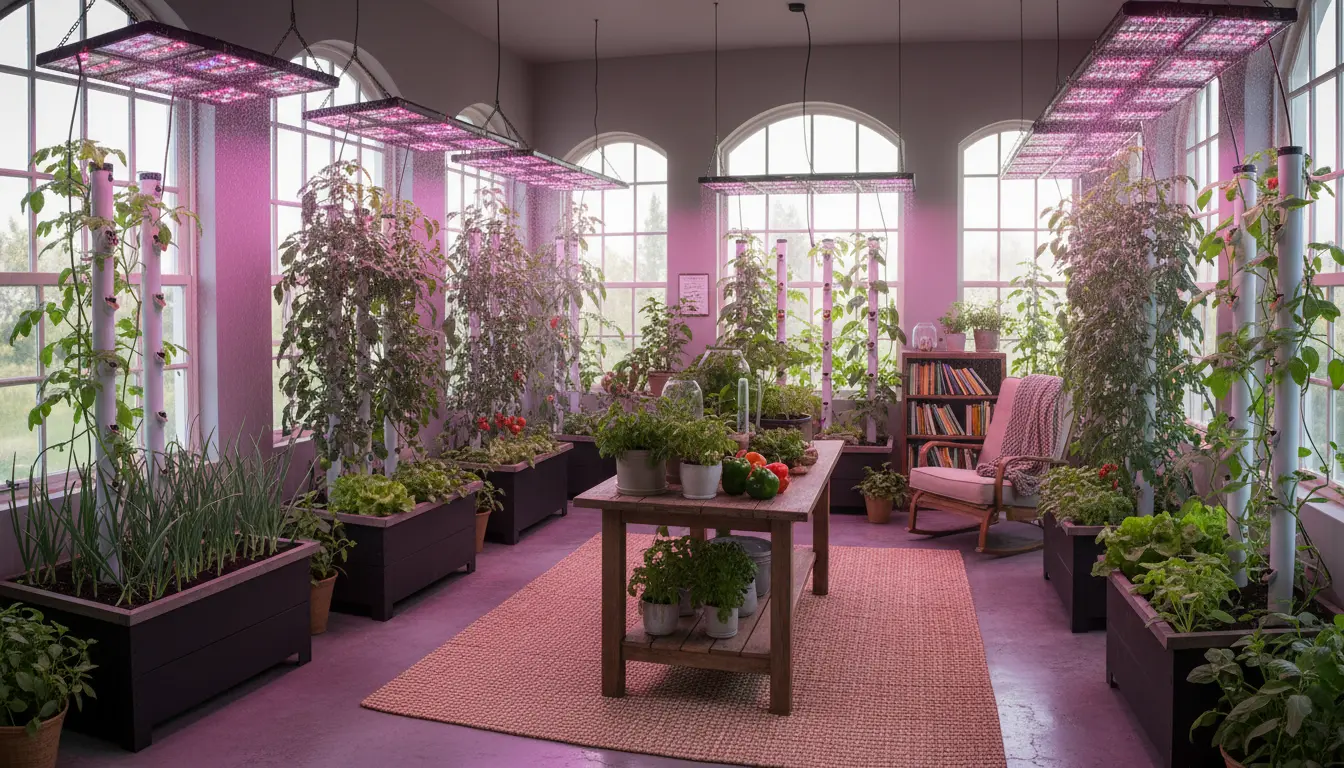
Indoor vegetable gardening gives you fresh produce year-round, even in small spaces. This guide covers the basics so you can start simply and expand as you gain experience.
Benefits of Indoor Vegetable Gardening
Indoor vegetable gardening reduces trips to the store and adds healthy food to your kitchen. It also gives you control over growing conditions like light, water, and soil.

For urban dwellers and busy people, indoor gardening offers reliable yields and protection from outdoor pests and weather extremes.
Why choose indoor vegetable gardening
Choose indoor vegetable gardening when you lack outdoor space or want year-round production. Small investments in containers and lights can yield continuous harvests.
Getting Started with Indoor Vegetable Gardening
Before buying equipment, decide which vegetables fit your light and space. Start with easy crops to build confidence and avoid frustration.
Best vegetables for indoor vegetable gardening
- Lettuce and other salad greens
- Herbs like basil, parsley, and chives
- Cherry tomatoes and dwarf pepper varieties
- Microgreens and sprouts for fast harvests
Essential supplies for indoor vegetable gardening
- Containers with drainage: pots, grow bags, or troughs
- Quality potting mix formulated for containers
- Grow lights if natural light is insufficient
- Small fan for air circulation and a thermometer/hygrometer
Step by Step Setup for Indoor Vegetable Gardening

Follow these steps to create a functional indoor garden that supports healthy growth and steady yields.
1. Pick a location and light source
Place plants near a south- or west-facing window if possible. If natural light is less than 6 hours daily, add LED grow lights positioned 6 to 12 inches above plants.
2. Choose containers and soil
Select containers sized to the crop. Deep pots for tomatoes and peppers, shallow trays for lettuces and herbs. Use a loose, well-draining potting mix with added compost or a balanced slow-release fertilizer.
3. Planting and spacing

Follow seed packet or plant tag spacing to prevent overcrowding. For continuous harvests, use staggered sowing: plant a new tray every 2 to 3 weeks.
4. Watering and feeding
Water when the top inch of soil feels dry. Containers dry faster than garden beds, so check frequently. Feed with a balanced liquid fertilizer every 2 to 4 weeks, or follow slow-release product instructions.
Care and Troubleshooting for Indoor Vegetable Gardening
Regular observation prevents small issues from becoming crop failures. Check plants daily for signs of stress, pests, or nutrient deficiencies.
Pest and disease management
Common indoor pests include aphids, whiteflies, and fungus gnats. Use these practices to reduce problems:
- Inspect new plants before introducing them
- Maintain good air circulation and remove dead leaves
- Use sticky traps or insecticidal soap for small outbreaks
Temperature and humidity tips
Most vegetables prefer 65 to 75°F (18 to 24°C) and moderate humidity. Avoid hot windowsills or cold drafts. A small fan improves airflow and reduces fungal risk.
Some lettuce varieties mature in as little as 30 days, making them ideal for fast indoor harvests and repeated planting cycles.
Harvesting and Storage for Indoor Vegetable Gardening
Harvest regularly to encourage new growth. Leafy greens can be cut outer leaves first, while herbs respond well to regular pinching.
Store harvested produce properly: cool, dry storage for herbs and refrigerated storage for lettuces and most vegetables.
Small case study: Apartment lettuce success
Case study: A renter in a 500 sq ft apartment set up three 6-inch pots under a single 24-inch LED light. By choosing quick-maturing butterhead lettuce and rotating plantings every two weeks, they harvested fresh salad leaves throughout winter.
The small investment in a light and potting mix paid off with continuous fresh greens and reduced grocery trips.
Quick tips and mistakes to avoid with indoor vegetable gardening
- Tip: Start small—master a few crops before expanding.
- Mistake: Overwatering is the most common issue; let soil dry slightly between waterings.
- Tip: Label containers with planting dates to track growth and feeding schedules.
- Mistake: Ignoring light needs; weak stems and pale leaves indicate insufficient light.
Indoor vegetable gardening is a practical way to grow food at home with limited space. With the right crops, containers, and routine care, beginners can enjoy fresh produce year-round.