
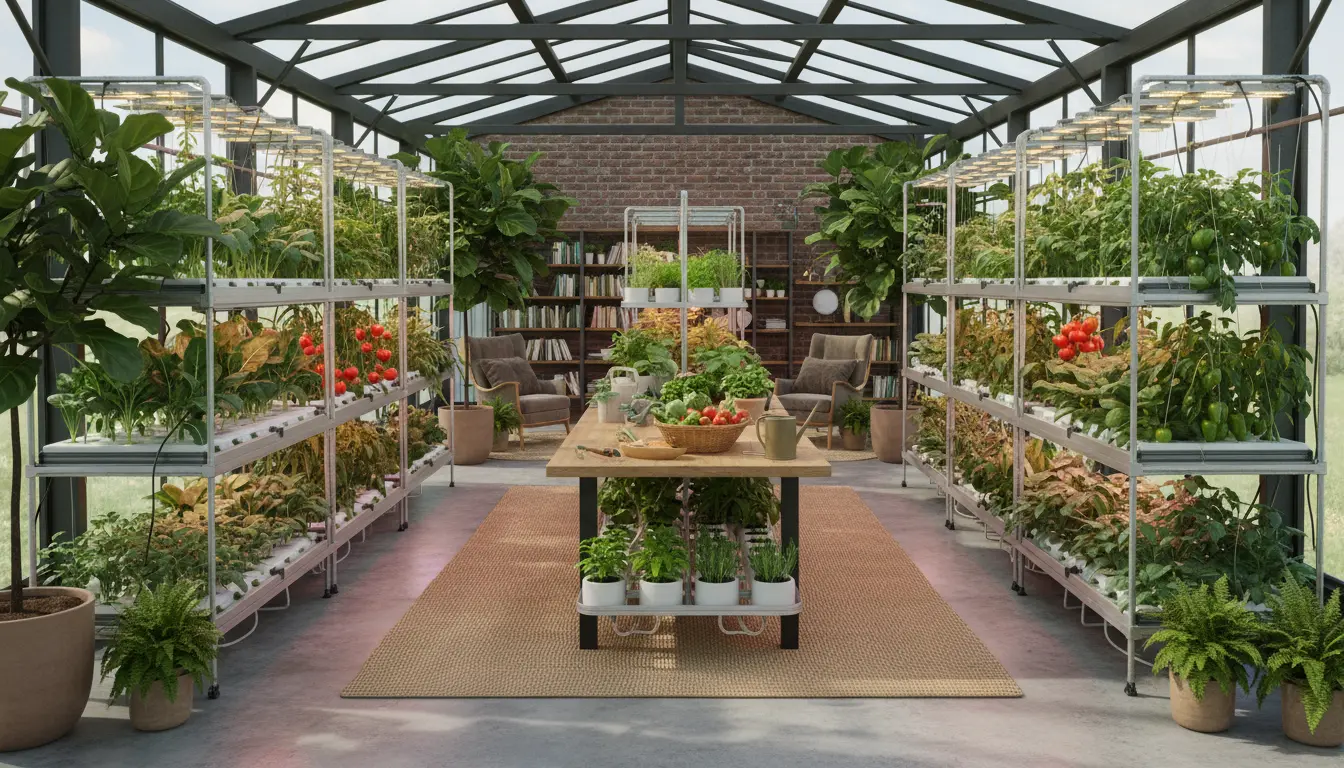
Why Indoor Vegetable Gardening Works
Indoor vegetable gardening lets you grow fresh produce year-round in small spaces. It reduces trips to the store and gives you control over soil, water, and light.
This guide covers fast wins and practical steps so you can get harvests without guesswork.
Getting Started with Indoor Vegetable Gardening

Start by choosing the right location. A sunny south- or west-facing window is best, but a dedicated grow light can replace natural sun.
Decide on the scale: a single windowsill, a shelf with lights, or a small hydroponic system.
Choose Easy Vegetables for Beginners
Start with crops that thrive indoors and show quick results. These build confidence and provide frequent harvests.
- Lettuce and salad greens — fast growing, shallow roots.
- Herbs like basil, parsley, and chives — aromatic and forgiving.
- Radishes — mature in about a month.
- Microgreens — high yield in small trays.
- Cherry tomatoes and peppers — need more light but are possible with LEDs.
Setting Up Light for Indoor Vegetable Gardening

Light is the most important factor. Most vegetables need 12–16 hours of bright light daily.
Use full-spectrum LED grow lights for efficiency and low heat. Position lights 6–12 inches above plants and adjust as they grow.
Natural vs Artificial Light
If you have a bright window, supplement with 4–6 hours of artificial light on cloudy days. Relying only on a small window typically limits crop choices.

Timers simplify lighting: set a schedule and avoid manual switching.
Containers and Soil for Indoor Vegetable Gardening
Choose containers with good drainage and the right depth. Shallow crops need 4–6 inches; tomatoes and peppers need 8–12 inches.
Use a high-quality potting mix designed for containers. Avoid garden soil, which compacts and may bring pests.
Container Options
- Plastic or terracotta pots with drainage holes.
- Self-watering containers to stabilize moisture.
- Tray systems for microgreens and herbs.
Watering and Nutrients
Indoor plants need consistent but not excessive moisture. Water when the top inch of soil feels dry.
Vegetables in containers need regular feeding. Use a balanced liquid fertilizer every 2–4 weeks or follow a slow-release schedule per product instructions.
Common Watering Mistakes
- Overwatering leading to root rot — ensure drainage.
- Underwatering causing wilting — check soil, not only leaves.
- Using cold water — room-temperature water reduces stress.
Managing Pests and Diseases Indoors
Pests still occur indoors: aphids, spider mites, and fungus gnats are most common. Early detection prevents outbreaks.
Use integrated pest management: manual removal, insecticidal soap, and improved airflow before chemical solutions.
Preventive Steps
- Inspect new plants for pests before bringing them inside.
- Keep humidity moderate and provide air movement with a small fan.
- Clean pots and trays regularly to remove algae and debris.
Harvesting and Succession Planting
Harvest frequently to encourage new growth, particularly with leafy greens and herbs. Cut outer leaves first to allow continuous production.
Plan succession planting: sow new seeds every few weeks to maintain a steady supply.
Case Study: Small Apartment Shelf Success
One renter set up a three-tier shelf with two full-spectrum LED strips. They grew lettuce, basil, and cherry tomatoes in 10-inch pots.
Within six weeks they harvested salad greens twice and a handful of tomatoes. Total setup cost was about $120, including lights and pots. Regular weekly watering and biweekly liquid fertilizer produced steady growth.
Practical Tips for Consistent Results
- Keep a simple grow log: plant dates, light hours, and feeding schedule.
- Label containers to track varieties and harvest times.
- Rotate plants under lights for even growth and prevent leaning.
- Start seeds indoors in seed trays to control germination conditions.
Microgreens can contain up to 40 times the nutrients of mature leaves per weight. You can harvest them in 7–14 days from seed.
Troubleshooting Guide
Yellow lower leaves usually indicate overwatering or nutrient deficiency. Adjust watering and add a balanced fertilizer.
Leggy growth means insufficient light. Lower the light source or increase intensity and consider adding more hours.
Next Steps to Scale Your Indoor Vegetable Gardening
Once you have consistent results, try expanding with vertical shelving, automated irrigation, or a small hydroponic kit.
Experiment with new varieties and keep notes on what performs best in your space and microclimate.
Final Checklist Before You Plant
- Confirm your light source and timer are ready.
- Choose appropriate containers and quality potting mix.
- Plan a feeding and watering schedule.
- Start with easy crops and add diversity as you gain confidence.
Indoor vegetable gardening is accessible and rewarding. With the right setup and simple routines, you can enjoy fresh produce from your home year-round.