
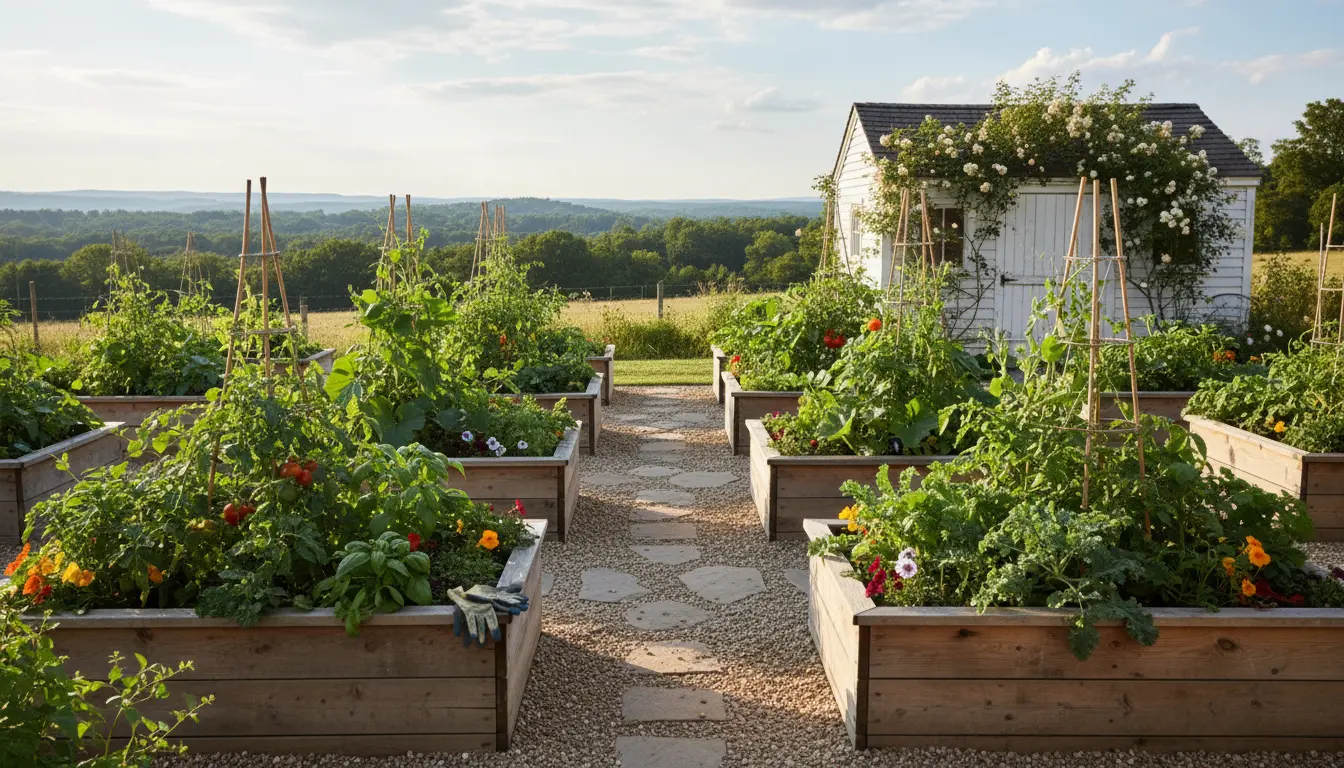
Starting a small vegetable garden is an accessible way to grow fresh produce, save money, and enjoy outdoor time. This guide walks through planning, soil, planting, maintenance, and harvesting for small spaces like balconies, patios, or a compact backyard.
Planning Your Small Vegetable Garden
Good planning reduces mistakes. Begin by assessing available space, sunlight, and your goals for produce and effort.
Choose the Right Location for a Small Vegetable Garden

Most vegetables need 6–8 hours of direct sun. Observe the space through a full day to note sun and shade patterns. If full sun is not available, pick shade-tolerant crops like leafy greens and herbs.
Consider access to water and how you will carry soil or containers into place. Proximity to the kitchen encourages frequent harvesting and reduces waste.
Decide What to Grow in a Small Vegetable Garden
Limit your first season to a few easy crops. Choose plants that match your space and climate. Good starter crops include:
- Leafy greens (lettuce, spinach)
- Herbs (basil, parsley, chives)
- Compact tomatoes or cherry tomatoes
- Radishes and carrots in deep containers
- Bush beans and peppers

Pick varieties labeled “compact,” “bush,” or “container” for smaller spaces.
Prepare Soil and Containers for a Small Vegetable Garden
Healthy soil is the foundation. If you are using raised beds or containers, focus on a well-draining, nutrient-rich mix.
Soil Mix and Amendments
For containers and raised beds, mix equal parts high-quality compost and loam or potting mix with a small amount of coarse sand for drainage. Add slow-release organic fertilizer at planting according to label directions.

Test soil pH if possible; most vegetables prefer pH 6.0–7.0. Adjust with lime or sulfur as needed following package instructions.
Container Options for a Small Vegetable Garden
Use containers that are food-safe and provide adequate root depth. Examples:
- Small pots (6–8 inches) for herbs
- Medium containers (12–16 inches) for peppers and lettuce
- Deep containers (18–24 inches) or grow bags for tomatoes and carrots
- Raised beds for multiple crops and better drainage
Ensure pots have drainage holes and place saucers or trays to protect floors.
Planting and Spacing in a Small Vegetable Garden
Follow seed packet or plant tag spacing, but use succession planting to maximize yield in tight spaces. Sow quick crops early, then follow with another planting where space frees up.
Examples of succession planting:
- Plant radishes in early spring; after harvesting, plant bush beans in the same spot.
- Sow a second round of lettuce 3 weeks after the first to maintain a continuous harvest.
Watering, Feeding, and Maintenance for a Small Vegetable Garden
Consistent care is more important than daily attention. Use a simple schedule and monitor plant health.
Watering Schedule
Most containers dry out faster than ground soil. Water deeply when the top inch of soil feels dry. Early morning watering reduces evaporation and disease risk.
Consider these watering tips:
- Use a drip line or soaker hose to save water and target roots.
- Mulch exposed soil with straw or shredded bark to retain moisture.
- Check moisture daily in hot weather, and adjust frequency rather than volume.
Pest and Disease Management in a Small Vegetable Garden
Start with prevention: keep plants healthy, remove dead leaves, and space for air circulation. Handpick pests, use row covers for early protection, and apply organic controls like neem oil if infestations grow.
Rotate crops each season when possible to reduce disease buildup in soil.
Harvesting and Success Tips for a Small Vegetable Garden
Harvest regularly to encourage continued production. Pick leafy greens before they bolt and harvest tomatoes when fully colored and slightly soft to the touch.
Keep a simple log of planting dates and varieties so you can refine choices next season.
Many common vegetables will continue producing when you pick them frequently. For example, snipping lettuce leaves encourages new growth for weeks rather than removing the whole plant at once.
Real-World Example: A Compact Balcony Garden Case Study
Sarah, a city renter with a 6-foot balcony, started a small vegetable garden in spring. She used three 12-inch containers for mixed lettuce, two 18-inch tubs for cherry tomatoes, and a window box for herbs.
Her steps were simple and effective:
- Chose compact varieties labeled for containers
- Used a store-bought potting mix with added compost
- Watered every other day and mulched the tops
- Staked tomatoes and pruned lightly for airflow
Result: By midsummer she harvested weekly salads, enough basil for pesto, and several batches of tomatoes. The setup cost under $200 and produced noticeable savings on groceries while requiring about 15–20 minutes of care most days.
Quick Checklist to Start Your Small Vegetable Garden
- Assess light and water access
- Choose 3–5 easy crops and compact varieties
- Select containers or a raised bed and prepare soil
- Plant with correct spacing and succession in mind
- Water deeply, mulch, and monitor pests
- Harvest regularly and keep a planting log
Starting small makes success likely. Use these steps to build confidence and expand next season with more crops or larger beds.