
Getting Started with Vegetable Gardening for Beginners
Vegetable gardening is a straightforward, rewarding hobby that anyone can start with a small budget and basic tools. This guide breaks the process into clear steps so you can plan, plant, and maintain a productive garden.
Follow these practical instructions and adapt to your space, whether you have a backyard, balcony, or community plot.
Choose a Site for Vegetable Gardening

Sunlight is the first requirement. Most vegetables need 6 to 8 hours of direct sun daily. Observe potential sites at different times of day to find the best spot.
Also consider access to water and soil drainage. Avoid low spots that stay wet after rain.
Decide on Garden Type
Pick a setup that fits your space and time:
- In-ground bed: Uses existing soil, cheaper but needs soil testing.
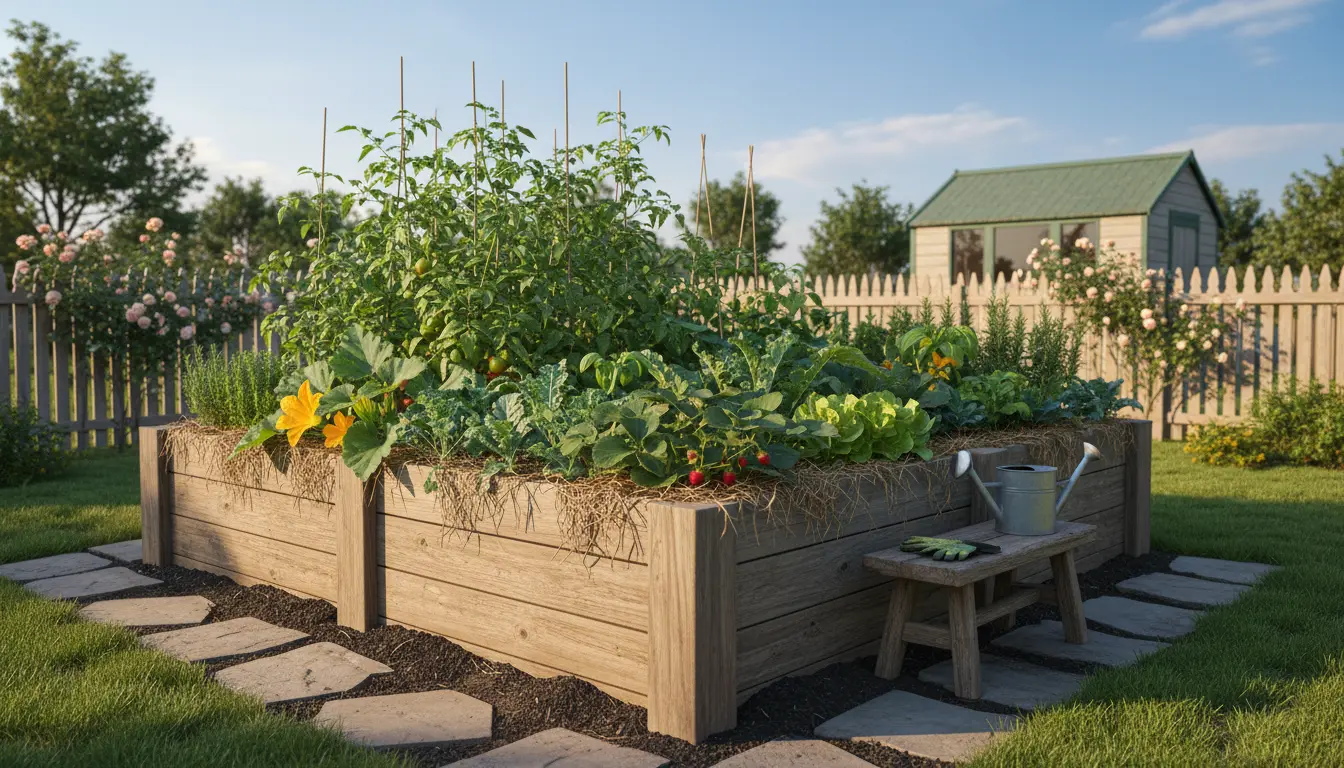
- Raised beds: Better control over soil quality and drainage.
- Containers: Best for balconies and small patios.
Soil Preparation and Compost for Vegetable Gardening

Good soil is the foundation of a successful vegetable garden. Aim for loose, well-draining soil rich in organic matter.
Test and Amend Soil
Buy a basic soil test kit or send a sample to a local extension service. Test results tell you pH and nutrient needs.
Common amendments:
- Compost to add organic matter and improve structure.
- Balanced fertilizer for specific nutrient deficiencies.
- Lime or sulfur to adjust soil pH if needed.
How to Make and Use Compost

Compost improves moisture retention and feeds plants slowly. Mix finished compost into the top 6 to 8 inches of soil before planting.
If you don’t have compost, shredded leaves, well-rotted manure, or a commercial organic mix are good alternatives.
Planting: What to Grow and When
Start with easy-to-grow vegetables that give reliable results. Good beginner choices include lettuce, radishes, spinach, green beans, tomatoes, and zucchini.
Consider Timing
Check your local frost dates and plant accordingly. Cool-season crops (lettuce, peas, spinach) can go in early spring. Warm-season crops (tomatoes, peppers, cucumbers) wait until after the last frost.
Use seed packets or plant tags for spacing and days to maturity.
Companion Planting Basics
Some plants grow well together and can reduce pests. Examples:
- Tomatoes with basil and marigolds.
- Carrots with onions to deter pests.
Watering and Sunlight Management
Consistent watering produces healthier plants and better yields. Aim to keep soil evenly moist but not waterlogged.
Watering Tips
- Water early morning to reduce disease risk.
- Use drip irrigation or soaker hoses to deliver water to roots.
- Mulch to reduce evaporation and suppress weeds.
Monitor plants and adjust frequency based on weather and soil type.
Pest Control and Common Problems in Vegetable Gardening
Pests and diseases are part of gardening. Use prevention first and lower-impact methods when possible.
Nonchemical Controls
- Row covers protect young plants from insects.
- Handpick larger pests like slugs or beetles in the morning.
- Rotate crops yearly to reduce disease build-up.
For persistent issues, select resistant varieties or consult local extension recommendations for targeted treatments.
Maintenance: Pruning, Staking, and Weeding
Simple ongoing care keeps plants productive. Stake or cage tall plants like tomatoes to improve air flow and make harvest easier.
Regular weeding prevents competition for water and nutrients. Remove dead or diseased foliage to slow spread of problems.
Harvesting and Storage
Harvest vegetables when they reach recommended size and flavor. Frequent harvesting often encourages more production, especially for beans and summer squash.
Store or preserve surplus by freezing, canning, or sharing with neighbors.
Companion plants like marigolds can reduce certain nematodes and insect pests, and a single tomato plant can produce 10 to 30 pounds of fruit in a season under good conditions.
Simple Planting Plan for Beginners
Start small to build experience. A single 4×8 raised bed or a set of five 12-inch pots can teach you most skills without overwhelming you.
Example 4×8 plan:
- Row 1: Leafy greens (lettuce, spinach) for cool season.
- Row 2: Root crops (radishes, carrots).
- Row 3: Fruiting crops (tomatoes, peppers) with cages.
- Row 4: Vining crops (beans, cucumbers) on a trellis.
Case Study: Small Backyard Raised Bed
Sarah had a 4×8 raised bed and no prior experience. She filled it with equal parts topsoil, compost, and screened loam. In her first season she planted lettuce, radishes, bush beans, cherry tomatoes, and basil.
By following a simple watering schedule, using mulch, and adding a slow-release organic fertilizer at planting, Sarah harvested lettuce in four weeks and enjoyed steady tomato harvests by late summer. Her yield covered her family’s fresh salads and left extra for neighbors.
Final Tips for Success in Vegetable Gardening for Beginners
- Start small and expand after you gain confidence.
- Keep a notebook with planting dates and results to learn what works in your site.
- Use local resources like extension services for tailored advice.
Vegetable gardening is a learning process. Small, consistent actions—proper site choice, good soil, regular watering, and timely harvesting—lead to success. Try one bed or a few containers this season and build from there.