
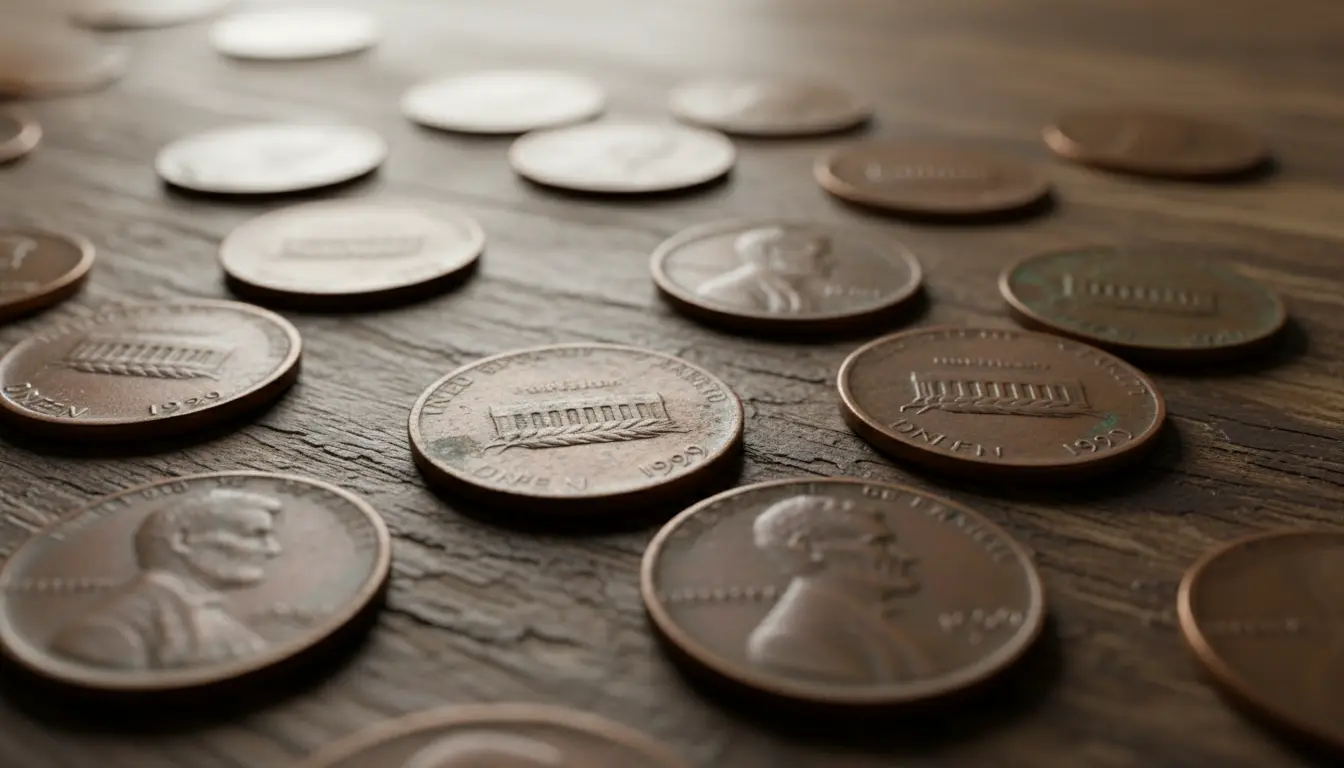
Wheat Penny Value Overview 2026
Wheat pennies, struck from 1909 to 1958, remain a core interest for collectors and new hobbyists. In 2026, values depend on date, mint mark, condition, and error types.
This guide explains current price ranges, key dates to watch, and practical tips for identifying valuable wheat pennies. Use these points when sorting collections or evaluating purchases.
How Wheat Penny Values Are Determined

Three main factors set value: rarity, condition (grade), and demand. Mint errors or unusual toning can increase interest and price beyond standard lists.
Professional grading services add credibility and often increase market price, but raw coins can still sell well at the right grade and for sought-after dates.
Common grading levels to know
- Good (G) and Very Good (VG) for heavily worn coins
- Fine (F) and Very Fine (VF) for moderate wear with details visible
- Extremely Fine (XF) and About Uncirculated (AU) for light wear
- Mint State (MS60-MS70) for uncirculated pieces
Key Wheat Penny Dates and Values 2026
Not every wheat penny is rare. Below are the dates that commonly command higher prices in 2026. Values are approximate and assume average circulated condition unless noted.
- 1909-S VDB: One of the top classic wheat pennies. Even worn examples are valuable.
- 1909-S: High demand, especially in nicer grades.
- 1914-D: Scarcer than many early dates; strong value in XF and above.
- 1922 No D (Philadelphia overstruck or missing mint mark varieties): Valuable when authentically identified.
- 1931-S: Low mintage and sought after by collectors.
- 1955 Double Die Obverse: A famous error variety that can fetch a premium in all grades.

Typical value examples in 2026:
- Common 1940s wheat penny, circulated: worth face to a few dollars.
- 1914-D in Fine condition: often several hundred dollars.
- 1909-S VDB in VF: can reach thousands depending on eye appeal.
- 1955 Double Die Obverse in circulated condition: often hundreds to low thousands.
Mint marks and why they matter
Look for small letters near the date: D for Denver, S for San Francisco, and no letter for Philadelphia. Mint marks indicate production location and can affect rarity and value.
What To Look For When Examining Wheat Penny Value
Inspect these elements to quickly assess potential value. A loupe or magnifier is helpful for spotting details and errors.
- Date readability and strikes: Clear digits and strong design details increase value.
- Mint mark presence and placement: Confirm authenticity; some error coins have unusual mint mark features.
- Surface condition: Scratches, corrosion, and cleaning reduce value; natural toning is usually fine.
- Errors and varieties: Double dies, repunched mint marks, and planchet defects can be valuable.
Common mistakes that reduce value

Aggressive cleaning, chemical treatments, or obvious post-mint damage will lower collector interest. Always handle coins by the edges and avoid cleaning.
The 1909-S VDB was partially credited to a designer initial that was removed from most coins after public criticism. That removal made the original VDB pieces scarcer and more collectible.
Practical Steps to Evaluate and Price a Wheat Penny
Follow a short checklist to determine if a wheat penny deserves further research or grading.
- Clean room: Work in a clean, well-lit area and use a magnifier.
- Read the date and mint mark carefully under magnification.
- Compare to recent auction records for the same date and grade.
- Check for well-known error types like double die or repunched mint marks.
- Decide if third-party grading is worth the cost for high-value finds.
Where to check current prices
Use online auction sites, recent graded auction catalogs, and reputable coin dealer price guides. Local coin shows are also good for quick market checks.
Small Case Study: Finding Value in a Junk Box
Case: A collector bought 10 pounds of mixed copper coins at a local flea market. Sorting at home, they noticed a 1955 wheat penny with an obvious doubled date and letters.
Action: They photographed the coin, compared it to online references for the 1955 Double Die Obverse, and consulted a dealer. The coin was an authentic doubled die in evident circulated condition.
Result: The collector sold the coin via an online auction and received several hundred dollars, far exceeding the original purchase price for the coin lot.
Final Tips for Wheat Penny Buyers and Sellers in 2026
- Always verify rare dates with a magnifier or a second opinion from a dealer.
- Keep coins stored in inert holders to avoid further wear or corrosion.
- Document provenance and photos for higher value pieces before selling.
- Consider grading only for coins that clearly fall into high-value categories.
Following this guide will help you identify wheat pennies with higher value, avoid common pitfalls, and make informed buying or selling decisions in 2026.